

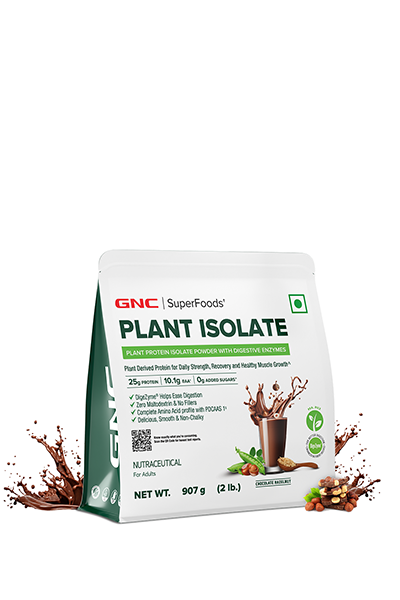
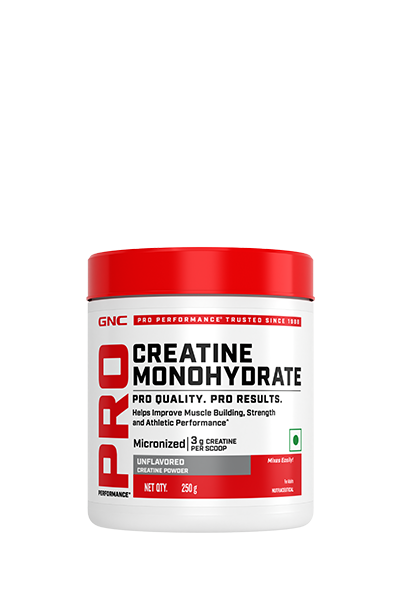











Quick Answer: A first supplement stack in India needs two things at most: protein powder and creatine monohydrate. Protein comes in only if your meals miss about 1.4 to 2.0 g per kg of body weight a day, and 3 to 5 g of creatine daily follows once training is steady. BCAAs, fat burners and testosterone boosters can wait.
You've just joined a gym, and maybe you've survived your first leg day.
Then you scroll past a fitness reel or walk down the supplement aisle, and it looks as though everyone else is running five tubs at once: protein, creatine, BCAAs, a pre-workout and something labelled a "test booster".
Do you really need all of that in month one?
No. Most of it can wait, and some of it may never earn a place.
The research on first stacks turns out to be short and surprisingly settled, so here's a 12-week timeline that follows it, one decision at a time.
Before You Buy Anything: Weeks 0 to 2 Are Training and Meals
The first two weeks need no supplement at all. Resistance training is the signal that tells muscle to adapt, and every product on the shelf can only support that signal, never replace it.
A simple full-body plan three times a week is enough to start, and these strength training exercises for beginners cover the basic movements if you are unsure where to begin.
Alongside the training, write down what you actually eat on a few ordinary days, from the dal and roti to the curd, paneer or eggs.
Why bother with a food log?
Because the next decision depends on a number most people do not know yet.
A tub bought in week one is a guess, while a tub bought in week three is an answer.
Weeks 2 to 6: Add Protein Powder Only If Your Meals Fall Short
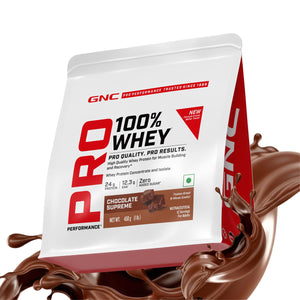
Protein powder earns a place only when your meals leave a real gap. Sports nutrition researchers have a fairly settled number here. In 2017 the International Society of Sports Nutrition (ISSN) set out its protein position stand, which places the daily target for most people who train at 1.4 to 2.0 g of protein per kg of body weight.
The same position stand is clear that whole food can meet this target, and it sees powder as a practical way to close the distance. Useful, not required.
So the maths is personal. At 65 kg, a range of 1.4 to 2.0 g per kg works out to roughly 91 to 130 g of protein a day, which you can hold up against your food log.
The gap has to be real, not assumed
Powder seems to help most while your total intake is still below about 1.6 g per kg. Robert Morton's team at McMaster University tested that idea in a 2018 meta-analysis for the British Journal of Sports Medicine. Across 49 trials and 1,863 people, they found protein supplementation added strength and lean mass during resistance training.
The same analysis found the extra gain in lean mass levelled off once total intake reached about 1.62 g per kg a day.
And past that point? No further gain in lean mass.
Vegetarian plates can land short of the target without anyone noticing, which is exactly why the food log comes before the tub. Wondering whether creatine or whey should come first? That is a question of its own, and the short answer is whichever one closes a gap you have actually measured.
After Week 6: Add Creatine Monohydrate
Creatine monohydrate is the add-on with its own ISSN position stand for high-intensity training. The ISSN's 2017 creatine position stand (Kreider et al.) reported that supplementation raises muscle creatine and phosphocreatine stores by 20 to 40%.
Phosphocreatine is the quick fuel behind short, hard efforts. Think of the last two reps of a set.
The same review found creatine safe and well tolerated in healthy people over both short and long periods.
Why wait until week six, then? Because creatine rewards steady daily use, and a routine that is already six weeks old is one you are likely to keep.
Loading is optional
A loading phase is not necessary for a beginner. The Kreider review describes two routes: about 0.3 g per kg a day for five to seven days followed by 3 to 5 g daily, or simply 3 to 5 g daily from the start.
The second route fills muscle stores over three to four weeks instead of one, and for most people it is the easier habit to keep.
There is an Indian angle here too. The same review charts lower muscle creatine in vegetarians than in people who eat meat, since meat and fish are the main food sources, so a vegetarian lifter starts from a lower baseline.
If you have a medical condition, particularly one involving the kidneys, are pregnant, or take medicine every day, consult a doctor first.
What Can Wait, and Why?
Most of the rest of the shelf can wait, because the basics come first and some products do a different job. The ISSN's 2018 sports nutrition review update (Kerksick et al.) sorts supplements into three tiers, and puts protein and creatine monohydrate in the top one: strong evidence and apparently safe.
Here is where the usual extras land for someone in their first three months:
- BCAAs. They're three of the nine essential amino acids, and a complete protein already carries all nine, so they can wait while you build the basics.
- Testosterone boosters. These are marketed for hormones, not muscle-building basics, so they have no place in a first three months.
- Fat burners. These serve a different goal entirely, and early fat loss comes from training and food.
- Pre-workout. This is a session tool rather than a daily nutrient, and it makes more sense once workouts are longer and heavier.
BCAAs and a complete protein
BCAAs are three of the nine essential amino acids, and muscle needs all nine to build new protein. A complete protein, from food or a scoop, already brings all nine, which is why BCAAs can sit out the first few months.
If your protein target is already met through food or a scoop, the other six are already there.
Vitamin D and omega-3 need a reason first
Vitamin D and omega-3 belong in a first stack only when a test or your diet points there. A blood test showing low vitamin D is a reason, and so is a diet with no fish at all when it comes to omega-3.
A new gym membership, on its own, isn't.
If a test does come back low, your doctor sets the dose, not a label.
Why the Supplement Aisle Makes This Look Complicated
Shelves are organised around products, while the research is organised around gaps. A five-tub starter bundle looks like a plan, but in practice it is five guesses bought on the same day.
Starting everything at once hides a practical problem as well, because you can't tell what's working, what's upsetting your stomach or what you've quietly stopped taking.
One addition at a time gives you a clean read. Simple.
Whatever you buy, you can confirm a pack is genuine on the product verification page before you open it.
Week 12: How Do You Know It's Working?
A stack is working when three things hold: you have trained consistently, you are hitting your protein target most days, and your working weights are going up. A simple logbook of sets, reps and load is the only tracking this needs.
If your lifts are climbing and you have not missed sessions, the stack is doing its job.
If they're flat, look at sleep, food and the training plan before blaming a tub.
Putting It Into Practice With GNC Whey Lite and Creatine + Electrolytes
Here is how the timeline looks with two real products, one for each decision.
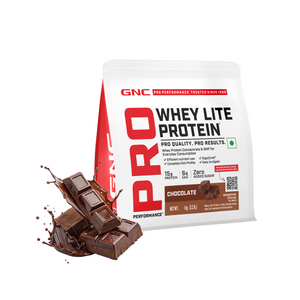
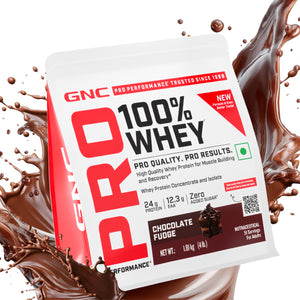
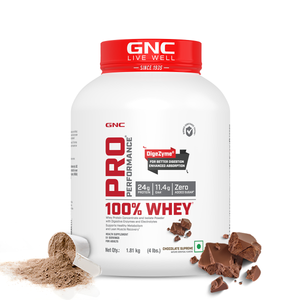
For the protein step, GNC Pro Performance Whey Lite 15gm Protein is built for first-time protein users and everyday routines. Its protein blend is skimmed milk powder and whey protein concentrate, with DigeZyme added for digestive comfort.
At 15g of protein a scoop, Whey Lite is sized for a modest gap, the kind a two-week food log tends to reveal. One scoop mixes with 200-250 ml of water for a lighter drink, or milk for a creamier one.
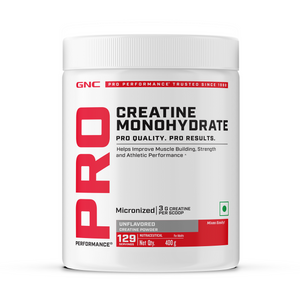
For the creatine step, Creatine + Electrolytes gives 3g of creatine monohydrate a scoop, which sits at the low end of the 3 to 5 g daily range the ISSN stand describes, so no loading phase is needed. Take it once daily, preferably after your workout.
The whey protein range and the creatine range carry other formats for later.
The Bottom Line
A first stack isn't a shopping list. It's a sequence.
Train and eat first, then measure your protein against 1.4 to 2.0 g per kg and add powder only if there's a real gap. Creatine comes in once the habit is steady, and everything else waits until you have a reason, whether that's a test result or a goal your training has genuinely reached.
Short stacks get finished. That's the whole point.
Frequently Asked Questions
Do vegetarians in India need a different first stack?
The sequence stays the same, but the gaps are usually larger. Vegetarian meals can fall short on protein, and muscle creatine tends to start lower because meat and fish are its main food sources. Both steps are more likely to earn a place, once the food log confirms it.
Is creatine safe for someone new to the gym?
For healthy adults, the ISSN's 2017 position stand found creatine safe and well tolerated over short and long periods. Stick to 3 to 5 g a day and drink enough water. Anyone with a kidney condition, anyone pregnant, or anyone on medication should speak to a doctor first.
Do you need to cycle off creatine every few weeks?
No, cycling isn't required. A daily 3 to 5 g routine is meant to keep muscle stores topped up. The ISSN's creatine review notes stores take 4 to 6 weeks to return to baseline after stopping, and found no evidence they fall below it, so a break is a personal choice.
Should a beginner add a multivitamin as well?
Only if a gap in your diet or a blood test suggests it. A multivitamin is not a training supplement and it does not replace meals. If your plate is varied and a test comes back normal, it can wait along with everything else on the shelf.
When does a pre-workout start to make sense?
Usually a few months in, once sessions are longer, heavier and regular. A pre-workout is built around the workout itself, often with caffeine, so count what you already get from tea and coffee first. It never stands in for sleep, food or a consistent plan.