











Quick Answer: Most supplements work well together; the ones that compete are calcium with iron, and high doses of zinc, magnesium and calcium. Protein and creatine pair fine, vitamin D and omega-3 absorb better with a meal containing fat, and caffeine adds up across products. In one 1991 trial, 300 mg of calcium roughly halved iron absorption.
You've lined up the tubs and bottles on the kitchen shelf. Protein, creatine, a multivitamin, fish oil, maybe a calcium tablet someone at home swore by.
Do they all go down together with breakfast?
Mostly, yes.
But a few of them quietly get in each other's way, and one ingredient hides in more products than you'd guess.
Here's what pairs well, what competes, and how to space a stack across an ordinary Indian day, from the morning chai to a late dinner of dal and roti.
Whey and creatine are an easy pair
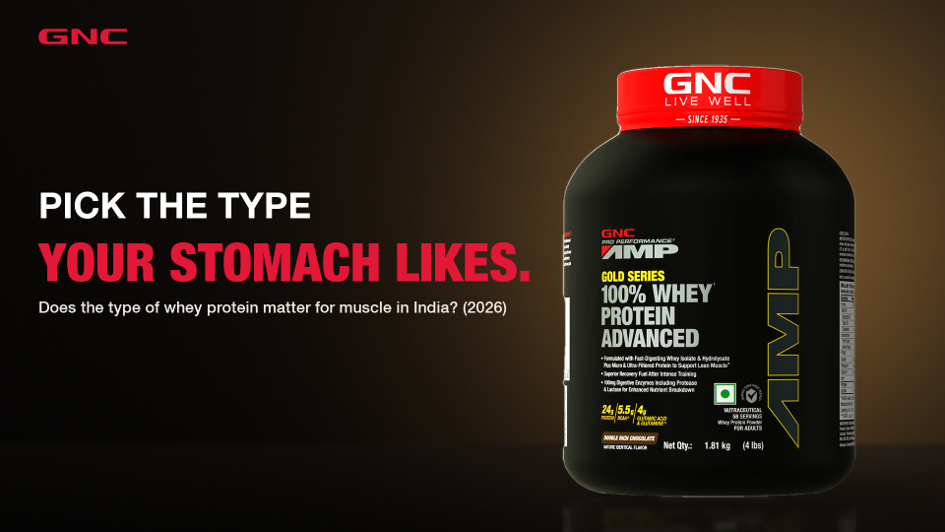
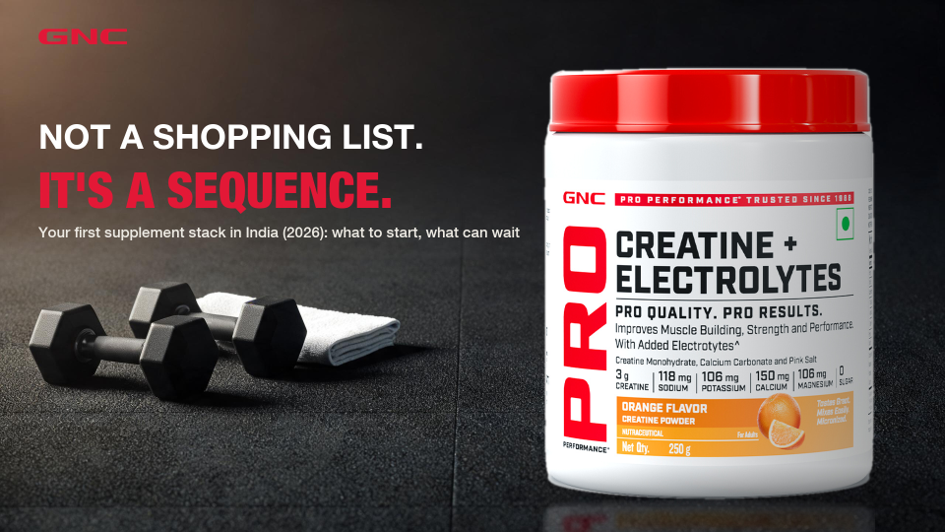
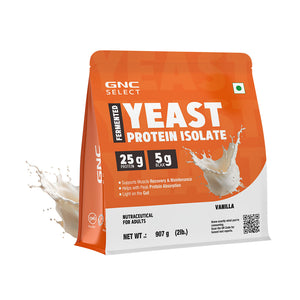
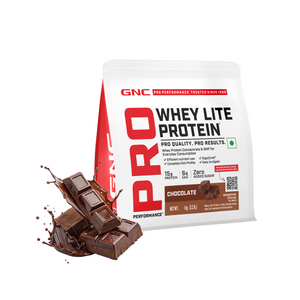
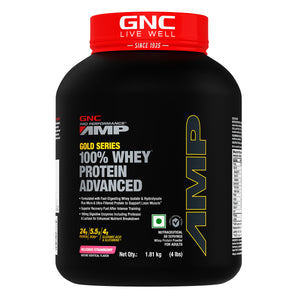
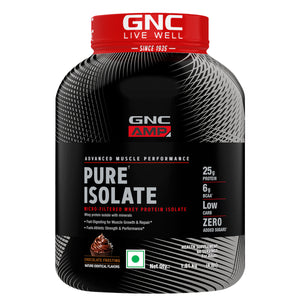
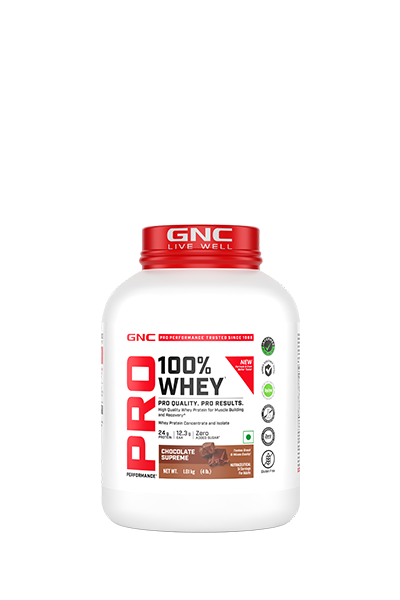
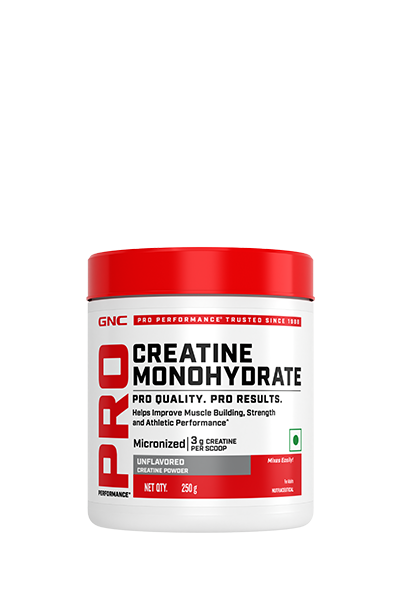
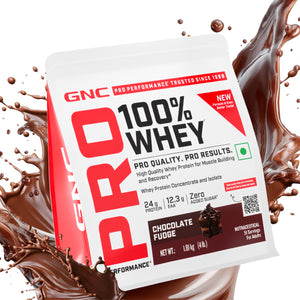
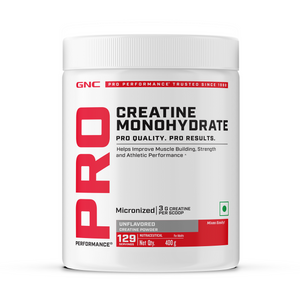
Protein and creatine work fine together. There's no known absorption conflict between them, so a scoop of creatine can go straight into your whey shake.
Creatine isn't a caffeine hit. It works by slowly topping up the creatine stored in your muscles through steady daily intake, so "every day" matters far more than "when".
Taking it with food may even help a little. The International Society of Sports Nutrition reviewed this in its 2017 position stand on creatine (Kreider et al., Journal of the International Society of Sports Nutrition). Creatine taken with carbohydrate, or carbohydrate plus protein, has been reported to raise how much the muscles retain.
That's why combining whey protein and creatine is one of the most common first pairings.
Your multivitamin and fish oil want the same meal
Vitamins A, D, E and K and omega-3 fats are fat-soluble, so they absorb better alongside food that contains fat. A tablet swallowed with black tea on an empty stomach gives them very little to travel with.
What the trials found
A 2015 randomised trial in the Journal of the Academy of Nutrition and Dietetics (Dawson-Hughes et al.) gave 50 older adults the same vitamin D3 dose with different breakfasts. The peak blood level was 32% higher with a fat-containing meal than with a fat-free one.
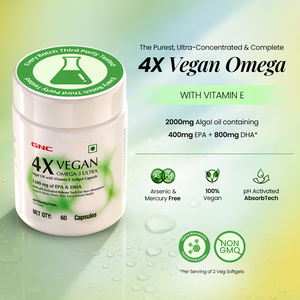
Fish oil follows the same logic. A 1988 study in Biochemical and Biophysical Research Communications (Lawson and Hughes) gave fish oil with a 44 g fat meal. EPA absorption from triglyceride fish oil reached 90%, against 69% reported earlier with an 8 g fat meal, and absorption from the ethyl-ester form roughly tripled.
Everyday fats count
Dal with a spoon of ghee, curd, paneer, eggs or a handful of nuts all bring some fat to the plate.
For many of you, lunch or dinner carries more fat than breakfast. That's the easier slot.
Calcium and iron don't share a plate well
Calcium is the classic rival of iron. Taken at the same meal, it lowers how much iron your gut takes in, and that includes calcium from milk and cheese, not just tablets.
The key evidence is a 1991 study of 126 people in the American Journal of Clinical Nutrition (Hallberg et al.). The effect rose with the dose up to 300 mg of calcium, and 300-600 mg reduced iron absorption by 50-60%. Even 165 mg from milk or cheese did much the same.
One meal isn't your whole iron status
Does that mean your iron levels will drop? Not necessarily.
A 2010 review in the International Journal for Vitamin and Nutrition Research noted that studies where people took more calcium for months showed no change in iron status. The body may adapt over time.
If you take a separate iron supplement, keep it away from your calcium tablet and your glass of milk. That matters more on a vegetarian Indian plate, where most iron comes from dal, rajma and leafy greens, a form the body absorbs less readily than iron from meat.
High-dose minerals crowd each other out
At high doses, some minerals get in each other's way, and zinc is the clearest example. At food-level amounts this rarely matters. It shows up when big doses of several minerals land in your gut at once.
Zinc and magnesium show it well. A 1994 study in the Journal of the American College of Nutrition (Spencer et al.) gave adult men 142 mg of zinc a day and found it significantly reduced magnesium absorption and magnesium balance.
That's a huge zinc intake. Few people take that much from one product, but zinc creeps up when several products each carry some.
- A multivitamin with zinc
- A separate zinc tablet for immunity season
- A night-time zinc and magnesium product
- A calcium tablet with its own added minerals
Each label looks reasonable. Together, the same mineral turns up three or four times.
How much caffeine is really in your stack?
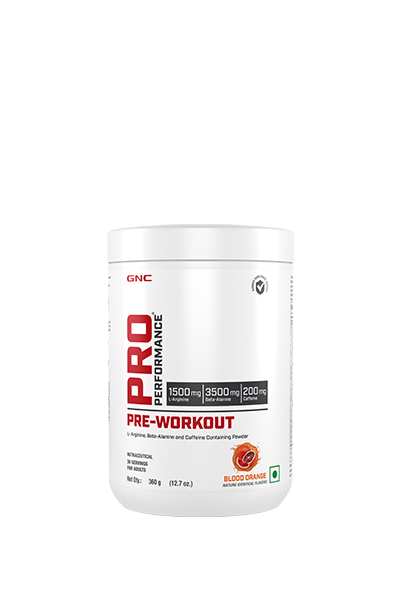
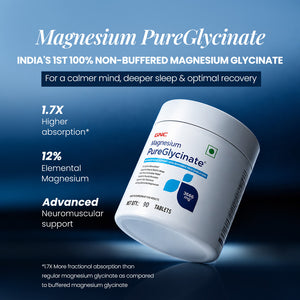
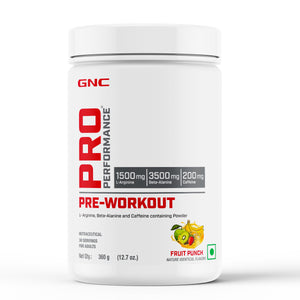
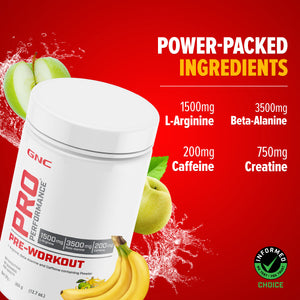
Caffeine is the ingredient most often doubled up without anyone noticing. It sits in pre-workout, coffee, chai, cola and energy drinks, and your body counts all of it the same way.
The International Society of Sports Nutrition's 2021 position stand on caffeine (Guest et al., Journal of the International Society of Sports Nutrition) found performance benefits at 3-6 mg per kg of body weight. Very high doses, around three times the low end of that range, came with a high rate of side effects and weren't needed for the benefit.
For a 70 kg adult, that works out to roughly 210-420 mg.
Adding up a normal day
A pre-workout scoop, two cups of coffee and an evening chai can add up faster than you'd think. The European Food Safety Authority's 2015 opinion says up to 400 mg a day, and up to 200 mg at a time, raises no safety concerns for healthy adults who aren't pregnant. That's a ceiling, not a target.
Myth: more products means better results
More supplements don't add up to more results. Once a need is met, extra doses of the same nutrient simply overlap, and some nutrients have upper limits that stacking can quietly cross.
ICMR-NIN's 2020 nutrient requirements for Indians also set tolerable upper limits of intake, a ceiling that adding up several products can push you towards.
So what's the smarter approach?
Start from what your food already covers, then fill the specific gap. Three well-chosen products taken consistently usually beat eight taken whenever you remember. If you take medicines, are pregnant or have a medical condition, consult a doctor before adding anything.
Space your stack across an ordinary day
Most stacks need only three habits: fat-soluble nutrients with a real meal, calcium away from iron, and one caffeine total you actually count. The rest is about what you'll remember.
Four rules that cover most stacks
- Pair by meal, not by clock. Omega-3, vitamin D and a multivitamin go with your fattiest meal.
- Split the rivals. Keep calcium and iron supplements at different meals.
- Don't stack the same mineral. Read every label for zinc, magnesium and calcium.
- Total your caffeine. Count the pre-workout, the coffee and the chai together.
The day at a glance
How a goal-built GNC combo pairs its products
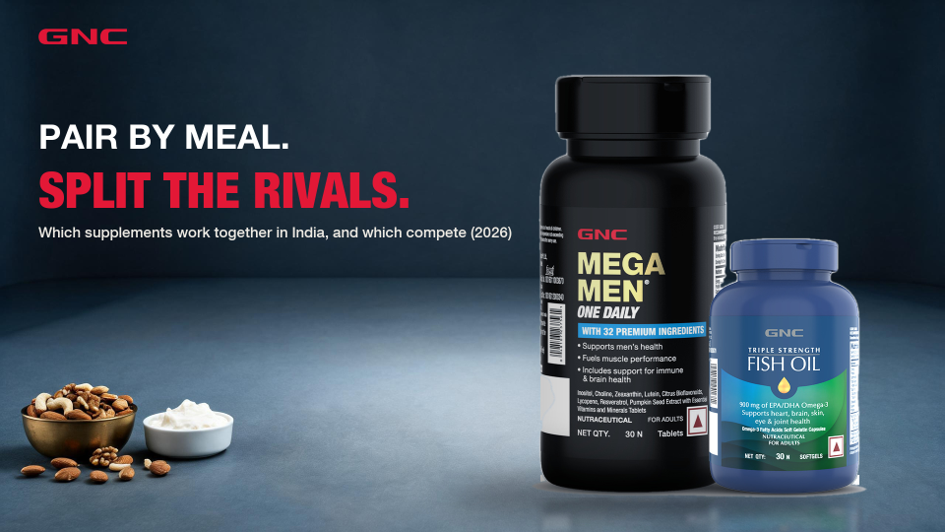
A well-built combo applies the same logic, pairing products that want the same conditions. GNC Mega Men One Daily Multivitamin + Triple Strength Fish Oil is a clean example.
Two products, one meal
Both halves belong to the "same meal" group. The Mega Men One Daily Multivitamin carries 32 essential nutrients in one tablet, taken once a day with your meal.
GNC Triple Strength Fish Oil gives 900mg of EPA and DHA per softgel, and its directions say one softgel a day, preferably with your meal. So both go down together at lunch or dinner, next to the fat that helps them absorb.
Matched counts, nothing competing
The combo comes in matched counts (30/30 or 60/60 units), so both packs run out on the same day.
Notice what it leaves out. No separate iron or calcium tablet at that meal, and no caffeine to count.
To compare strengths first, the fish oil range sets the options side by side. Each pack carries its own code for the GNC verification page.
The Bottom Line
A good stack isn't the one with the most tubs. It's the one where nothing gets in anything else's way.
Protein and creatine can share a shake. Fish oil, vitamin D and a multivitamin want a meal with some fat. Calcium and iron belong at different meals, big mineral doses compete, and caffeine counts from every source at once.
Get those few pairings right and the timing mostly takes care of itself.
Frequently Asked Questions
Can you take all your supplements at once in the morning?
Mostly, yes, with two exceptions. Keep a calcium supplement away from an iron supplement, and move fat-soluble ones like fish oil, vitamin D and a multivitamin to a meal with some fat. If breakfast is just tea and a biscuit, lunch or dinner suits those better.
Can you take zinc and magnesium together?
At ordinary supplement doses, zinc and magnesium often sit together in one product. The competition shows up at high zinc intakes: a 1994 study found 142 mg of zinc a day reduced magnesium absorption. Check that you aren't getting zinc from several products at once.
How far apart should calcium and iron be taken?
Take them at different meals rather than the same one. The 1991 study that found a 50-60% drop in iron absorption tested calcium given with the meal itself, so moving one supplement to another meal of the day avoids that head-to-head clash.
Does creatine need a protein shake to work?
No. Creatine works through steady daily intake that tops up muscle stores, with or without protein. Taking it with carbohydrate, or carbohydrate and protein, has been reported to help muscles retain a little more, which is a small bonus rather than a requirement.
Is fish oil fine with a multivitamin?
Yes. Fish oil and a multivitamin don't compete, and both do better with a meal that contains some fat, so many people take them together at lunch or dinner. Anyone on blood-thinning medicines should ask a doctor before starting fish oil.