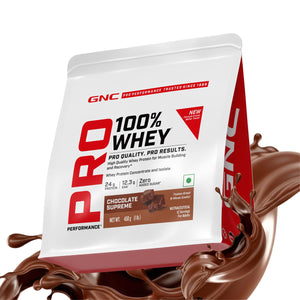


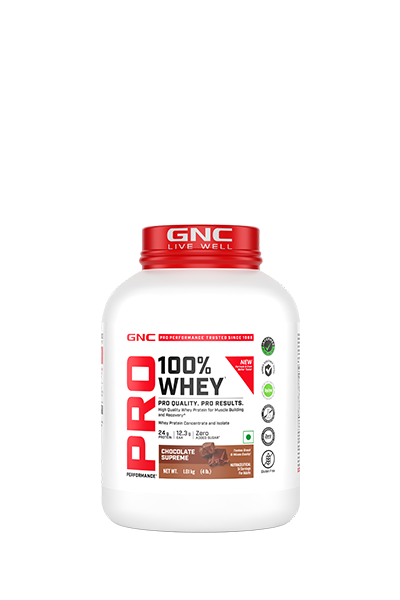
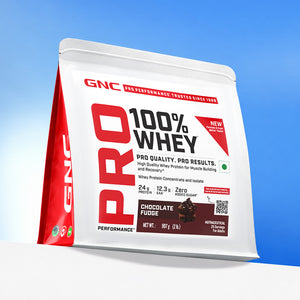
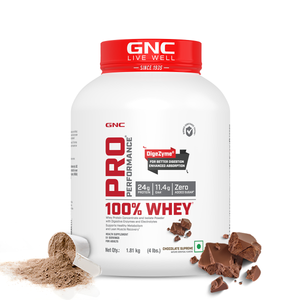



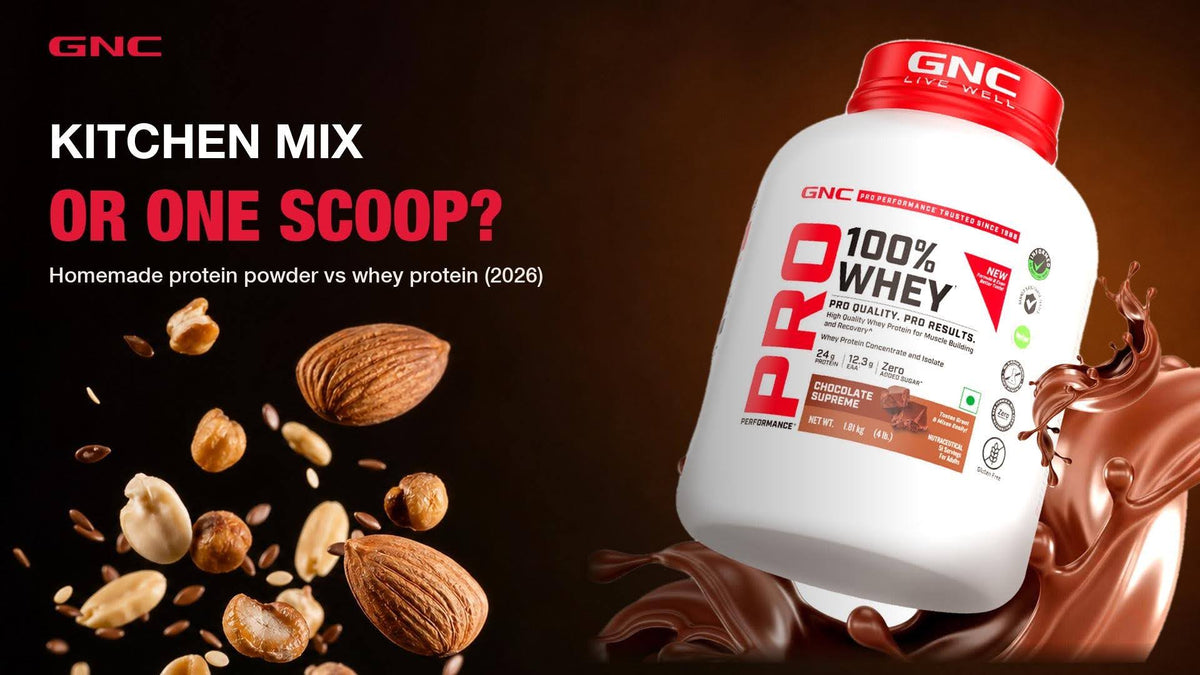
Quick Answer: A homemade protein powder is good food, but it isn't a concentrated protein like whey. Nuts, seeds and roasted gram are about 18 to 24 percent protein, so a 30 g spoonful gives 5.5 to 7 g with more fat. GNC Pro Performance 100% Whey lists 24 g per 35 g serve, protein without the extra calories.
You've seen the video. Someone dry-roasts peanuts, almonds, flax seeds and a handful of chana, grinds the lot and calls it protein powder.
It smells wonderful, it takes an afternoon rather than a trip to the store, and it's made from food your family has trusted for generations.
So why buy a tub of whey at all?
Fair question, and here's the straight answer: a home mix is excellent food, but it isn't a concentrated protein: a powder where most of every spoonful is protein because the fat and starch have been taken out.
Those are two different jobs.
What goes into a homemade protein powder?
A homemade protein powder is a ground blend of nuts, seeds, oats and roasted Bengal gram, sometimes with milk powder, cocoa or jaggery for taste. How to make protein powder at home? Roast, cool, grind. Every ingredient is real food, carrying protein alongside fat, starch and fibre in amounts that vary, which is why the protein share of a finished mix is easy to misjudge.
People overestimate it. Nearly always.
The Indian Food Composition Tables 2017 from the National Institute of Health? (ICMR-NIN) give the answer per 100 g of raw ingredient. ICMR-NIN lists peanuts at 23.65 g of protein, Bengal gram dal at 21.55 g, flax seeds at 18.55 g and almonds at 18.41 g.
So the nuts, seeds and gram in a typical homemade protein powder recipe land between roughly 18 and 24 percent protein. The rest is fat, carbohydrate, fibre and a little water.
Where the food tables stop
IFCT 2017 has no entry for oats or pumpkin seeds, so we give them no figure rather than guess. It also lists Bengal gram dal, not roasted gram, so the dal figure stands in for the roasted chana most recipes use.
Using sattu as your base instead? We've compared that directly in sattu vs whey protein.
How does a spoonful of kitchen mix compare with one scoop of whey?
A 30 g spoonful of homemade protein powder gives about 5.5 to 7 g of protein; a 35 g serve of whey gives 24 g. The table shows each at its own serving, with per 100 g figures where the source gives them.
| What's in the spoon | Serving | Protein per 100 g | Protein per serving | Fat per serving |
|---|---|---|---|---|
| Peanuts | 30 g spoonful | 23.65 g | about 7.1 g | about 11.9 g |
| Bengal gram dal | 30 g spoonful | 21.55 g | about 6.5 g | about 1.6 g |
| Flax seeds | 30 g spoonful | 18.55 g | about 5.6 g | about 10.7 g |
| Almonds | 30 g spoonful | 18.41 g | about 5.5 g | about 17.5 g |
| Whey protein | one 35 g serve | not stated on the product page | 24 g | not stated on the product page |
How much protein does a blended spoonful actually hold?
An equal blend of all four kitchen ingredients averages about 20.5 g of protein per 100 g, or roughly 6 g in a 30 g spoonful. The kitchen rows come from IFCT 2017 with simple arithmetic; the whey row is the product page's 24 g per 35 g serve.
To reach the 24 g in one scoop of whey, you would need about 117 g of that mix, or about four heaped spoonfuls.
Whether four spoonfuls is a drawback depends on what else they bring to your day.
How many calories come with the protein?
Nuts and seeds bring their protein wrapped in fat, so homemade protein powder carries more calories per gram of protein than a concentrated powder. ICMR-NIN's energy factors in the same tables put fat at 9 kcal per gram against 4 for protein.
Here's what rides along with 24 g of protein, using the IFCT energy figures (listed in kilojoules, converted at the tables' own 4.18 kJ per kcal):
- From almonds: about 130 g of almonds, carrying about 76 g of fat and roughly 795 kcal
- From flax seeds: about 129 g, with about 46 g of fat and roughly 575 kcal
- From peanuts: about 101 g, with about 40 g of fat and roughly 530 kcal
- From Bengal gram dal: about 111 g, with about 6 g of fat and roughly 365 kcal
Bengal gram is the lean protein in the jar; almonds are the richest.
Why do those extra calories help if you want to gain weight?
If you struggle to gain weight, those extra calories are a feature, not a flaw, which is why homemade protein powder for weight gain makes real sense. Each spoonful adds energy and protein in one go, from ingredients you already cook with.
Staying lean? Then the fat in a home mix is simply extra calories.
Whey sits at the other end, because mixed in water a scoop adds mostly protein, while mixed in milk it picks up the milk's calories too.
Whole seeds and a filtered milk protein digest differently
Whey is a milk protein, filtered from the liquid left when milk is split to make paneer or cheese, and it digests quickly. A home mix is whole food, so its protein sits inside cell walls, fibre and fat, and takes longer to break down.
Neither protein is wrong; whey and a home mix just behave differently.
What makes a protein "high quality"
Protein is built from amino acids, and nine of them are essential amino acids, meaning your body can't build them, so they must come from what you eat. Leucine is one of the nine, and it works like the switch that tells muscle to start building. Digestibility is the share of a protein your gut actually absorbs.
Devries and Phillips at McMaster University, writing in a 2015 Journal of Food Science review, placed whey among the highest-quality proteins. The reasons were exactly these: plenty of essential amino acids, plenty of branched-chain amino acids (three of the essential nine, leucine among them) and rapid digestion.
How Indian cooking closes the gap
Cereals such as oats make up the one shortfall in chickpea protein, according to a 2012 British Journal of Nutrition review by Jukanti and colleagues. Chickpeas, the plant Bengal gram comes from, carry all the essential amino acids except enough of the sulphur-containing ones, methionine and cysteine.
So the oats in your jar are not filler; they're doing a real job.
The review also notes that cooking reduces the anti-nutritional factors pulses naturally carry, compounds that can get in the way of digestion.
Effective, as part of your day's total
In a 2018 British Journal of Sports Medicine meta-analysis, a study that pools the results of earlier trials, Morton and colleagues found extra protein lifted the strength and muscle people gained from lifting.
There was a ceiling, though. Once total intake passed roughly 1.6 g for every kilogram you weigh, lean mass (muscle and other non-fat tissue) stopped climbing.
So your total protein across the day matters more than the jar it came from, and a home mix counts toward that total like any other food on your plate, just with fewer grams in every spoonful.
How do you store a homemade protein powder so it keeps?
A homemade protein powder keeps best in an airtight jar in a cool, dry cupboard, made in small batches and smelled before every use. Nuts and seeds carry natural oils that go stale, faster near a hot stove in a humid July than in January.
A few plain habits help:
- Roast and cool fully before grinding, so no steam gets trapped.
- Use a dry spoon every time; one wet spoon can start clumps.
- Make small batches you'll finish soon, not a month's tin.
- Smell it first. A bitter or off smell means the oils have turned, so throw it out.
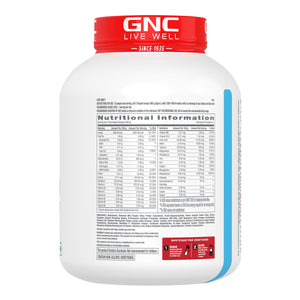
A store-bought tub carries a best-before date, and our guide to reading a whey protein label before you buy shows what else to check. A home mix gives you only your nose.
Where does whey fit if you already make your own?
If you already make your own mix, whey is the concentrated protein you add on days food alone falls short, not a replacement for the jar. Keep the mix for energy and flavour.
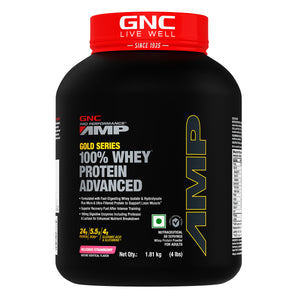
Our whey shows how that works. GNC Pro Performance 100% Whey (New Formulation) is a blend of whey protein concentrate and whey protein isolate. One scoop delivers 24 g of protein, including 12.3g EAA, the essential amino acids explained above.
Stir one scoop into 200-250 ml of milk or water; water keeps it lean.
Milk adds calories, just like a spoonful of home mix would.
The GNC Pro Performance 100% Whey (New Formulation) page lists flavours and directions; the wider whey protein range sits beside it.
The Bottom Line
The homemade-versus-whey argument usually misses the point, because the two aren't competing for the same job.
A homemade protein powder of peanuts, almonds, flax and roasted gram is food. It brings protein, yes, but also fat, fibre and energy, at roughly 5.5 to 7 g of protein a spoonful.
Whey is a concentrate. Protein, and little else.
So plan around your day, not the jar. Need more calories? The home mix earns its place. Need more protein without more fat? Whey fills that gap. Most people who train can happily use both, alongside the other vegetarian staples, from soy and tofu to lentils and peanuts.
Pregnant, living with a medical condition or on daily medicines? Consult your doctor before you change your daily protein.
Frequently Asked Questions
Is homemade protein powder effective for muscle gain?
Yes, as part of your total daily protein. Morton's 2018 British Journal of Sports Medicine meta-analysis found training gains from extra protein levelled off around 1.6 g per kg a day. A home mix gives about 5.5 to 7 g per 30 g spoonful, so several spoonfuls match one scoop of whey.
Can you make whey protein at home?
Not in concentrated form. Homemade whey is the liquid left after making paneer, and it holds some milk protein. Turning it into a dry, high-protein powder needs industrial filtering and drying that a home kitchen can't do. Use that liquid in atta dough or dal instead.
Is a homemade mix better for weight gain?
A homemade mix can suit weight gain if you use it where extra energy counts. Stir a spoonful or two into a glass of milk, or bind the mix with a little jaggery into laddoos for a snack between meals. On days you want protein alone, a whey shake in water does that job.
Can you use a homemade mix and whey on the same day?
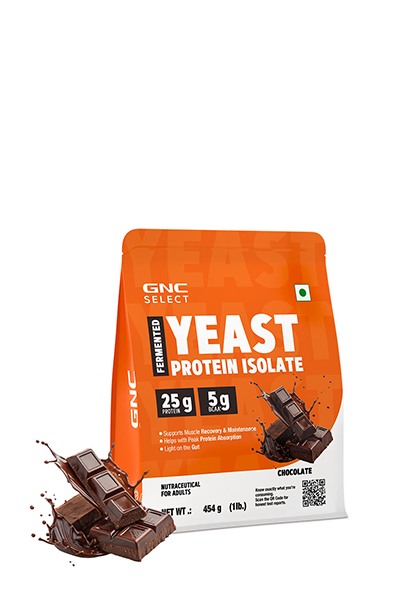
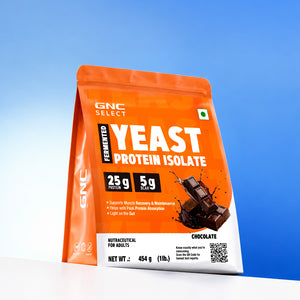
Yes. Many people stir a spoonful of home mix into breakfast and drink a whey shake after training. Both count toward the same daily total, so plan around that number. GNC's usage advice for its yeast protein puts it simply: use between meals to help bridge daily protein gaps.