












Staying hydrated is one of the most important health habits during the summer months. This guide highlights the importance of hydration in summer and simple habits to help you maintain fluid balance.
Table of Contents
-
Why Is Water Important for Your Body?
-
Hydration Helps Regulate Body Temperature
-
Hydration Supports Physical Performance
-
Hydration Supports Brain Function
-
Hydration Supports Digestion and Metabolism
-
Signs of Dehydration
-
How Much Water Should You Drink?
-
Practical Tips to Stay Hydrated in Summer
-
Final Thoughts
Summer brings longer days, outdoor activities, and higher temperatures. While we often focus on sunscreen and cooling foods, one of the most important health habits during this season is staying properly hydrated.
In tropical countries like India, the body loses more fluids through sweat, making hydration in summer essential for maintaining energy, body temperature, digestion, and overall health.
As a nutritionist, I frequently see people experiencing headaches, fatigue, dizziness, or poor concentration during hot weather. In many cases, the underlying reason is simply inadequate water intake.
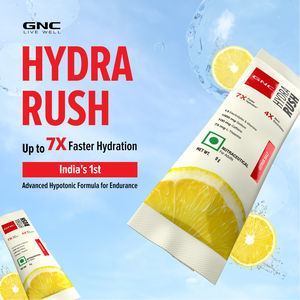
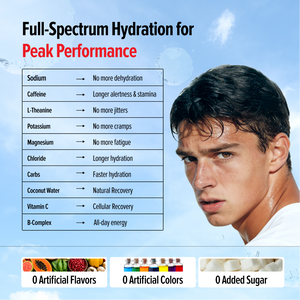
With growing awareness around hydration, advanced hydration solutions are also evolving. New-age formulas like GNC HydraRush are designed to support daily hydration needs by combining essential fluids with functional ingredients for better absorption and sustained hydration.
Why Is Water Important for Your Body?
Water makes up about 2/3rd portion (60% - 70%) of the human body, and every cell depends on it for proper functioning.
The following are the Key Roles of Water in the Human Body:
|
Role of Water in the Body |
How Water Helps in the Body's Function |
|
Regulating body temperature |
Water helps cool the body through sweating and maintains internal body temperature, especially during hot weather or physical activity. |
|
Transporting nutrients to cells |
Being a transport medium, water carries essential nutrients, vitamins, and minerals through the bloodstream to cells across the body. |
|
Removing waste products |
Water helps the body eliminate toxins and waste through sweat, urine, and bowel movements, supporting digestive and kidney health. |
|
Supporting digestion and metabolism |
Adequate hydration helps break down food, absorb nutrients efficiently, and support metabolic processes in the body. |
|
Maintaining joint lubrication |
Water is a key component of Synovial fluid, which acts as a cushion and lubricates joints, which helps in reducing friction during movement. |
|
Supporting brain and nerve function |
Proper hydration helps maintain cognitive function, mood balance, focus, and efficient communication between nerve cells. |
Without adequate body hydration, these functions slow down, leading to fatigue, headaches, and reduced performance.
According to research shared by the National Institutes of Health, staying well hydrated may also contribute to long-term health. In a study published in EBioMedicine, researchers found that adults who maintained better hydration levels were less likely to develop chronic diseases such as heart disease, diabetes, and lung disease, and were more likely to live longer.
→ Hydration Helps Regulate Body Temperature
One of the most important benefits of drinking water in summer is temperature regulation.
When temperatures rise, the body cools itself through sweating. This process releases heat from the body but also leads to fluid loss. If these fluids are not replaced, dehydration can occur quickly.
Drinking adequate water helps:
-
Maintain body temperature
-
Replace fluids lost through sweat
-
Prevent overheating
Health experts emphasise that maintaining hydration is one of the most effective ways to prevent heat-related illnesses such as heat exhaustion and heatstroke.
→ Hydration Supports Physical Performance
Whether it’s walking outdoors, playing sports, or exercising, the body needs more fluids during physical activity.
Even mild dehydration can lead to:
-
Muscle cramps
-
Reduced endurance
-
Fatigue
-
Poor exercise performance
Research published in the Journal of Athletic Training shows that losing as little as 2% of body weight through dehydration can significantly impair physical performance and endurance.
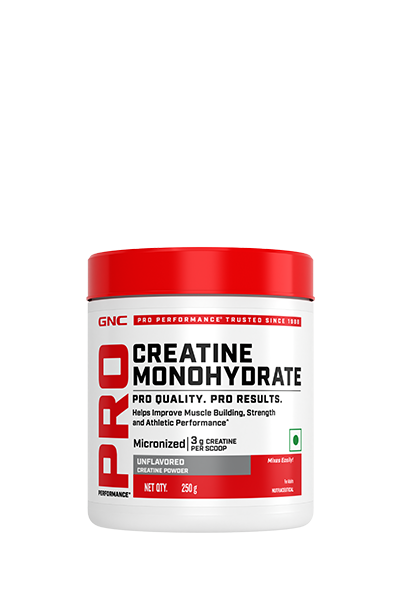
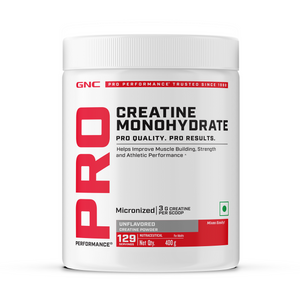
For people who are indulged in an intensive workout routine or active in sports, fluids may not always be enough. To replenish the electrolytes lost through sweat becomes necessary for the body. For this, formulas like GNC Pro Performance Creatine + Electrolytes (a creatine-based support formula), can complement hydration alongside HydraRush with endurance, and recovery during physical activity.
→ Hydration Supports Brain Function
Water is also critical for brain health. Since the brain is largely composed of water, even slight dehydration can affect cognitive performance.
Common effects include:
-
Headaches
-
Reduced concentration
-
Mood changes
-
Irritability
-
Brain fog
Maintaining adequate hydration helps support mental clarity, focus, and productivity, particularly during hot weather.
→ Hydration Supports Digestion and Metabolism
Water plays an essential role in digestion and nutrient absorption. Adequate fluid intake helps break down food, absorb nutrients, and maintain smooth bowel movements. When water intake is low, digestive problems such as constipation, bloating, and irregular bowel movements may occur. Good hydration also supports metabolism and helps the body transport vitamins and minerals efficiently.
Additionally, well-hydrated individuals often notice healthier skin, improved circulation, and better energy levels. Our daily hydration support solutions like GNC HydraRush are increasingly being considered as part of modern hydration routines.
Signs of Dehydration
Recognising the signs of dehydration early can help prevent more serious health complications.
Common symptoms include:
-
Dry mouth
-
Fatigue
-
Headaches
-
Dizziness
-
Muscle cramps
-
Dark yellow urine
-
Reduced urination
A simple way to assess hydration is by observing urine colour:
-
Pale yellow: Well hydrated
-
Dark yellow: Dehydrated
-
Brownish colour: Severe dehydration
If dehydration becomes severe, symptoms such as confusion, fainting, or rapid heartbeat may occur, which requires immediate medical attention.
How Much Water Should You Drink?
Water requirements vary based on body weight, age, climate, and activity level.
According to recommendations from the Institute of Medicine.
-
Men should drink around 3 litres (13 cups) of fluids daily
-
Women should drink around 2–2.7 litres (9–11 cups) daily
~ However, in hot weather or during intense physical activity, water intake may need to increase.
~ Hydration needs can also change during illness, exercise, or pregnancy.
Practical Tips to Stay Hydrated in Summer
Maintaining hydration does not have to be complicated. Simple daily habits can make a big difference.
1. Drink Water Regularly
Do not wait until you feel thirsty. Thirst is often the first sign of dehydration, so sipping water throughout the day helps maintain steady hydration.
2. Carry a Water Bottle
Keeping a reusable bottle nearby acts as a reminder to drink water regularly, especially during work or travel. This also helps to keep track of water intake by monitoring how many bottles of water you drink throughout the day.
3. Eat Water-Rich Foods
Many fruits and vegetables naturally contribute to hydration. Examples include:
-
Watermelon
-
Cucumbers
-
Citrus fruits
-
Strawberries
These foods provide water, vitamins, and antioxidants.
4. Choose Natural Electrolytes
Electrolytes lost through sweat need to be replenished, especially during hot summers.
Hydrating fluid options include:
-
Coconut water
-
Buttermilk
-
Lemon water
These drinks provide minerals like potassium, sodium, and magnesium that support hydration.
5. Limit Sugary and Energy Drinks
Sugary beverages, carbonated drinks, and energy drinks may seem refreshing, but they often contain excess sugar and empty calories.
For most people, plain water remains the best beverage for hydration.
Final Thoughts
Hydration is one of the most fundamental pillars of health, especially during the hot summer months.
As a nutritionist, I believe that water is a simple yet powerful nutrient that helps in the overall metabolism of the body and maintains good health. Proper hydration supports the entire body, from maintaining its temperature to improving brain function.
Understanding the significance of hydration in hot summers, it becomes a self-help for your own body to incorporate a tiny habit of drinking water often throughout the day. Also, by making a habit of eating hydrating foods and limiting carbonated and sugary beverages, you can keep your body more energized and functioning efficiently throughout the season.
Remember, staying hydrated is not just about quenching thirst; it is about supporting your body’s overall well-being, whether through natural intake or advanced hydration solutions like GNC HydraRush.