

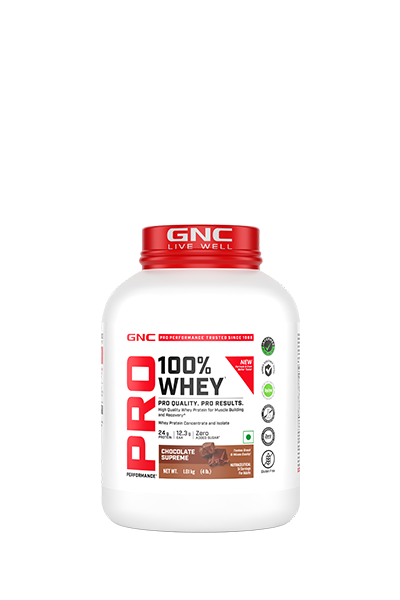
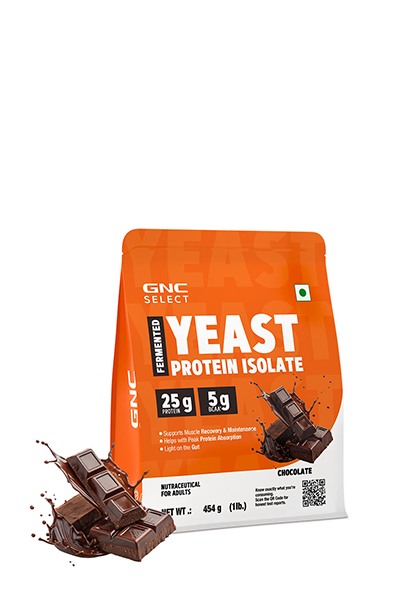
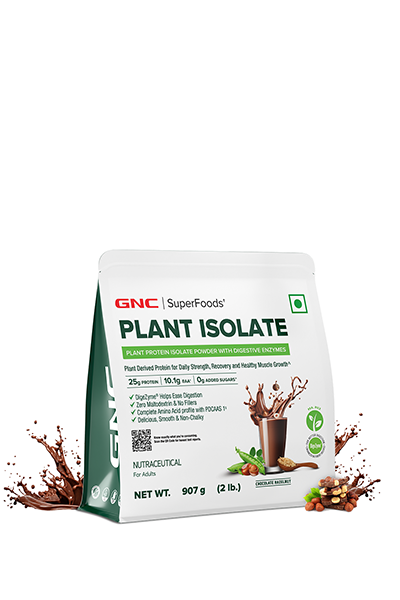










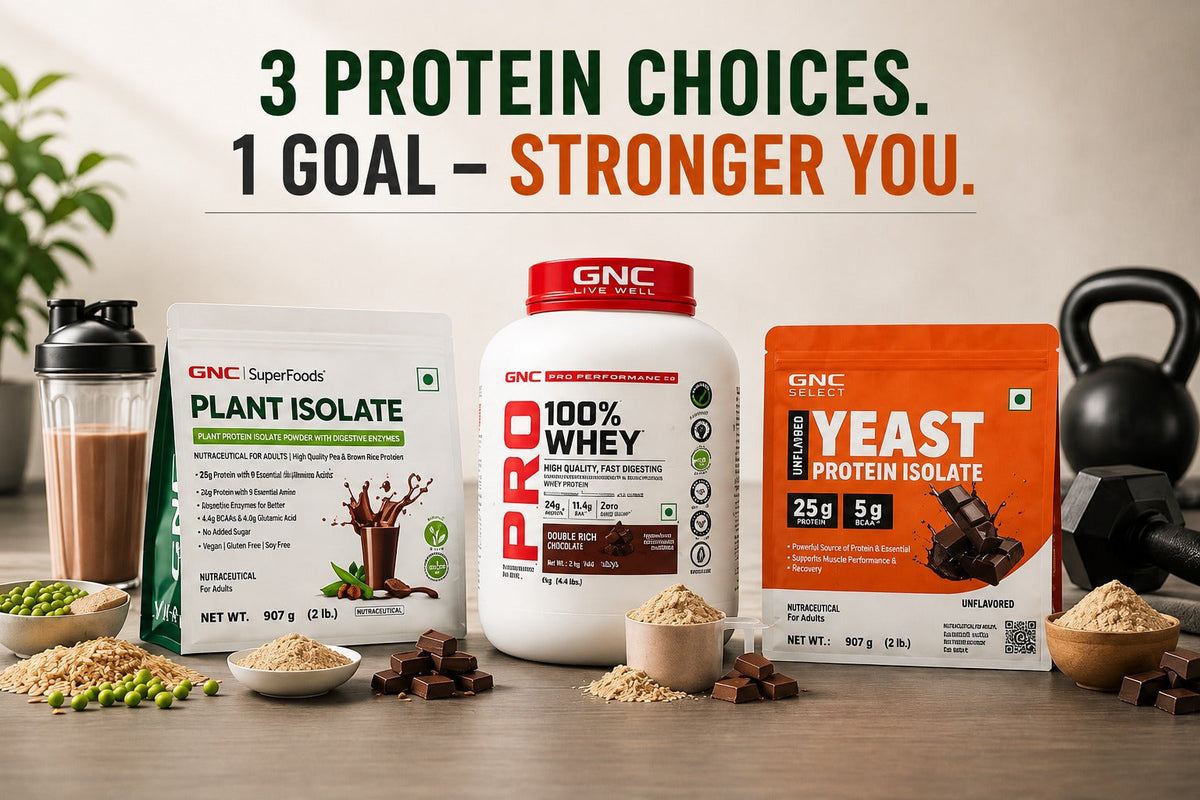
Protein is no longer a one-size-fits-all supplement. Whey has been the undisputed king of sports nutrition for years, but plant protein has been quietly earning its place on the shelf, and yeast protein (fermentation-derived yeast protein) is starting to turn heads among gym-goers, athletes, and health-conscious consumers.
The truth is, each protein source offers unique advantages, depending on the goals of building muscles, improving recovery, supporting digestion, or simply increasing your daily protein intake. The best choice ultimately depends on your lifestyle, dietary preferences, and fitness goals.
Let’s compare these three protein sources across the factors that matter most.
Understanding Protein Quality and Amino Acid Scores
Protein quality is determined by 2 key factors: Amino acid composition and Digestibility. The gold standard is a protein that covers all 9 essential amino acids (EAAs) - the ones your body can’t make on its own and is required for muscle repair, recovery, and overall health.
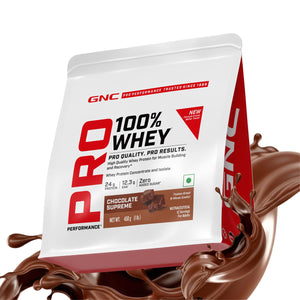
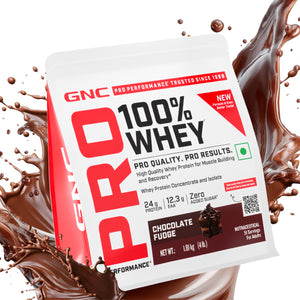
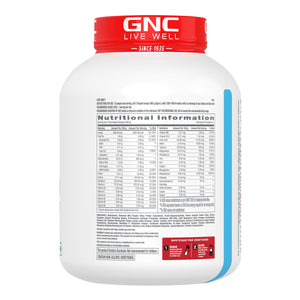
Whey protein is often considered the benchmark as it contains all essential amino acids and is naturally rich in Leucine, a key amino acid involved in muscle protein synthesis. It also has a PDCAAS score of 1.0, indicating excellent digestibility and protein quality. A well-known study by Tang et al., confirmed that whey stimulates muscle protein synthesis more effectively than some other protein sources due to its rapid digestion and high leucine content.
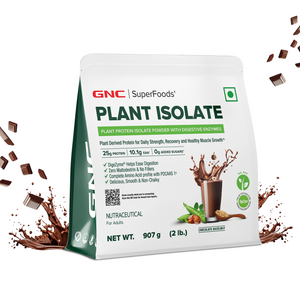
Plant protein blends made from pea and brown rice proteins have evolved significantly. While individual plant proteins may have amino acid limitations, together they fill in each other’s gaps and create a profile that can genuinely compete. A study published in Sports Medicine found that a high-protein plant-based diet supported muscle strength and lean mass gains when compared to those eating animal protein.
Yeast protein is the most recent arrival. Produced through fermentation technology, it delivers all essential amino acids in a well-balanced profile. Emerging research suggests that yeast protein offers high digestibility and effective amino acid availability. Also, an 8-week randomised controlled trial found that physically active adults taking yeast protein alongside resistance training saw real improvements in lean body mass, strength, and overall exercise performance.
Muscle-building Potential of each Protein Source
Let’s get straight to what most people care about - does it actually help you build muscle?
The short answer is yes, all three can. When it comes to building muscle, few factors are important to consider: protein’s amino acid profile, its leucine content, easy digestibility and absorption rate, and ability to stimulate muscle protein synthesis (MPS) - the biological process that drives muscle repair and growth.
Whey’s track record is hard to argue with. It digests fast, delivers leucine in abundance, and has been studied more extensively for muscle growth than almost any other protein source. Research says that whey produces a greater muscle protein synthetic response after resistance exercise, also findings help cement its status as the go-to post-workout protein.
Plant protein used to get written off as the weaker option for muscle building, which is changing. Modern pea and rice protein blends have addressed the amino acid limitations that held earlier versions back, and the research is starting to reflect. A study in the Journal of the International Society of Sports Nutrition found that pea protein produced a comparable increase in muscle thickness to whey during a resistance training program.
Yeast protein is newer to sports nutrition, but it’s not showing up empty-handed. In an 8-week trial, yeast protein combined with resistance training led to meaningful improvements in lean body mass, strength, and exercise performance. Several outcomes were found to be comparable to those observed with whey protein, suggesting its potential as an effective alternative protein source for active individuals.
Across all three sources, the clearest takeaway is: Total daily protein intake is the single biggest driver of muscle growth. After that, protein quality and amino acid composition matter. Whey still has the deepest research base, and its leucine content and fast absorption give it a slight edge for maximizing MPS acutely. But plant protein blends and yeast protein have both shown they can deliver real muscle-building results when paired with consistent training and a solid nutrition plan.
Which Performs Best?
-
For maximizing muscle-building signals: Whey Protein
-
For vegan muscle support: Plant Protein
-
For innovative non-dairy performance nutrition: Yeast Protein
Digestibility and Gut Comfort Comparison
A protein supplement can only be useful if your body can digest and utilize it comfortably. Whey’s fast digestion is genuinely one of its strengths. It moves through your system quickly, amino acids hit your bloodstream fast, for the majority of the people. For those who are lactose intolerant or sensitive to dairy, whey can be a rough experience with bloating, cramping, or uncomfortable heaviness.
Plant proteins digest more slowly. Slow digestion translates to long-lasting fullness, which can work in your favour if protein is used to manage hunger throughout the day. Modern isolation technologies and digestive enzyme blends have significantly improved their texture and gastrointestinal tolerance. Today’s pea and rice protein blends are considerably more comfortable than what was available even five years ago.
Yeast protein handles digestion well on the basics - research confirms it breaks down effectively into peptides and amino acids that the body can readily absorb and use. Early studies have reported improvements in gut barrier function and positive shifts in beneficial gut metabolites - suggesting yeast protein may actively support gut health rather than just passing through it.
Best Option for Lactose-Intolerant Individuals
Lactose intolerance is one of the most common reasons people seek alternatives to traditional dairy proteins. Whey comes from milk, which means lactose comes with the territory. Some individuals may still experience discomfort depending on the type and degree of lactose sensitivity. With mild lactose intolerance, whey isolate can be consumed if tolerated, which is processed to remove most of the lactose. Plant-based protein blends are naturally lactose-free and fit seamlessly into vegan and dairy-free lifestyles. Similarly, yeast protein is produced through fermentations and contains no dairy ingredients, making it another suitable option for consumers looking to avoid lactose.
Top Choices for Dairy-Free Nutrition
-
Yeast Protein
-
Plant Protein
Which Protein Supports Recovery Better?
Training breaks your muscles down. Recovery is where they actually grow. Your choice of protein, how fast it gets to work - plays a bigger role than most people think. Whey is known for delivering amino acids quickly after exercise, making it a popular post-workout option. Plant protein tends to digest more gradually, helping provide sustained nourishment while also supporting fullness.
Yeast protein appears to offer an interesting middle ground. Digestion studies suggest it releases amino acids more gradually than whey, which may translate to a more prolonged supply of the building blocks your muscles need during the hours following training. It’s not trying to be whey - it’s offering something different: a steadier, more sustained delivery that could complement your recovery in ways that a fast-digesting protein alone might not.
Taste, Texture, and Versatility Comparison
The best protein is the one you’ll consistently reach for. No matter how impressive the science is, if it tastes unpleasant or mixes poorly, it won’t stay in your routine for long. Whey protein typically offers the smoothest texture and widest range of flavours, making it a favorite among long-term users. Plant proteins have improved significantly in texture and flavour, although they often provide a slightly thicker mouthfeel. Yeast protein is still an emerging category but offers a unique sensory profile with good mixability and growing flavour options.
Matching Protein Type to Fitness Goals
Different goals often require different nutritional approaches.
|
If your goal is - |
Best Choice |
|
Maximum Muscle Growth |
Whey Protein |
|
Vegan Performance Nutrition |
Yeast Protein or Plant Protein |
|
Digestive Comfort |
Yeast Protein |
|
Weight Management and Satiety |
Plant Protein |
|
Dairy-free Muscle Recovery |
Yeast Protein or Plant Protein |
|
Sustained Amino Acid Release |
Yeast Protein |
|
Reducing Post-Protein Bloating |
Yeast Protein |
|
Trying Next-generation Nutrition |
Yeast Protein |
|
Maintaining Lean Muscle during Active Aging |
Whey Protein or Yeast Protein |
|
Daily Protein Supplementation Beyond Workouts |
Yeast Protein |
Decision Guide: Which Protein Fits Your Lifestyle?
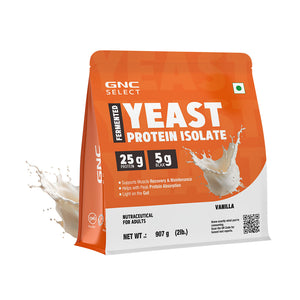
Choose GNC Select Fermented Yeast Protein Isolate if you -
Want a non-dairy protein alternative Prioritize digestive comfort Experience bloating with other proteins Want sustained protein release Are interested in innovative nutrition solutions