






Table Of Contents
- Introduction
- Why Lactose Intolerance Can Affect Your Protein Supplement Choice
- Understanding Your Options: Whey Isolate, Plant Protein, and Yeast Protein
- Plant Protein for Sensitive Digestion: Benefits and Considerations
- Yeast Protein: The Next Generation of Dairy-Free Protein
- How to Choose a Lactose-Friendly Protein Supplement
- Key Takeaways
For decades, the world of protein was dominated by a simple idea: Want results? Grab whey.
Today, that idea is being challenged.
Advances in nutrition science have introduced entirely new ways to deliver high-quality protein from sophisticated plant-based blends to fermentation-derived yeast protein.
For individuals with lactose intolerance, these innovations are more than just new choices on a supplement shelf - they can be game changers. Digestive comfort, ingredient quality, and long-term consistency all play an important role.
While whey isolate may work well for some, others are turning to dairy-free alternatives that better suit their needs. As a result, protein innovation is moving in exciting new directions - from carefully formulated plant protein blends to fermentation-derived yeast protein. These alternatives are expanding the possibilities of sports nutrition, proving that high-quality protein can come from more sources than ever before.
Why Lactose Intolerance Can Affect Your Protein Supplement Choice
Lactose is a natural sugar found in milk and dairy products. To digest it properly, the body produces an enzyme called lactase, which breaks down lactose into simpler sugars that can be absorbed and used for energy.
When the body produces insufficient lactase, lactose cannot be fully digested. This condition is known as lactose intolerance and may lead to symptoms such as bloating, gas, stomach discomfort, cramps, or diarrhea after consuming dairy-containing foods or beverages.
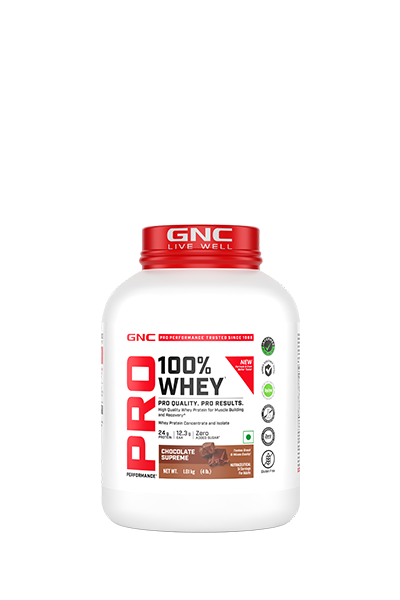
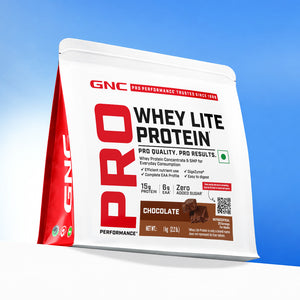
Many of the most popular protein powders on the market are made from dairy. While this may not be an issue for everyone, people with lactose intolerance may experience bloating, gas, or stomach discomfort after consuming certain whey-based products - especially whey concentrates, which typically contain more lactose.
That’s why looking beyond the protein number on the label is important. The source of the protein can have a big impact on how well your body tolerates it. Some individuals do well with whey isolate, which undergoes additional processing to remove most of the lactose, while others find that naturally lactose-free options like plant protein or newer alternatives such as yeast protein fit better into their routine. Ultimately, the best protein supplement is one that helsp you meet your nutrition goals without causing digestive discomfort.
Understanding Your Options: Yeast Protein, Plant Protein, and Whey Isolate
If you’re lactose tolerant, you’ll mostly run into three types of protein: whey isolate, plant protein, and yeast protein.
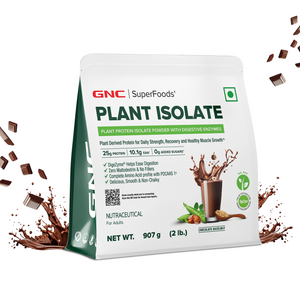
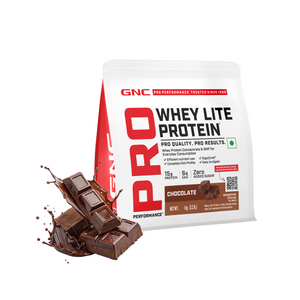
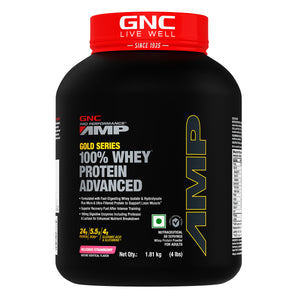
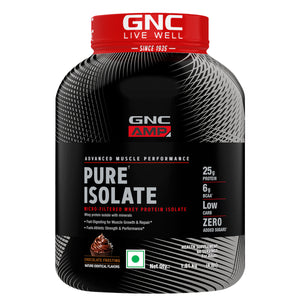
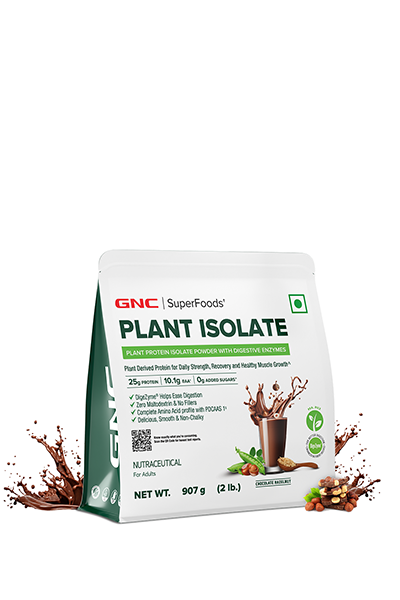
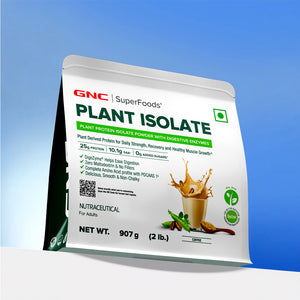
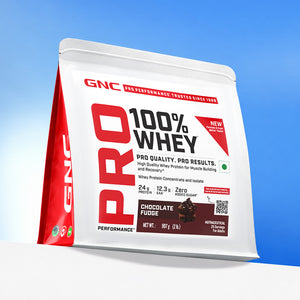
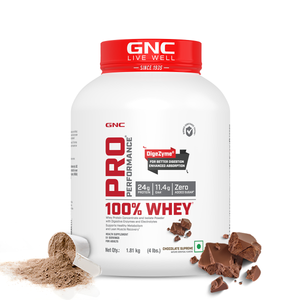
Whey isolate is dairy-based but goes through heavy filtration, which strips out most of the lactose. It’s still a solid pick if you want a complete amino acid profile and don’t react badly to trace amounts of dairy. Plant protein comes from things like peas, brown rice, soy, or pumpkin seeds. No lactose, no dairy - which is exactly why it’s become so popular. It’s a straightforward option that works for a wide range of diets.
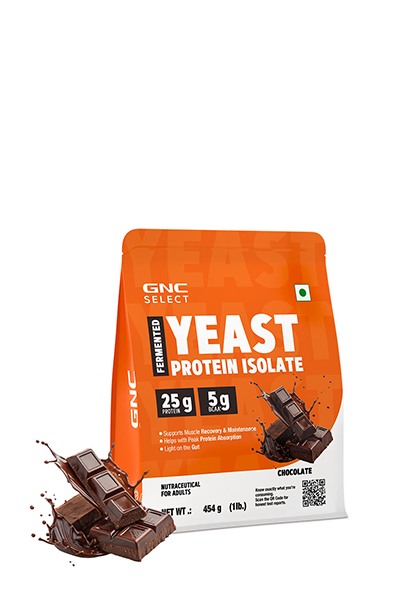
Yeast protein is the odd one out, in the best way. It’s made through fermentation, so it has nothing to do with dairy or conventional plant sources. It’s newer, lactose-free, and people are starting to pay attention to what it can do nutritionally. All three have real merit. The one that’s right for you really comes down to how your body handles each, what your diet looks like, and what you actually want from a protein supplement.
Plant Protein for Sensitive Digestion: Benefits and Considerations
One of the reasons plant protein has gained popularity among lactose-intolerant consumers is about cutting out dairy for sure, but also having multiple options. Peas, rice, soy, hemp, pumpkin seeds - the variety means brands can build blends with different nutritional profiles and flavour profiles instead of being locked into one source.
It has also come a long way. The gritty, chalky shakes that gave plant protein a bad reputation are largely a thing of the past. Better food tech has made modern versions genuinely good to drink. One thing worth knowing: single-source plant proteins can fall short on certain essential amino acids. That’s why most quality products today combine multiple sources to fill those gaps. For sensitive stomachs, plant protein is generally a safe bet - but still reading the label is a must while opting for any supplement to get the ingredient list.
At this point, plant protein isn’t just a whey substitute. It has become a category of its own, offering lactose-intolerant individuals a versatile and well-established way to support their daily protein intake.
Yeast Protein: The Next Generation of Dairy-Free Protein
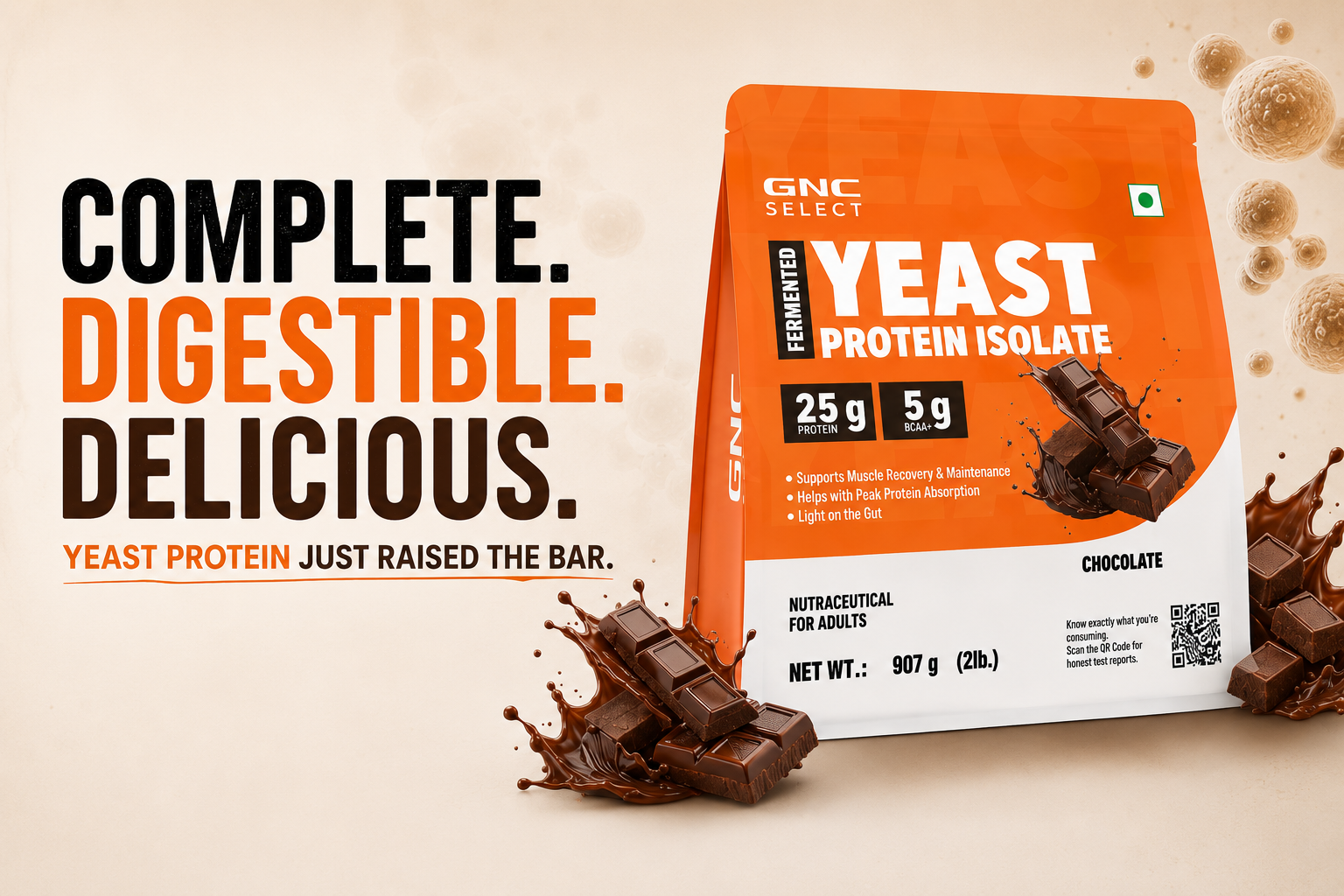
A third category which is beginning to make its mark after whey proteins and plant proteins, is yeast protein. What sets it apart is how it’s made. Fermentation isn’t new - bread and yogurt have relied on it for centuries - but applying it to protein production is a different story. The result is a high-quality, naturally lactose-free protein that doesn’t borrow from dairy or conventional plant sources.
The nutrition side is catching up too. Research into microbial proteins points to strong amino acid profiles alongside a production process that’s lighter on resources than traditional methods.
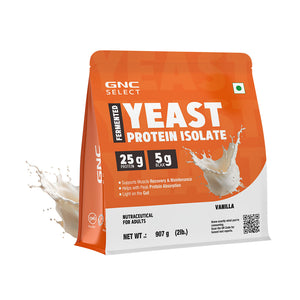
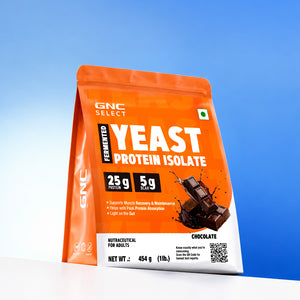
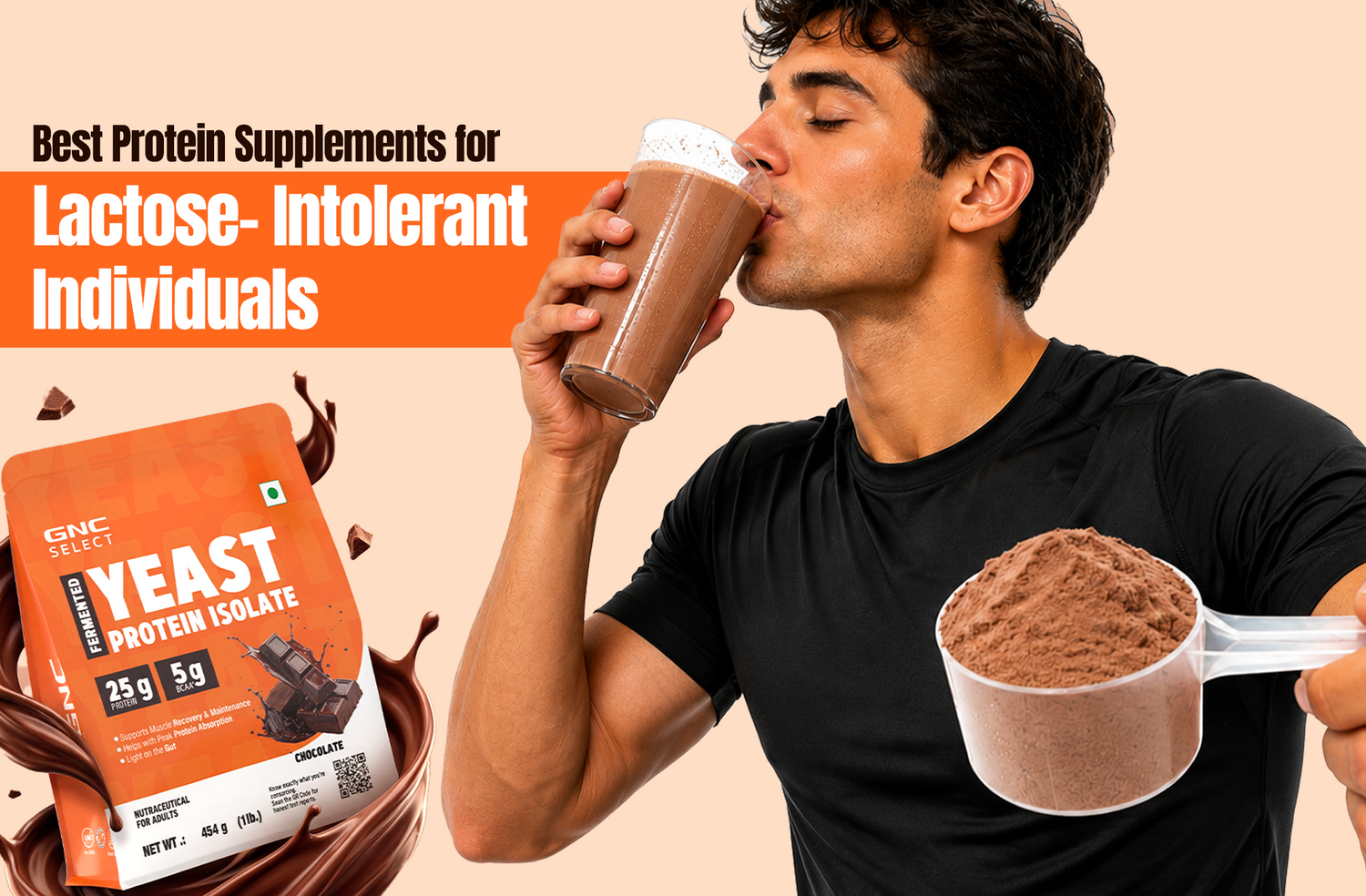
For anyone looking past the usual options, products like GNC Yeast Protein Isolate sit squarely in this space - built on fermentation, free of lactose, and aimed at people who want quality protein without the dairy dependency.
How to Choose a Lactose-Friendly Protein Supplement
With so many protein options available today, finding the right one can feel overwhelming. If you’re lactose intolerant, these factors can help simplify your decision:
-
Check the Protein Source
Understand the protein source: Yeast Protein, Plant Protein and Why Isolate, all offer different benefits. If you’re highly sensitive to dairy, naturally lactose-free options such as plant or yeast protein may be worth considering.
-
Read Beyond the Front Label
Take a closer look at the ingredient list to identify the protein source and check for any dairy-derived ingredients.
-
Consider Digestive Comfort
A protein supplement should support your goals, not leave your feeling uncomfortable. Pay attention to how your body responds and choose an option that you can enjoy consistently.
-
Look for a Quality Amino Acid Profile
Protein quality matters just as much as protein quantity. Choosing a protein source that provides essential amino acids can help support muscle recovery and daily protein needs.
-
Match It to Your Lifestyle
The best choice is one that fits your dietary preferences and long-term nutrition goals.
Key Takeaways
The protein industry is constantly evolving, and yeast protein is one of the most exciting examples of where it's headed.
By combining the power of fermentation with modern nutrition science, yeast protein offers a fresh approach to protein supplementation that goes beyond the traditional whey-versus-plant conversation. For lactose-intolerant individuals, it represents more than just another alternative - it reflects the next generation of protein innovation.
As consumers continue to seek products that balance quality, convenience, and dietary compatibility, yeast protein is well-positioned to become an increasingly important part of the protein landscape.