











Quick Answer: Yes, you can take creatine with alcohol, and no human study shows a direct interaction. The catch is the alcohol: in a controlled trial, a binge after training (about 1.5 g of alcohol per kg of body weight) cut muscle-building rates by 24% even with protein, and 37% without. Wine or spirits also raise urine output for a few hours.
You trained legs this morning. A friend's party is tonight, and the creatine tub is sitting by the sink.
Can I drink alcohol while taking creatine?
Fair question. You've spent weeks building the habit, and you don't want one evening to undo it, or to turn two ordinary things into a risky mix.
Here's the short version. Creatine and alcohol don't appear to clash with each other. Alcohol does have effects of its own, on muscle recovery and on how much water you lose, and those depend almost entirely on how much you drink.
So this guide walks through four scenarios (a single drink with dinner, two drinks, a big night after training and the morning after) and what the research shows for each.
New to creatine itself? Start with this complete guide to creatine.
Worth being upfront about: "no study found a problem" is not the same as "a study proved it safe". Nobody has run that trial in people.
What researchers have measured is alcohol by itself, and creatine by itself. Put the two sets of findings side by side, one scenario at a time, and you get a far clearer picture than any forum thread gives.
The numbers need one unit. The US National Institute on Alcohol Abuse and Alcoholism (NIAAA) defines a standard drink as 14 g of pure alcohol:
The team, led by Evelyn Parr at RMIT University, put eight active men through weights and cycling, then had them drink about 1.5 g of alcohol per kg of body weight over three hours.
At the men's average of 79 kg, that is about 120 g of alcohol, or 8 to 9 NIAAA standard drinks. The authors counted about 12, using Australia's smaller 10 g drink.
They measured muscle protein synthesis, the process that repairs and builds muscle after training, and published the results in PLoS One. Protein softened the hit, but it didn't cancel it out.
That's scenario three, the big night. Not a beer.
The limits are real: eight men, one session, one binge-level dose.
Alcohol also breaks up sleep, NIAAA notes; our guide covers how much sleep is adequate.
Alcohol is a diuretic, meaning it makes your kidneys release more water. NIAAA explains how: alcohol suppresses vasopressin, a hormone that tells the kidneys to hold water back.
Say you have two glasses of wine at a wedding. How much extra water do you lose?
A 2017 Wageningen-based trial by Polhuis and colleagues, published in Nutrients, gave 20 men aged 65 to 75 about 30 g of alcohol. Wine and spirits raised urine output over the first 4 hours, but not across 24 hours. Several authors came from an industry-linked beer institute.
The water loss comes from the alcohol. Pairing creatine with salts? See why athletes combine creatine with electrolytes.
Have a medical condition such as liver or kidney disease, or take regular medication? Consult your doctor before drinking on creatine.
Full muscle stores are called saturation. Jose Antonio and colleagues covered it in a 2021 review in the Journal of the International Society of Sports Nutrition. They found that 3 to 5 g a day for at least four weeks fills muscles about as well as loading, a short high-dose start.
The same review found no support for the idea that creatine causes dehydration, which matters on a night when alcohol is already pulling water out of the body.
So on a day you drink, take your usual scoop at your usual time, with water.
Then comes scenario four.
The morning after, keep going. No study has tested creatine against a hangover, and there is nothing to make up. Take the usual dose with water and give the hangover time.
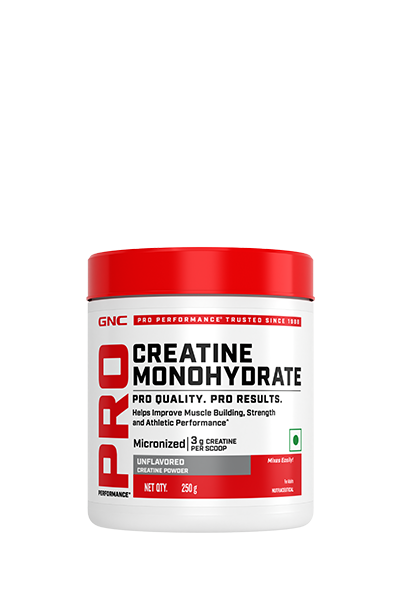
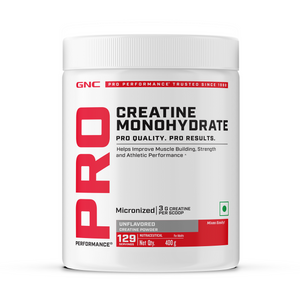
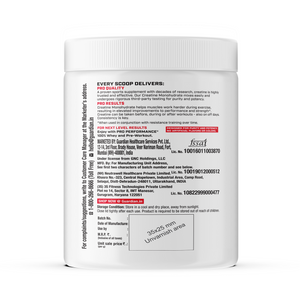
GNC Pro Performance Creatine Monohydrate is one example: its product page lists it as Informed Choice Certified and free from harmful banned substances.
Each serving delivers 3 g of creatine monohydrate, inside the 3 to 5 g daily range from the research above. It is an unflavoured powder with 0 kcal of energy per serving.
The 3 g dose sits where the saturation research points, and an unflavoured scoop in plain water keeps the daily habit simple, drinking day or not.
It is a creatine to mix with water, not with alcohol.
Browse the creatine range, or read why banned-substance testing matters.
The trouble sits with the alcohol.
A big night after training measurably slowed muscle building in the Melbourne study, while a drink or two mostly meant a few extra trips to the bathroom.
None of the human studies here tested the two together, and none set a safe number of drinks for creatine users. What they do show is that most of the known downside of a night out comes from the alcohol.
So keep a glass of water going alongside your drinks, keep heavy nights well away from the hardest training days, and don't let a late night talk you out of the daily scoop.
Creatine rewards weeks of consistency. One Saturday won't undo it.
A. Yes. Beer was the mildest case studied: in the Wageningen-based trial, run with an industry-linked beer institute, beer carrying 30 g of alcohol produced no more urine than alcohol-free beer. The muscle-recovery hit came from far larger amounts, so the number of drinks matters more than the drink.
Q. Does creatine make a hangover worse?
A. No study has tested this. The US National Institute on Alcohol Abuse and Alcoholism lists mild dehydration, broken sleep and inflammation among the causes of a hangover, and none of those is known to come from creatine. Only time clears a hangover, NIAAA adds. Nothing suggests changing your creatine the next day: take the usual dose with water.
Q. Is creatine bad for your liver if you drink?
A. No one has tested this in people. The only study of the pair, a 2019 mouse study in Nutrition by Marinello and colleagues, found creatine added to an alcohol diet worsened liver fat and damage markers compared with alcohol alone. The authors note this runs against other creatine liver studies. If you have a liver condition, ask your doctor first.
Q. Does alcohol cancel out creatine?
A. No study has measured muscle creatine stores after drinking. What has been measured is slower muscle building after heavy drinking, which blunts the training that creatine is meant to support. So the drinking, not the creatine, is the part to manage.
Q. What does a third-party test mark on creatine actually check?
A. A third-party mark shows that a testing programme, such as Informed Choice, screens that named product for substances banned in sport. It is a banned-substance check, not proof that a supplement works or suits your health, and it covers only the exact product listed, not others with a similar name.
You trained legs this morning. A friend's party is tonight, and the creatine tub is sitting by the sink.
Can I drink alcohol while taking creatine?
Fair question. You've spent weeks building the habit, and you don't want one evening to undo it, or to turn two ordinary things into a risky mix.
Here's the short version. Creatine and alcohol don't appear to clash with each other. Alcohol does have effects of its own, on muscle recovery and on how much water you lose, and those depend almost entirely on how much you drink.
So this guide walks through four scenarios (a single drink with dinner, two drinks, a big night after training and the morning after) and what the research shows for each.
New to creatine itself? Start with this complete guide to creatine.
Is there a known interaction between creatine and alcohol?
No human study has tested creatine and alcohol together, and none shows a direct interaction. The real issues come from what alcohol does on its own.Worth being upfront about: "no study found a problem" is not the same as "a study proved it safe". Nobody has run that trial in people.
What researchers have measured is alcohol by itself, and creatine by itself. Put the two sets of findings side by side, one scenario at a time, and you get a far clearer picture than any forum thread gives.
The numbers need one unit. The US National Institute on Alcohol Abuse and Alcoholism (NIAAA) defines a standard drink as 14 g of pure alcohol:
- Beer: about 355 ml at 5% alcohol
- Wine: about 150 ml at 12%
- Spirits: about 44 ml at 40%
Does alcohol slow muscle growth and recovery?
After a heavy night, yes. In a 2014 Melbourne study, drinking after training lowered muscle-building rates by 24% even with protein, and by 37% without it.The team, led by Evelyn Parr at RMIT University, put eight active men through weights and cycling, then had them drink about 1.5 g of alcohol per kg of body weight over three hours.
At the men's average of 79 kg, that is about 120 g of alcohol, or 8 to 9 NIAAA standard drinks. The authors counted about 12, using Australia's smaller 10 g drink.
What did the Melbourne study measure?
The study was a crossover trial: each man tried protein alone, alcohol with protein and alcohol with carbohydrate on different days, so he acted as his own comparison.They measured muscle protein synthesis, the process that repairs and builds muscle after training, and published the results in PLoS One. Protein softened the hit, but it didn't cancel it out.
That's scenario three, the big night. Not a beer.
The limits are real: eight men, one session, one binge-level dose.
Alcohol also breaks up sleep, NIAAA notes; our guide covers how much sleep is adequate.
Does alcohol dehydrate you, and does creatine add to it?
Stronger drinks do, briefly: in one trial, wine and spirits made men pass more urine for a few hours, but beer did not. Creatine on its own doesn't appear to dehydrate you: a review of 10 trials found no evidence that it upsets fluid balance.Alcohol is a diuretic, meaning it makes your kidneys release more water. NIAAA explains how: alcohol suppresses vasopressin, a hormone that tells the kidneys to hold water back.
Say you have two glasses of wine at a wedding. How much extra water do you lose?
A 2017 Wageningen-based trial by Polhuis and colleagues, published in Nutrients, gave 20 men aged 65 to 75 about 30 g of alcohol. Wine and spirits raised urine output over the first 4 hours, but not across 24 hours. Several authors came from an industry-linked beer institute.
Does creatine add to the water loss?
A 2009 systematic review by Lopez and colleagues in the Journal of Athletic Training pooled 10 randomised trials. It found no evidence that creatine upsets the body's fluid balance.The water loss comes from the alcohol. Pairing creatine with salts? See why athletes combine creatine with electrolytes.
Do creatine and alcohol side effects depend on how much you drink?
Yes. Dose is what counts: the muscle effect followed a binge of about 1.5 g of alcohol per kg of body weight, while two drinks of wine or spirits only raised urine briefly.| Scenario | Alcohol | What the evidence shows | Your creatine |
|---|---|---|---|
| 1. A beer with dinner | About 1 standard drink | Beer with 30 g alcohol: no extra urine | Usual dose, plus water |
| 2. Two glasses of wine or spirits | About 30 g, 2 standard drinks | More urine for 4 hours, not 24 | Usual dose, keep water going |
| 3. A big night after training | About 1.5 g per kg body weight | Muscle building 24–37% lower | The drinking is the problem |
| 4. The morning after | Hangover | No creatine data | Keep the habit, rehydrate |
Have a medical condition such as liver or kidney disease, or take regular medication? Consult your doctor before drinking on creatine.
Can you drink alcohol after creatine on the same day?
Yes, and there's no evidence you need to change anything. Creatine works by filling muscle stores over about four weeks of daily use, so one day's timing matters little.Full muscle stores are called saturation. Jose Antonio and colleagues covered it in a 2021 review in the Journal of the International Society of Sports Nutrition. They found that 3 to 5 g a day for at least four weeks fills muscles about as well as loading, a short high-dose start.
The same review found no support for the idea that creatine causes dehydration, which matters on a night when alcohol is already pulling water out of the body.
So on a day you drink, take your usual scoop at your usual time, with water.
Then comes scenario four.
The morning after, keep going. No study has tested creatine against a hangover, and there is nothing to make up. Take the usual dose with water and give the hangover time.
How do you verify creatine is genuine and safe, and what does GNC's label show?
Choose a plain creatine monohydrate tested by a third-party programme, and confirm it on the tester's own listing. To check that a GNC tub itself is genuine, use the scratch-off authentication label on the pack and GNC's product verification page.GNC Pro Performance Creatine Monohydrate is one example: its product page lists it as Informed Choice Certified and free from harmful banned substances.
Each serving delivers 3 g of creatine monohydrate, inside the 3 to 5 g daily range from the research above. It is an unflavoured powder with 0 kcal of energy per serving.
The 3 g dose sits where the saturation research points, and an unflavoured scoop in plain water keeps the daily habit simple, drinking day or not.
It is a creatine to mix with water, not with alcohol.
Browse the creatine range, or read why banned-substance testing matters.
The Bottom Line
Creatine and alcohol have no known direct interaction, and no human study has tested the pair. That is the honest starting point.The trouble sits with the alcohol.
A big night after training measurably slowed muscle building in the Melbourne study, while a drink or two mostly meant a few extra trips to the bathroom.
None of the human studies here tested the two together, and none set a safe number of drinks for creatine users. What they do show is that most of the known downside of a night out comes from the alcohol.
So keep a glass of water going alongside your drinks, keep heavy nights well away from the hardest training days, and don't let a late night talk you out of the daily scoop.
Creatine rewards weeks of consistency. One Saturday won't undo it.
Frequently Asked Questions
Q. Can you drink beer while taking creatine?A. Yes. Beer was the mildest case studied: in the Wageningen-based trial, run with an industry-linked beer institute, beer carrying 30 g of alcohol produced no more urine than alcohol-free beer. The muscle-recovery hit came from far larger amounts, so the number of drinks matters more than the drink.
Q. Does creatine make a hangover worse?
A. No study has tested this. The US National Institute on Alcohol Abuse and Alcoholism lists mild dehydration, broken sleep and inflammation among the causes of a hangover, and none of those is known to come from creatine. Only time clears a hangover, NIAAA adds. Nothing suggests changing your creatine the next day: take the usual dose with water.
Q. Is creatine bad for your liver if you drink?
A. No one has tested this in people. The only study of the pair, a 2019 mouse study in Nutrition by Marinello and colleagues, found creatine added to an alcohol diet worsened liver fat and damage markers compared with alcohol alone. The authors note this runs against other creatine liver studies. If you have a liver condition, ask your doctor first.
Q. Does alcohol cancel out creatine?
A. No study has measured muscle creatine stores after drinking. What has been measured is slower muscle building after heavy drinking, which blunts the training that creatine is meant to support. So the drinking, not the creatine, is the part to manage.
Q. What does a third-party test mark on creatine actually check?
A. A third-party mark shows that a testing programme, such as Informed Choice, screens that named product for substances banned in sport. It is a banned-substance check, not proof that a supplement works or suits your health, and it covers only the exact product listed, not others with a similar name.