











Quick Answer: Yes, most women with PCOS can take whey protein as one way to reach their daily protein target. In a small 2021 trial, 14 women with PCOS took 35 g of whey daily for a week, and their measured insulin sensitivity improved. Whey is still a food, not a PCOS medicine, so pick a powder with no added sugar.
You walk out of the gynaecologist's clinic with a new label for symptoms you've lived with for years, and two lines of advice: bring your weight down and eat more protein.
That is all you get.
So now you are scrolling through search results for protein powder for PCOS late at night, wondering whether whey will help or whether dairy will make things worse. Can women with PCOS take whey protein at all?
You're far from alone in asking. The World Health Organization's PCOS fact sheet estimates that PCOS (polycystic ovary syndrome) affects 10–13% of women of reproductive age, and that up to 70% of them do not know they have it.
This article follows the evidence the way your body would meet it. First comes what studies saw in the hour after a whey shake, then what changed after a week of daily use, then what months of eating more protein have shown.
Is whey protein for PCOS a yes or a no?
For most women with PCOS, it's a yes, as one way to reach a daily protein target. It doesn't change the hormonal condition itself, and nobody should expect it to.
Whey protein is made from whey, the liquid left over when milk is turned into cheese or paneer. That liquid is filtered and dried into a powder.
That makes it food, not medicine.
So the real question isn't whether whey is allowed. It's whether a scoop fits your day more easily than another bowl of dal, a cup of curd or a couple of eggs would.
India's ICMR-NIN dietary guidelines put protein from food first, and that is a sensible order for anyone with PCOS too. A shake is a convenience for the days when your meals fall short, not a replacement for them.
Where does that leave you? With a fairly simple rule of thumb, plus one clear exception: if you take medicines for blood sugar or have kidney disease, ask your doctor before you add a daily shake.
What is PCOS, and why does insulin keep coming up?
PCOS is a hormonal condition with higher androgen levels and irregular ovulation. WHO links it to a higher risk of insulin resistance, which is why food and blood sugar get so much attention.
Androgens are hormones such as testosterone, which women also make in smaller amounts. In PCOS, higher levels can bring irregular periods, excess facial or body hair and acne, according to WHO.
Now, the insulin part.
Insulin is the hormone that moves sugar from your blood into your cells. Insulin resistance means your cells respond weakly, so your body has to push out more insulin to do the same job. Insulin sensitivity is the flip side of that: how well your cells respond.
WHO lists insulin resistance, type 2 diabetes and obesity among the longer-term risks that come with PCOS. It also says healthy eating matters for every woman with PCOS, even when it doesn't lead to weight loss.
That's exactly where protein, and whey in particular, enters the picture.
What does whey protein do to insulin resistance in the first hour?
In the first hour, whey triggers a quick insulin release, a short-term response rather than a lasting change in insulin resistance. In a 2021 trial by Zumbro and colleagues, blood glucose stayed steadier during a sugar test when a 35 g whey drink came first, even as insulin rose.
That's a reading from a single test, not proof of how your body handles sugar over weeks.
What the studies measured, from the first hour to six months
| Time window |
Study | Who | What was given |
What was measured |
Limit |
|---|---|---|---|---|---|
| First hour | Zumbro 2021, day 1 |
14 women with PCOS, 15 without |
35 g whey before a glucose drink |
Glucose steady, insulin rose |
Small, exploratory |
| One week | Zumbro 2021, day 7 |
Same 29 women |
35 g whey daily |
Insulin sensitivity improved; cholesterol −13%, not significant |
7 days only |
| Six months | Sorensen 2012 |
57 women with PCOS |
Over 40% of energy from protein vs under 15% |
4.4 kg more weight loss; bigger glucose fall; testosterone no different |
27 finished; whole diet |
| Pooled | Wang 2024 | 8 trials, 300 women |
High-protein vs balanced diets |
Fasting insulin 2.69 micro-units/ mL lower; HOMA-IR 0.41 lower; hormones no different |
Larger trials needed |
Is whey protein good for PCOS after a week of daily use?
On the markers measured, nothing moved the wrong way: in Zumbro's 2021 trial, insulin sensitivity improved after seven days of 35 g whey daily. Cholesterol dipped 13% in the PCOS group, though not by a statistically significant margin.
Fourteen women with PCOS and 15 without it took whey isolate, a more filtered form of whey, every day.
The women took an oral glucose tolerance test at the start, on day 1 and on day 7, where you drink a set dose of sugar and blood is drawn several times afterwards. The whey went in first as a preload, a drink taken shortly before the sugar.
Two readings stood out on day 7:
- Insulin sensitivity went up, so cells responded better to the insulin already there.
- ALT and AST, blood markers of liver stress, didn't change.
The limits are real: 14 women with PCOS, one week, an exploratory study. Most of the evidence on whey and PCOS is this small and this short.
Does a high-protein PCOS diet change anything after a few months?
Over months, diets higher in protein showed lower fasting insulin than balanced diets in a 2024 review. These were whole-diet studies, not whey alone, and hormones did not differ.
Fasting insulin is simply your insulin level after a night without food.
One six-month trial came from the University of Copenhagen. In Sorensen and colleagues' 2012 trial, 57 women with PCOS got either over 40% or under 15% of their energy from protein for six months. The high-protein group lost 4.4 kg more weight, though only 27 women finished.
Wang and colleagues' 2024 meta-analysis pooled eight trials with 300 women. Fasting insulin came out 2.69 micro-units per millilitre lower on high-protein diets, and HOMA-IR, a score calculated from fasting glucose and insulin, came out 0.41 lower. Weight and reproductive hormones were similar.
The takeaway? These studies tested protein across the whole plate, so a shake only counts as one part of that plate.
Is GNC whey protein good and safe to use as part of a PCOS routine?
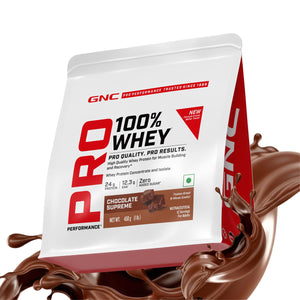
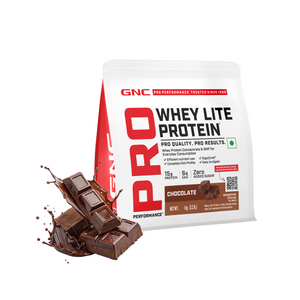
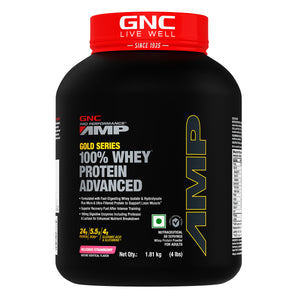
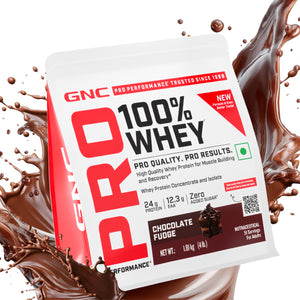
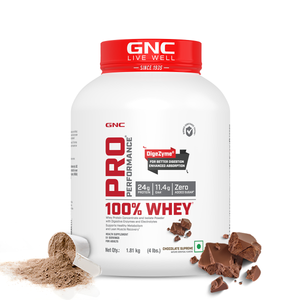
Yes, GNC whey can fit as one protein source in a routine that already suits you. Whey Lite 15gm Protein gives 15g of protein per serving, with zero added sugar.
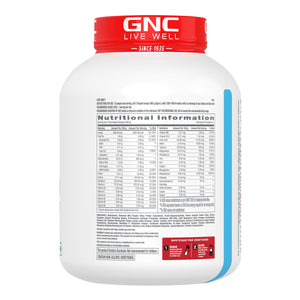
Read these three label lines on any tub first:
- Added sugar, and whether it says "contains naturally occurring sugars", the wording FSSAI requires beside a no-added-sugar claim.
- Carbohydrate per scoop, which shows how much sugar and starch come along.
- The protein source listed first: whether it is concentrate, isolate or milk powder hints at how much lactose is inside.
Our guide to reading a whey protein label walks through each one.
Whey Lite's page answers the first line directly: "zero added sugar but contains naturally occurring sugars".
Its protein blend is skimmed milk powder (SMP) and whey concentrate. Both carry lactose (milk sugar), so it carries more lactose than a whey isolate would. Every batch is third-party lab tested, the page states.
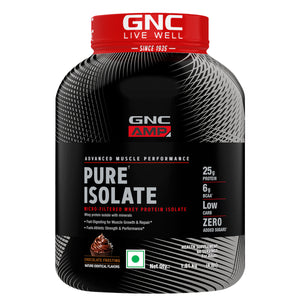
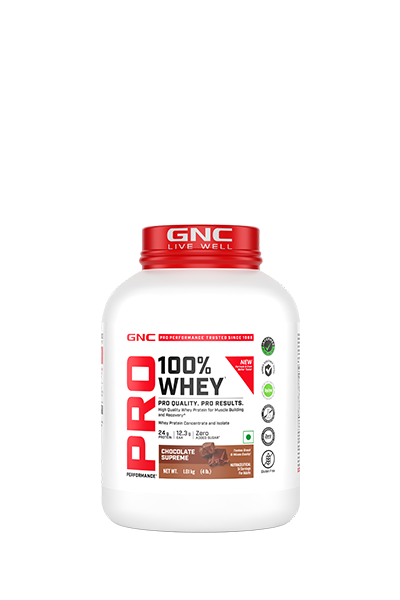
The whey protein range shows the other formats.
The Bottom Line
Whey and PCOS can sit together comfortably. Across the timeline, the trials saw glucose hold steady in the first hour, an improvement in measured insulin sensitivity after a week, and lower fasting insulin on higher-protein diets over months.
None of that makes whey a PCOS medicine, and none of it needs to.
The evidence is small and short, and the longer studies tested whole diets rather than shakes. What whey really offers is convenience: an easy serving of protein on the days your meals fall short, and nothing in these trials suggests you need to fear it if your stomach handles dairy well.
That is the whole case.
So pick a powder with no added sugar and fit it around meals you already eat. Then judge it by how it sits with your stomach and your routine.
Frequently Asked Questions
Q. Can whey make PCOS worse?
A. Whey protein does not look bad for PCOS in the small trial covered here: over a week of daily whey, glucose stayed steady and liver enzymes did not change. Some women find dairy protein upsets their stomach, and isolate carries less lactose than concentrate does. Our guide for lactose-sensitive readers covers other options.
Q. Can a protein shake help with PCOS weight loss?
A. Not on its own. A six-month Danish trial saw 4.4 kg more weight loss on a high-protein diet, but a 2024 review of eight trials found weight loss similar to balanced diets. A shake is one way to add protein to your day, not a weight-loss tool by itself, because both of those studies changed whole diets.
Q. When should you drink whey if you have PCOS?
A. The whey trial covered here gave it shortly before a glucose drink, and that is where its effects were measured. No study here compared a morning shake with an evening one. Outside a trial, pick a time you can keep up. GNC's usage guidance puts it simply: use between meals to help bridge daily protein gaps.
Q. How can you tell if a protein powder has been tested for contaminants?
A. Look for an independent programme such as Informed Choice or NSF Certified for Sport, with a batch report you can match to your tub. These programmes check for banned substances and contaminants, not for hormonal effects. Here is how a batch test report reads.