





Table Of Contents
-
Introduction
-
What Does the Liver Actually Do?
-
Why Modern Lifestyles Put Extra Stress on the Liver
-
Oxidative Stress & Its Impact on Liver Health
-
Where Milk Thistle Fits Into Liver Support
-
How Milk Thistle Supports Liver Function
-
Who May Benefit From Liver Support?
-
Foods That Support Liver Health
-
Daily Habits & Lifestyle Shifts for a Healthier Liver
-
Final Thoughts
More than 1 in 4 adults worldwide is living with a fatty liver and most have no idea. The liver is remarkably patient. It doesn’t send pain signals or demand attention like your heart and lungs do. It simply works, quietly and continuously, processing everything you consume, breathe, and absorb. But that quiet endurance has limits.
Modern life with its late nights, high-stress routines, convenience foods, and constant chemical exposures - is placing more strain on the liver than ever before. This isn’t just about alcohol or disease; it’s about everyday lifestyle choices that accumulate silently over time.
In this blog, we explore why your liver deserves more attention, what science says about the modern threats to liver function, and how targeted nutritional support like milk thistle (silymarin), can play a meaningful role in your long-term wellness.
What Does the Liver Actually Do?
The liver is the second largest organ in the human body and arguably the most functionally diverse. It weighs about 1.5 kg in adults and sits in the upper right abdomen. It acts as the body’s main processing hub, serving as a chemical factory, filtration system, and energy manager all in one.
-
Detoxification
-
Metabolism
-
Immune defence
-
Drug processing
-
Blood sugar regulation
-
Protein synthesis
A healthy liver also produces bile, which is essential for fat digestion. It stores vital vitamins and minerals, including Iron, Vitamin A, D, B12 and Copper. Given this enormous workload, even gradual, lifestyle choices can have significant effects on your overall health.
Why Modern Lifestyles Put Extra Stress on the Liver
Our grandparents would not recognise the way we live today. Fast-paced schedules, processed meals, long hours spent sitting, and increasing environmental stressors have become part of everyday life. These things might seem normal to us, but they can hurt one of the hardest working parts of our body. There are things about modern life that are bad for our liver.
-
Ultra-processed foods (UPFs): A study shows that excess fructose from sugary drinks, packaged juices, and processed snacks is directly linked to liver fat accumulation - a primary driver of fatty liver disease.
-
Alcohol even at moderate levels: Regular alcohol intake requires our liver to break down alcohol, that can directly damage liver cells over time.
-
Chronic psychological stress: Chronic stress elevates cortisol levels, driving liver fat accumulation and inflammation - compounding the damage of poor diet and inactivity.
-
Sedentary Lifestyle: Physical inactivity is a key risk factor for NAFLD (Non-alcoholic Fatty Liver Disease). Without regular movement - glucose and fatty acids that muscles would normally burn, simply accumulate as fat in the liver.
-
Environmental pollutants and medication overuse: Things like pesticides, heavy metals, consumption of medicines, like paracetamol - all route through the liver for detoxification, which make our liver work harder.
-
Poor sleep quality: Poor sleep disrupts your body’s internal clock, slowing liver metabolism and quietly driving up both fat accumulation and inflammation in the liver.
The cumulative burden of all these factors is what makes modern liver stress so insidious. It builds slowly, silently, and without obvious symptoms until significant damage has already occurred.
What Is Silymarin?
Silymarin is a group of flavonolignans, bioactive plant compounds extracted from the seeds of the milk thistle plant (Silybum marianum). The primary active compound within silymarin is silybin, which is responsible for most of its therapeutic effects. The silymarin complex also includes isosilybin, silydianin, and silychristin, all working synergistically to protect and repair liver tissue.
Milk thistle has been used in traditional medicine for over 2,000 years, historically prescribed for complaints related to the liver, gallbladder, and spleen. Today, silymarin is one of the most clinically researched herbal extracts in hepatology.
A 2025 review published in Frontiers in Pharmacology (Sayyad et al.) confirmed that silymarin works through multiple pathways in the body, protecting liver cells from damage, reducing inflammation, fighting harmful free radicals, and even helping prevent the buildup of scar tissue in the liver.
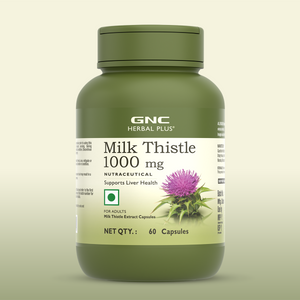
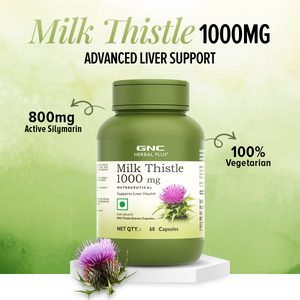
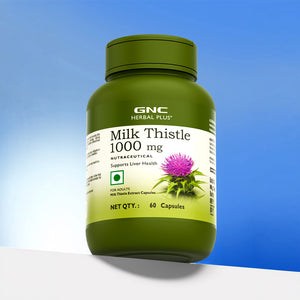
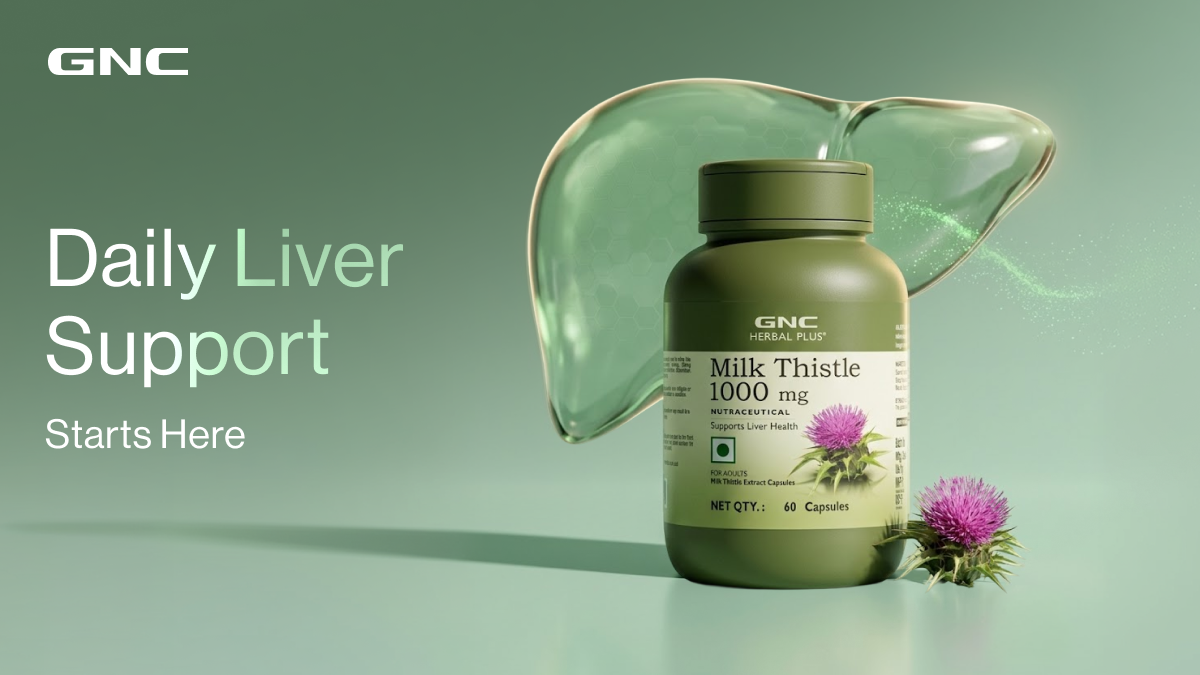
GNC's formula delivers 1000 mg of milk thistle extract per serving, standardized to 80% silymarin content, offering a potent, clinically relevant dose in a convenient daily supplement.
MODERN LIFESTYLE. MODERN LIVER STRESS
Everyday habits that silently add to your Liver’s burden.

Oxidative Stress & Its Impact on Liver Health
Oxidative stress sounds complex - but the idea is simple. When your body is repeatedly exposed to alcohol, processed foods, pollution, and chronic stress, it generates an excess of harmful molecules called reactive oxygen species (ROS) that your liver’s natural defenses simply can’t keep up with.
A widely cited review found that this exact process is a central driver of fatty liver disease, contributing to liver cell damage, mitochondrial dysfunction, and inflammation that can quietly push the liver from mild fat accumulation toward fibrosis Chen Z. et al. 2020.Another research reinforced this, showing that high-fat diets, regular alcohol, and everyday pollutant exposure all significantly add to this oxidative load (Jaeschke 2011).
What makes it particularly dangerous is that the damage accumulates silently - every greasy meal, every stressful week, every night of poor sleep adds a little more to the burden until, without adequate antioxidant support, those small hits add up to something significant.
Where Milk Thistle Fits Into Liver Support
If there’s one plant that has genuinely earned its reputation in liver health, its milk thistle. Used medicinally for over 2000 years, now backed by modern clinical research remains one of the most studied botanicals for liver support in the world. Its active compound, silymarin, works on multiple fronts: shielding liver cells from oxidative damage, calming inflammation, and supporting the liver’s natural ability to repair itself. Think of it as a protective layer for your liver cells - intercepting harmful free radicals before they can cause damage.
A comprehensive review in Phytotherapy Research (2021) confirmed silymarin’s multi-targeted hepatoprotective action across antioxidant, anti-inflammatory, and regenerative pathways. Importantly, milk thistle isn’t positioned as a cure or treatment; it's a scientifically grounded nutritional tool for everyday liver support.
How Milk Thistle Supports Liver Function
Silymarin works on multiple fronts - which is exactly why it’s so well-suited to modern liver stress.
-
Antioxidant activity: As a potent free radical scavenger, it neutralises harmful ROS directly in liver tissue, tackling oxidative stress as its source.
-
Anti-inflammatory effects: It inhibits pro-inflammatory pathways like NF-kB, reducing the hepatic inflammation that drives NAFLD progression.
-
Liver cell membrane stabilisation: Silymarin strengthens liver cell membranes, making them more resistant to penetration by toxins, alcohol metabolites, and everyday medications.
-
Liver cell regeneration: Its primary component, silybin, actively stimulates liver cell regeneration - supporting the liver’s innate ability to repair itself.
-
Improvement in liver enzyme markers: Clinical research found measurable improvements in ALT and AST - the key markers of liver stress - following silymarin supplementation.

Abenavoli. et al. (2010) in the World Journal of Gastroenterology described Silymarin as one of the most comprehensively beneficial herbal interventions for liver health in modern research - hepatoprotective, anti-inflammatory, antioxidative, antifibrotic, and immunomodulating.
Who May Benefit From Liver Support?
Liver support isn’t just for those with a diagnosed condition - anyone whose lifestyle places regular stress on the liver can benefit from proactive care.This includes people who drink alcohol regularly, eat a diet high in processed or fried foods, live sedentary lifestyles, take frequent medications, live in high-pollution environments, or have metabolic risk factors like high triglycerides, insulin resistance, or type 2 diabetes. Chronic stress, poor sleep, and elevated liver enzymes on routine blood work are equally valid reasons to pay closer attention.
That said, liver support supplements are not a substitute for medical treatment - always consult your healthcare professional before adding any supplement to your routine.
Foods That Support Liver Health
Certain foods actively support liver function, reduce oxidative load, and help maintain healthy hepatic fat levels.
-
Cruciferous vegetables - Broccoli, Cauliflower, and Kale contain compounds that enhance the liver's ability to neutralise toxins.
-
Coffee - Even 2-3 cups per day is associated with a significantly lower risk of liver fibrosis and cirrhosis.
-
Turmeric - Curcumin's anti-inflammatory and antioxidant properties help reduce hepatic fat and inflammatory markers in NAFLD.
-
Green tea - Rich in catechins, it's associated with reduced liver fat and improved enzyme levels.
-
Garlic - Contains allicin and selenium, both linked to reductions in liver fat and body weight in NAFLD.
-
Olive oil & omega-3s - Help reduce hepatic triglyceride accumulation and improve insulin sensitivity.
-
Cut added sugars - Sugary drinks and refined sweets drive liver fat accumulation more directly than dietary fat alone.
-
Limit ultra-processed foods - UPFs are the strongest dietary predictor of NAFLD; even partial reduction makes a meaningful difference.
Daily Habits & Lifestyle Shifts for a Healthier Liver
Beyond diet, how you live shapes your liver's long-term health.
-
Maintain a physical activity routine
-
Ensure sound sleep habits
-
Moderate alcohol consumption
-
Consistent 2.5-3L of water per day
-
Perform activities that can help you manage your stress (Yoga/ Breathwork/ Meditation)
-
Mind your medications
-
Always consult a healthcare professional for any supplement guidance
-
Get routine Liver checks
Final Thoughts
The liver is one of the few organs that are capable of remarkable self-regeneration. But that capacity depends on the environment we create through our daily choices. Modern life has quietly raised the bar for what the liver must cope with, and most of us don’t feel it until significant damage is already done. The good news is that the liver responds well to positive change. Better food choices, regular movement, quality sleep, stress management, and targeted nutritional support like milk thistle (silymarin) can make a real, measurable difference.