











Most training routines treat “muscle fuel” and “hydration” as two separate problems. One gets solved with a creatine tub. The other gets solved with a bottle of water, maybe an electrolyte sachet if you remember. But the science tells a different story: These two systems work alongside each other, and addressing both can be especially useful during demanding training.
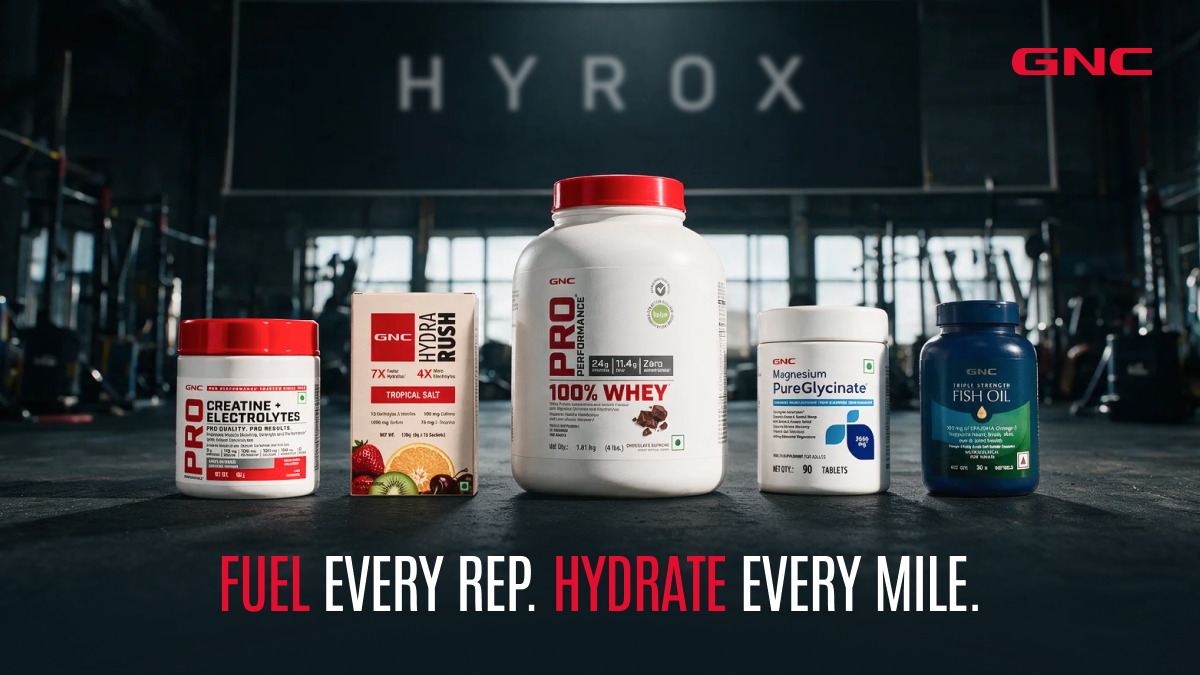
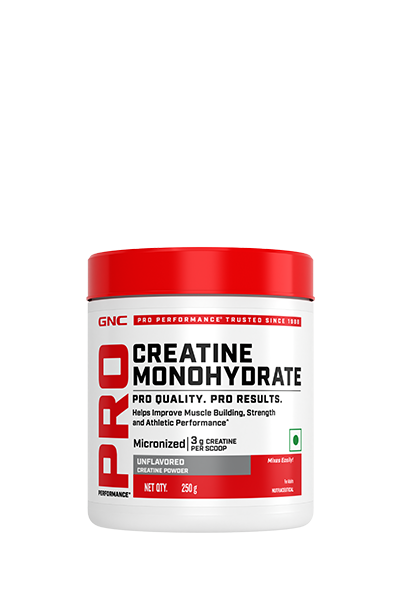
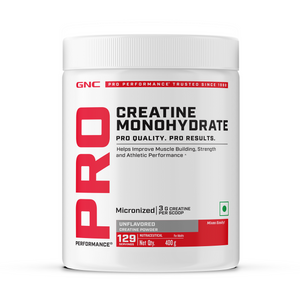
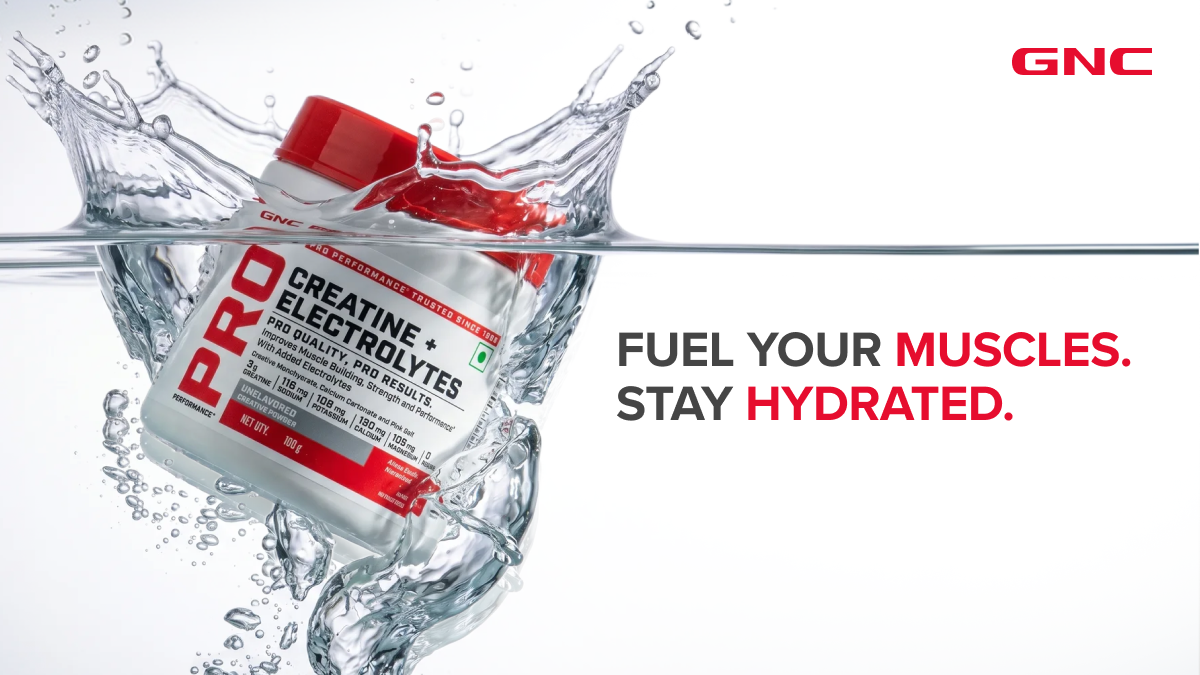
GNC Pro Performance Creatine + Electrolytes is built around that link, one scoop designed to support the muscle’s energy demands while helping replenish key electrolytes lost through sweat. Here’s the research behind why that combination matters more than most people realize, and why treating creatine and hydration as separate line items in your supplement routine might be costing you your performance.
The Muscle Fuel Side: How Creatine Powers Performance
Creatine’s core job in the body is simple: It helps regenerate ATP, the molecule your muscles burn for rapid, high-intensity effort- think heavy sets, sprints, and explosive movements. More available creatine phosphate means faster ATP resynthesis between reps, which is why it remains one of the most extensively studied ergogenic aids in sports nutrition.
A 2025 systematic review published in Quality in Sport pulled together nearly a decade of randomized clinical trials (2017-2025) and confirmed what earlier research had already established: creatine monohydrate supplementation reliably improves muscle strength, supports lean muscle mass gains, and enhances training performance, with additional benefits extending to recovery and exercise capacity. ( Kuźnieców et al., 2025 ).
What’s newer is the growing evidence that creatine’s benefits reach beyond the weight room. Recent studies have also shown that creatine can help improve brain function, not just muscle growth, a good reminder that it does more than just help you "bulk up." These same studies found it also helps with better recovery and overall exercise performance over time, which matters more if you're training consistently for months rather than just looking for quick results from a short cycle. But there’s another part of the equation that matters during hard training: hydration and electrolyte balance. Creatine increases water content within muscle cells, while adequate fluid and electrolyte intake helps support hydration during training. Creatine doesn’t just sit inside your muscle cells; it pulls water in with it. This intracellular water retention is well documented and distinct from the “puffy” subcutaneous water retention that some people mistakenly worry about. This increase in intracellular water contributes to muscle cell volumization and is one of the physiological effects associated with creatine supplementation. A 2025 population-level study using NHANES data examined the relationship between dietary creatine intake and hydration biomarkers, such as plasma osmolality and total body water, in a large, nationally representative sample. The researchers found that creatine intake was meaningfully associated with hydration status. ( Ostojic & Grasaas, 2025 ).
In practical terms, creatine and electrolytes support different but complementary aspects of training: creatine supports energy availability, while electrolytes help replace minerals lost through sweat. This also explains a common beginner's complaint: some people report feeling “flat” or under-recovered in their first week or two of creatine loading, especially if they aren’t deliberately increasing fluid and sodium intake alongside it. The NHANES data suggests this isn’t a coincidence; creatine’s water-pulling effect needs supporting electrolyte intake to actually translate into better cell hydration rather than just redistributing what’s already there. Sweat doesn’t just take water with it; it takes sodium, potassium, chloride, and magnesium too. And how much you lose varies dramatically from person to person. A widely cited study in the Journal of the International Society of Sports Nutrition measured sweat electrolyte concentration in 157 marathon runners and found sodium losses ranging anywhere from roughly 7 to 95 mmol per litre of sweat, nearly a 14-fold difference between the lowest and highest sweat-sodium losers in the same race conditions ( Lara et al., 2016 ). That’s a striking reminder that generic hydration advice doesn’t account for how individually variable sweat losses really are, especially relevant for training and competing in India’s heat and humidity.
More recent work has continued to refine this picture. A 2024 study from the Gatorade Sports Science Institute examined how hydration status affects the way sweat sodium, chloride, and potassium concentrations shift during exercise-heat stress, reinforcing how closely fluid balance and electrolyte loss are tied together during training ( Baker et al., 2024 ).
This is the piece that completes the loop. Creatine increases water content within muscle cells, while sodium and potassium play important roles in maintaining fluid and electrolyte balance. During hard training, particularly in hot and humid conditions, supporting both sides of this equation can be useful. The two compartments, inside the muscle cell and outside it, need to be managed together, not treated as though solving one automatically solves the other. It’s also worth noting that thirst alone isn't always a precise measure of how much fluid and electrolytes you may have lost during prolonged or intense exercise. By the time you feel thirsty, measurable fluid and electrolyte losses have usually already occurred. This is one reason sports nutrition guidance has shifted toward proactive electrolyte intake during and after training, rather than reactive drinking based on how thirsty someone feels. This is the logic behind GNC Pro Performance Creatine + Electrolytes: one part addresses intracellular water and energy availability (creatine), the other addresses extracellular fluid and electrolyte replenishment (sodium, potassium, and supporting minerals).
For anyone training in Indian conditions- long outdoor sessions, high ambient heat, humidity that pushes sweat rates up- that combination can be particularly useful: creatine supports muscle energy and performance, while electrolytes help replenish key minerals lost through sweat.
This formula is especially relevant for: Strength and hypertrophy athletes who want the established performance benefits of creatine without separately managing electrolyte intake HIIT and endurance trainees whose sweat rates are high enough that plain water isn’t fully replacing what’s lost Anyone training through Indian summers or humid conditions, where individual sweat-sodium loss (as the marathon research shows) can vary enormously Athletes on a calorie-controlled or cutting phase, where lower overall food intake can also mean lower incidental electrolyte intake from diet One scoop, taken consistently; timing relative to training matters far less than daily consistency, which is where creatine’s benefits actually come from. Muscle performance and hydration are closely connected during training. Creatine supports the muscle’s energy demands, while electrolytes help replenish minerals lost through sweat. GNC Pro Performance Creatine + Electrolytes brings both into one convenient formula.
Do I still need to drink water separately if I’m taking creatine with electrolytes? Yes. Electrolytes support fluid balance, but they don’t replace the need for adequate daily water intake. Think of electrolytes as supporting fluid and electrolyte balance while you maintain adequate water intake. Will the electrolyte content cause water retention or bloating? This is a common misconception. The water creatine draws into muscle cells is intracellular, inside the muscle tissue itself, which is different from the subcutaneous water retention people associate with excess sodium intake from processed food. In the context of training, this cellular hydration is linked to better muscle function, not a puffy appearance. Is this necessary if I only train for 30-40 minutes at a time? Electrolyte replacement becomes more relevant as session length, intensity, and ambient heat increase. Short, low-intensity sessions in cooler conditions place less demand on your sweat electrolyte losses. But the creatine component of the formula still applies daily, regardless of a single session’s length, since creatine’s benefits build with consistent use over time. Why do I feel a bit off in my first week of taking creatine? This is common, and hydration is often the reason. Creatine can increase water content within muscle cells as your body adapts to supplementation. If you’re training hard or sweating heavily, maintaining adequate fluid and electrolyte intake is also important. Can I take this even if I'm not a serious athlete, just someone who works out regularly? Yes. You don't need to be training for a marathon or competing to benefit. Anyone who sweats regularly during workouts, especially in India's heat, can benefit from covering both the muscle fuel and hydration side of things in one go.The Hydration Side: How Creatine Affects Water in Muscle Cells
Where Electrolytes Come In: Closing the Loop

Why the Combination Works Better Than Either Alone

Who Should Take It, and When
The Bottom Line
Frequently Asked Questions