











HYROX isn’t a run. It isn’t a lift session either. It’s eight 1km runs stitched together with eight functional stations: Sled pushes, Burpee broad jumps, Rowing, Farmer carries, Sandbag lunges, Wall balls, back-to-back, with no real recovery in between. Your aerobic system, your glycolytic system, and your muscular endurance are all being taxed at once, for close to 90 minutes straight.
Most nutrition advice floating around for HYROX is either borrowed from marathon training or from powerlifting, neither of which quite fits. HYROX sits in its own category, and the science on it is finally catching up. Here’s what the research actually says you need to fuel, hydrate, and recover for it and where the right supplementation can close the gaps your diet alone might not.
What Makes HYROX Nutritionally Different
The first proper physiological study on HYROX, published in Frontiers in Physiology in 2025 , tracked eleven recreational athletes through a simulated race and found that most of the event is completed at a high to very high intensity, with performance closely tied to aerobic capacity (VO2 max) and endurance training volume rather than raw strength.
In plain terms: HYROX rewards athletes who can sustain effort under fatigue, not just athletes who can lift heavy.
A separate 2025 review of hybrid fitness competitions backs this up, pointing to aerobic capacity, anaerobic power, local muscular endurance, and maximal strength as the four pillars that determine HYROX performance all four, not just one ( Villarroel Lopez, 2025).
For Indian athletes, this matters even more. Most HYROX training here happens in warm, humid conditions, often in gyms without great ventilation layered on top of dietary protein intakes that frequently fall short of benchmarks. Generic “eat clean” advice doesn’t account for any of this. Here’s what does.
Hydration: Why Water Alone Isn’t Enough
Sweat rate during high-intensity efforts in the heat can climb well past 1 litre an hour, and with it goes sodium, the mineral your body actually needs to hold onto fluid. Research on prolonged exercise in hot conditions has repeatedly shown that replacing sweat losses with plain water, without adequate sodium, causes plasma sodium concentration to drop, which undermines the body’s ability to retain fluid in the bloodstream in the first place ( Journal of Applied Physiology ; European Journal of Applied Physiology, 2022 ).
A more recent 2025 study using wearable sweat sensors confirmed that sodium losses vary hugely between individuals and climb further in humid heat, exactly the conditions most Indian HYROX athletes train in ( Frontiers in Physiology, 2025 ).
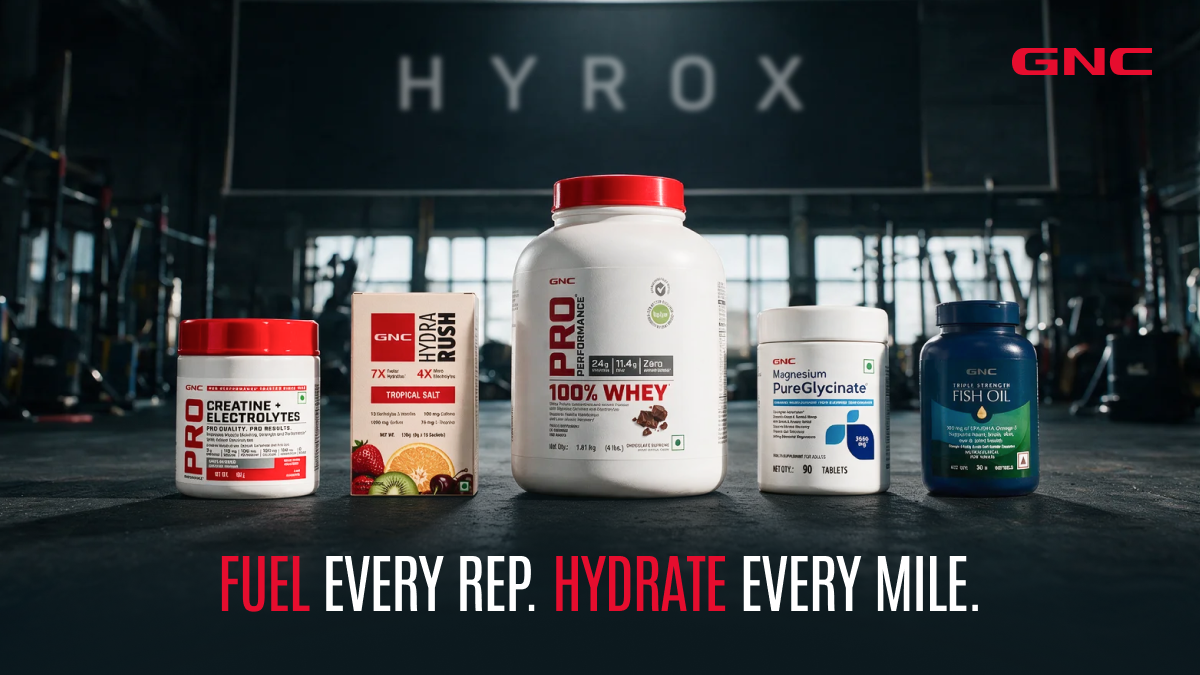
This is precisely the gap GNC HydraRush is built to close, a sodium, electrolyte, and caffeine formulation designed for exactly this kind of fluid-and-mineral loss, whether you're sipping it in the 60-90 minutes before a race or rehydrating through a heavy training block. Since it also contains caffeine, factor that into your total intake on days you're combining it with a pre-workout. It’s a more targeted approach than “just drink more water,” because the research is detailed that the sodium is doing the real work of keeping fluid where your body needs it.
The Other Mineral You’re Probably Under-Rating: Magnesium
Sodium gets most of the attention, but magnesium plays its own role in muscle contraction and relaxation, in energy metabolism, and in recovery quality between sessions. A 2024 systematic review in the Journal of Translational Medicine found that magnesium supplementation in physically active individuals reduced muscle soreness, supported performance, and had a protective effect against exercise-induced muscle damage (Tarsitano et al., 2024).
Worth being upfront about: the evidence on magnesium specifically preventing exercise-induced cramps is mixed, and shouldn’t be oversold. Where the research is more consistent is on soreness and recovery, which, if you’re stacking HYROX simulation sessions on top of regular strength and running work, is arguably the more relevant benefit anyway.
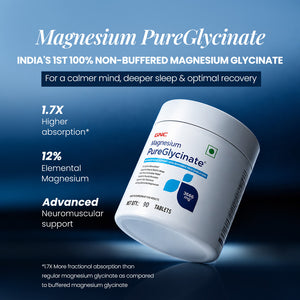
If you've read our recent piece on GNC Magnesium PureGlycinate , a 100% pure, non-buffered Magnesium Bisglycinate formulation, this is where it fits into a HYROX athlete's routine: not as a cramp cure, but as recovery and sleep-quality support that pairs naturally with your sodium replacement strategy.
Protein: Repairing What Repeated Load Breaks Down
HYROX’s mix of sled pushes, lunges, and carries puts a lot of eccentric (lengthening-under-load) stress on your muscles, a different kind of demand than steady-state running alone. A comprehensive 2025 scoping review of nutrition in CrossFit-style training, physiologically the closest comparison we have to HYROX, found that while carbohydrate intake among athletes tends to fall short of recommendations, protein intake is comparatively well managed, and specifically flagged protein as central to recovery and adaptation from this kind of high-intensity functional training ( Martinho et al., 2025) ,Journal of the International Society of Sports Nutrition).
The catch for a lot of Indian athletes: general RDAs (0.8g/kg) are built for sedentary adults, not for people training HYROX-style multiple times a week. ICMR-NIN’s more recent active-adult guidance points meaningfully higher, and most vegetarian diets common across Indian fitness communities need real intent to hit that target through food alone.
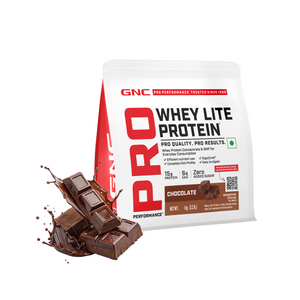
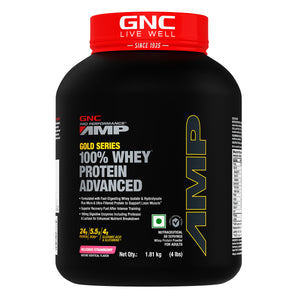
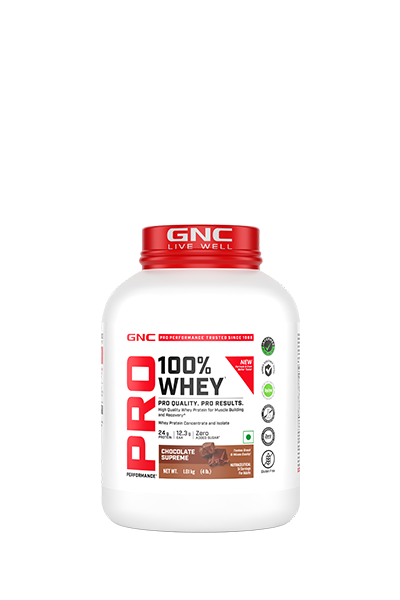
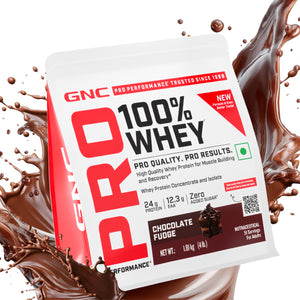
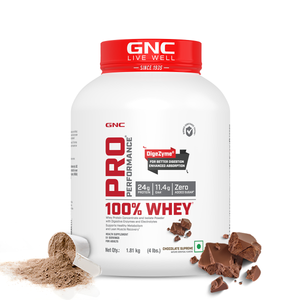
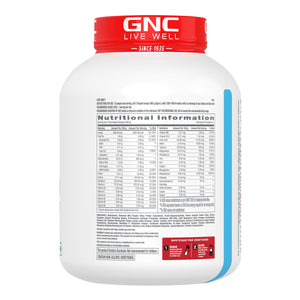
This is where GNC Pro Performance Whey earns its place in a HYROX athlete’s kit not as a meal replacement, but as a fast, reliable way to close the post-session protein gap, especially on days when a proper meal isn’t within reach right after training.
Power Output and Recovery: Creatine, Electrolytes, and Inflammation Control
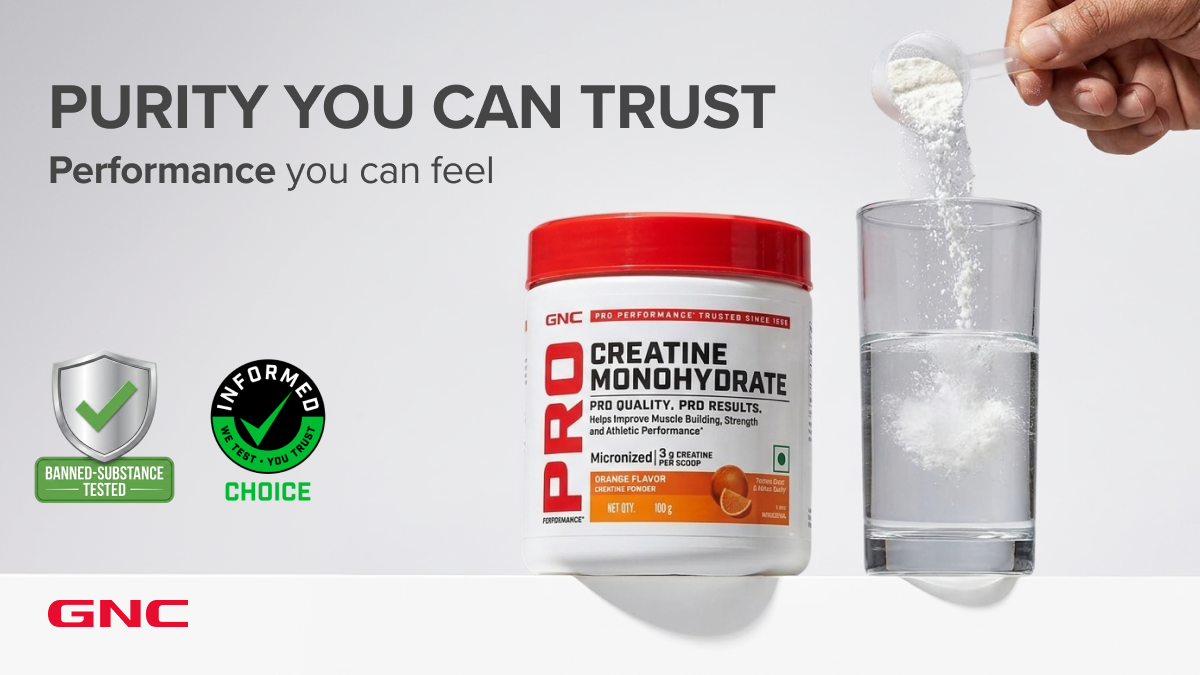
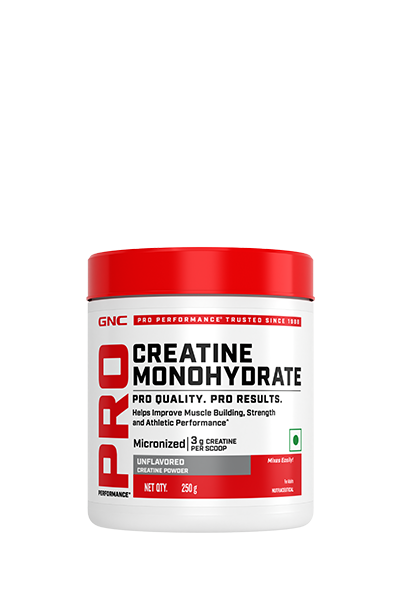
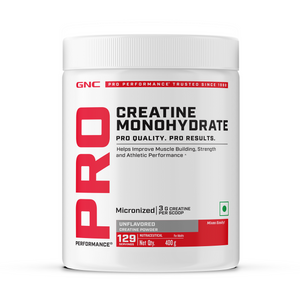
The short, repeated max-effort demands of HYROX stations sled push, burpees, wall balls draw heavily on the phosphocreatine energy system, the same system creatine monohydrate is well established to support. It’s one of the most extensively researched supplements in sports nutrition, and its relevance to HYROX specifically comes down to those repeated high-force efforts layered between long runs, rather than pure endurance output.
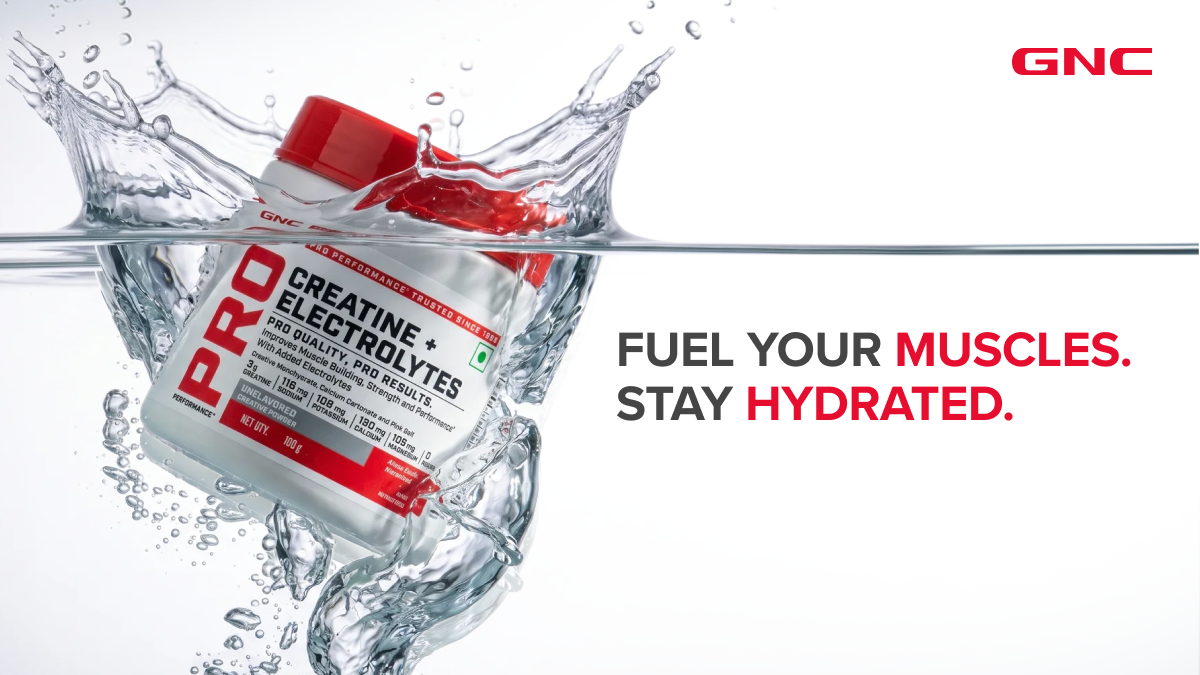
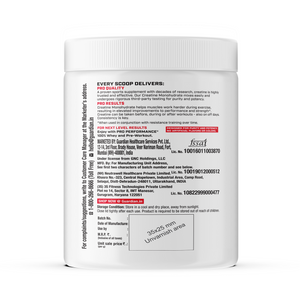
GNC Pro Performance Creatine + Electrolytes is built around exactly this dual demand, supporting power output through creatine while addressing the same sodium and mineral losses, in a single product. If you’re already following our earlier deep-dive on creatine and strength training plateaus, this is the same mechanism applied to HYROX’s stop-start intensity profile.
Power output is only half the recovery story, though. The eccentric load from sled work, lunges, and carries across a training block adds up to real inflammatory stress, and managing that is as much a part of performing well next week as protein and creatine are.
Omega-3s from GNC Triple Strength Fish Oils support that side of recovery, helping manage training-induced inflammation between sessions rather than doing anything on race day itself.

Race-Day Fueling Window
-
60-90 minutes before: A light carbohydrate source with sodium; avoid heavy fibre or fat, which slows gastric emptying and increases bloating risk right when you don’t want it.
-
During the race: Mostly relevant for doubles or longer relay categories, a small carb or electrolyte top-up between stations is enough; HYROX’s Individual Open format is generally too short to need mid-race fuelling for most recreational athletes.
-
Post-race: A combined protein-and-carbohydrate intake within the recovery window supports both glycogen replenishment and the muscle repair process that starts almost immediately after you cross the line.
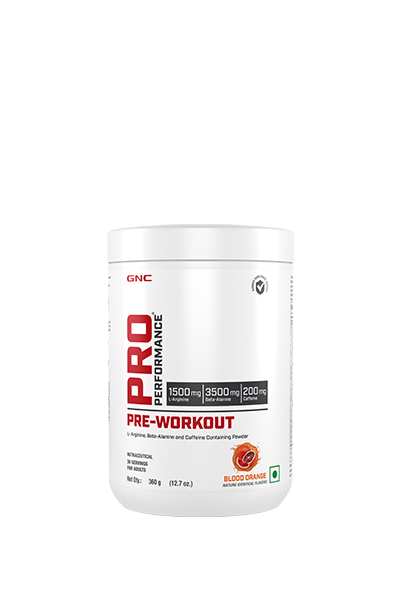
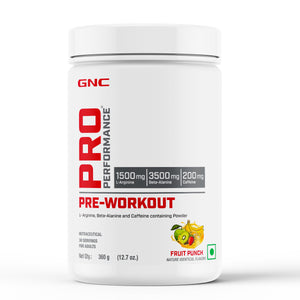
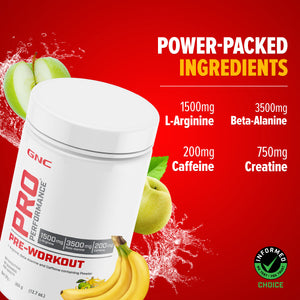
If you’re doing dedicated HYROX simulation sessions in training, GNC Pro Performance Pre-Workout can serve as a controlled caffeine-and-carb primer beforehand, not something to introduce for the first time on race day itself.
Final Thoughts
HYROX asks a lot from your body: aerobic capacity, repeated power output, and muscular endurance, all in the same 90 minutes. Getting the nutrition right isn’t complicated once you break it down: sodium and magnesium for hydration and recovery, protein for repair, creatine for power output, and a fuelling window that respects what your gut can actually handle on race day. Get those five pieces in place, and the training you’re already doing will show up on the clock.
Frequently Asked Questions
1. Do I need to eat during a HYROX race?
For most recreational athletes in the Individual Open category, no, the race is typically completed within 60-90 minutes, which doesn’t require mid-race fuelling for most people. Pre-race and post-race nutrition matter far more.
2. How much water vs. electrolyte drink should I have before HYROX?
Research consistently shows sodium-containing fluids are more effective than plain water at maintaining plasma volume during heat and high-intensity exercise. A sodium-based electrolyte drink in the hour before racing is a more reliable strategy than water alone.
3. Is creatine safe to take daily while training for HYROX?
Creatine monohydrate is among the most researched sports supplements available, with a well-established daily-use safety profile in healthy adults. As always, check with a physician if you have any pre-existing kidney condition.
4. How much protein do I need on heavy HYROX training days?
Athletes training at HYROX intensity generally need well above the standard 0.8-1g/kg RDA, closer to the 1.6-2.2g/kg range typically recommended for high-intensity functional training, adjusted for your individual training load.
5. Can magnesium help with muscle cramps during long training blocks?
The evidence here is genuinely mixed; magnesium hasn’t been consistently shown to prevent exercise-induced cramps specifically. Where it does show more consistent benefit is in reducing muscle soreness and supporting recovery, which matters just as much across a demanding training block.