












You've been taking magnesium for weeks. Maybe months. You picked it because everyone said it would help with sleep, stress, nagging muscle cramps, and the 3 a.m. wake-ups that never used to happen. And yet... nothing's really changed.
So you start to wonder. Is the supplement doing anything at all? Or is the problem something else entirely, just a mismatch between what your body needs and what you happened to pick up off the shelf?
Here's the thing: "adulterated" and "ineffective" are not the same problem, even though they get talked about as if they are. One is about purity and honesty in manufacturing. The other is about whether the product, even if perfectly clean, would ever have worked for you in the first place. A lot of people troubleshoot the wrong one, assuming they got a bad batch when really, they got the wrong form, the wrong dose, or the wrong timing.
This isn't about scaring you off magnesium. It's about helping you ask better questions; of your labels, your symptoms, and the supplement industry itself, so you can actually tell the difference between a product that's failing you and one that was never going to work the way it was marketed.
What Does "Adulterated" Actually Mean in Supplements?

In simple terms, adulteration means what’s inside the bottle doesn’t match what’s printed on the label, whether that’s through dilution, substitution, contamination, or quietly cutting corners during manufacturing.
It shows up in a few common ways:
-
Underdosing: the label says 200mg, but lab testing finds significantly less in the actual capsule.
-
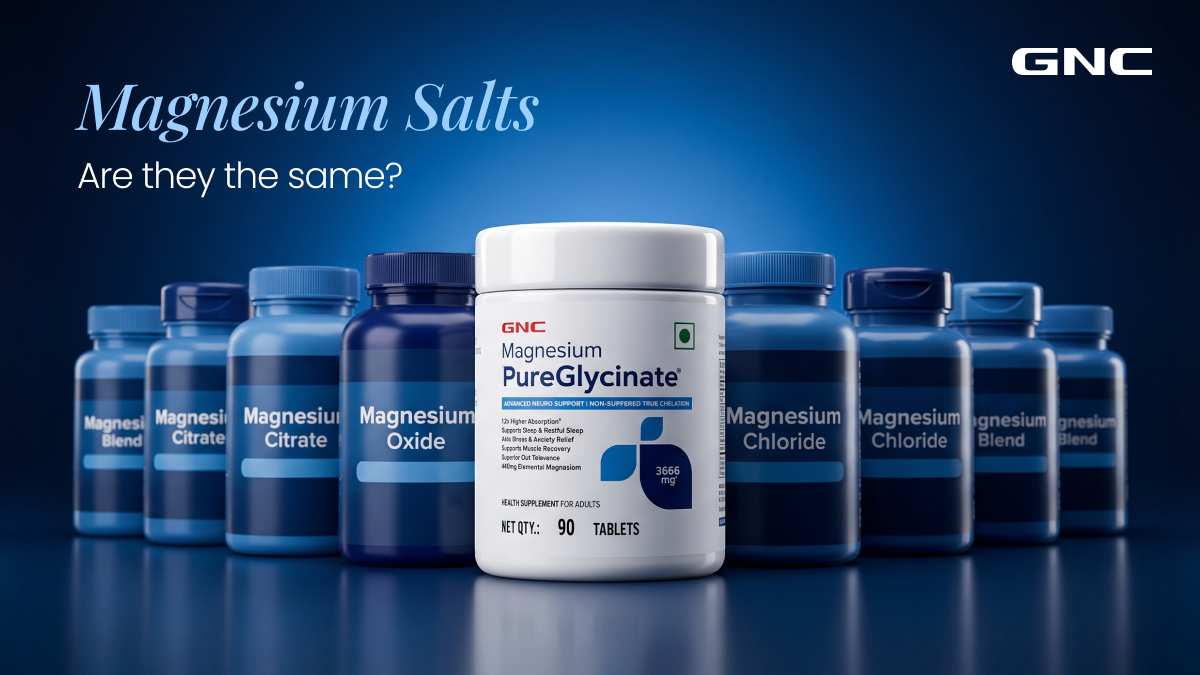
Form substitution: a cheaper compound (say, magnesium oxide) gets used while the label implies or claims a more bioavailable form.
-
Fillers and binders: additives that bulk up the product or extend shelf life, sometimes at the cost of how well your body absorbs the actual mineral.
-
Heavy metal contamination: not usually intentional, but a byproduct of sourcing raw material from soil or rock that’s contaminated, then never properly tested.
And this isn’t a fringe concern. Researchers using X-ray powder diffraction to analyze magnesium-containing supplements found that in some products, the magnesium compound declared by the manufacturer simply wasn’t present; the lab found a different compound entirely from what the label claimed. The study’s authors noted this method could reliably distinguish counterfeit or mislabeled products from genuine ones, which says something important: this isn’t a guessing game. It’s verifiable.
Why does it happen? Mostly economics, not malice. Cheaper raw ingredients cost less to source. Skipping third-party testing saves money. Supplements also aren't held to the same pre-market scrutiny as pharmaceuticals, so quality often comes down to how seriously a brand takes it on its own, long before any test results enter the picture.
The "Ineffective" Problem Is Separate And Just as Common
Adulteration and ineffectiveness often get blamed on the same villain, but they’re not the same problem. A magnesium supplement can be completely pure, exactly what the label says, no contamination, no shortcuts, and still do nothing for you.
This isn’t theoretical. A 2026 study compared the bioavailability of different magnesium sources, including magnesium oxide and commercial magnesium bisglycinate, examining how well each form was absorbed and how it affected gene expression linked to magnesium transport at the cellular level. Two perfectly legitimate, unadulterated products, same mineral, same intention, yet built to behave completely differently once they reach your gut.
So even setting aside contamination, three things tend to separately tank effectiveness:
The biggest reason is the wrong form of magnesium for what you’re trying to fix. Magnesium oxide, for instance, is cheap and common but poorly absorbed, so a lot of it just passes through rather than being used.
The second is dose is too low to do anything; even a clean, correctly labeled product can fall short of the amount your body actually needs to notice a difference.
The third is timing or interactions; taking magnesium alongside excess calcium, or certain medications, can block absorption regardless of how good the product itself is.
How to Spot a Low-Quality Magnesium Supplement?

You don’t need a lab to start filtering out the bad ones. A label, read carefully, tells you most of what you need to know.
Does it list the form of magnesium clearly? If a product just says “magnesium” without naming the compound, glycinate, citrate, oxide, whatever it is, that’s worth pausing on. Reputable brands name the form because they know it matters; vague labeling is often a sign the form wasn’t worth highlighting in the first place.
What’s the elemental magnesium per serving, not just the compound weight? This trips up a lot of people. A label might say “1000mg magnesium glycinate,” which sounds impressive, but elemental magnesium (the part your body actually uses) is only a fraction of that compound's weight. Look for the elemental magnesium figure specifically, not the total compound weight.
Are there unnecessary fillers, artificial colours, or additives? A short, recognizable ingredient list is generally a good sign. Long lists of stabilizers, dyes, and bulking agents don’t necessarily mean a product is harmful, but they’re often where cost-cutting hides, and some additives can interfere with how well the mineral itself gets absorbed.
None of these checks requires special equipment, just a few extra seconds with the label before you buy.
What a Clean, Effective Magnesium Actually Looks Like
A well-made magnesium supplement makes this easy to check. The form is named clearly; not just "magnesium," but the exact compound. The elemental magnesium is listed separately from the compound weight, so you know exactly what you're getting. And the ingredient list stays short, with nothing hiding in there as filler.
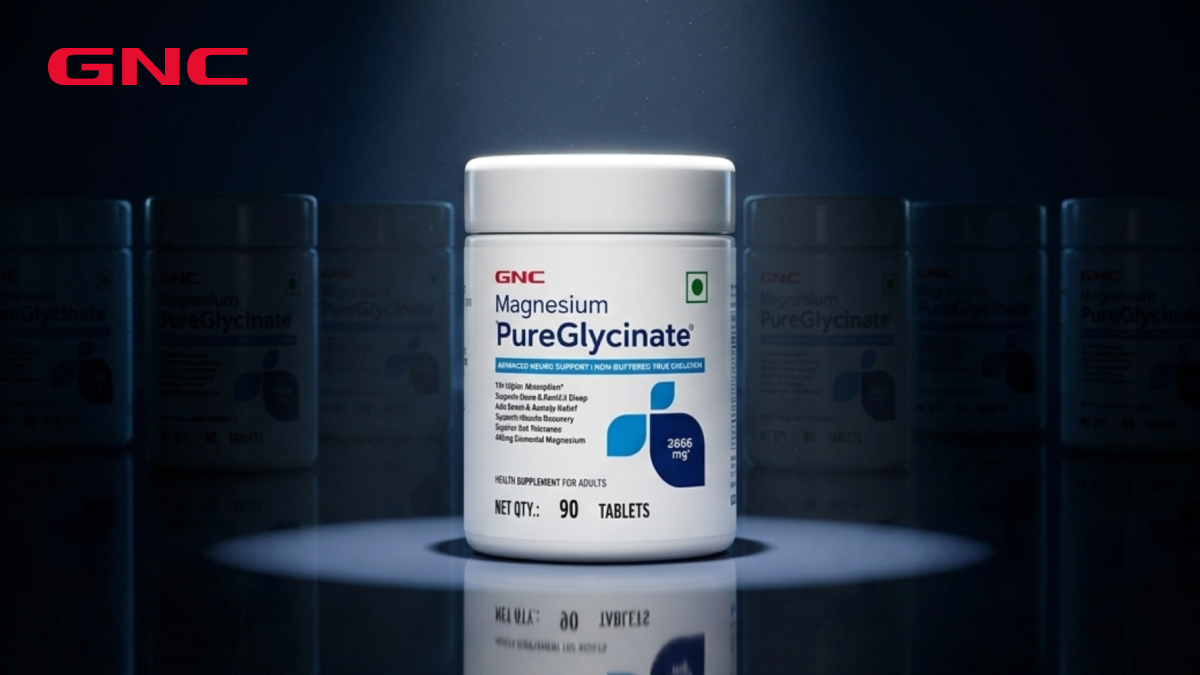
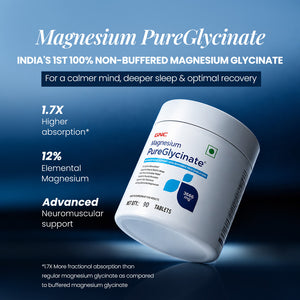
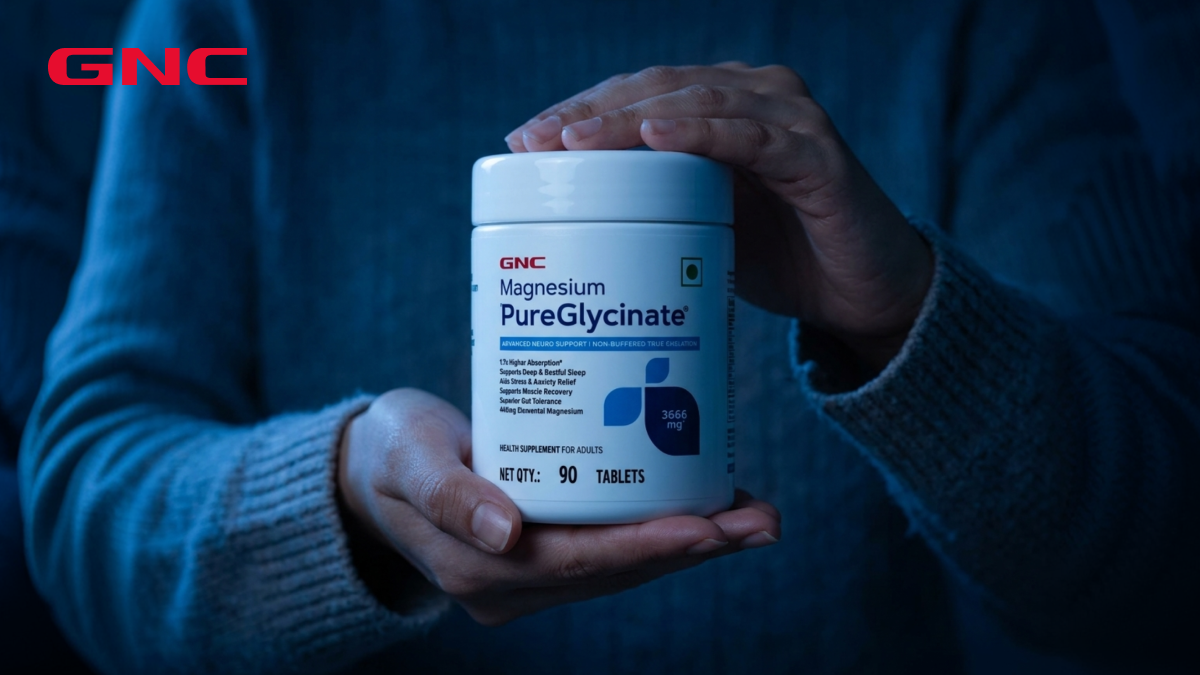
GNC Magnesium PureGlycinate checks every one of these boxes. Beyond just being clean and clearly labelled, this is a formula built to actually do something once it's in your system.
- 1.7x higher absorption: The non-buffered, true chelation formula means more of the magnesium you're taking actually gets used, instead of passing through unabsorbed.
- Supports deep, restful sleep: Magnesium plays a role in regulating the nervous system processes that help you wind down and stay asleep, not just fall asleep.
-
Aids stress and anxiety relief: Magnesium is involved in modulating the body's stress response, which is part of why low levels are often linked to feeling persistently on edge.
-
Supports muscle recovery: Relevant for anyone dealing with cramps, tension, or post-workout soreness, since magnesium is involved in muscle relaxation and function.
-
Superior gut tolerance: The non-buffered glycinate form is gentler on digestion compared to forms like magnesium oxide or citrate, which are more likely to cause stomach upset.
-
440mg elemental magnesium per serving: A dose substantial enough to actually move the needle, not just a token amount for the label.

Final Thoughts
Adulteration and ineffectiveness aren't the same fight, but they're both worth fighting. One is about whether you can trust what's in the bottle. The other is about whether what's in the bottle would ever have worked for you in the first place. A clean label doesn't guarantee results, and a popular brand doesn't guarantee purity; the only way to really know is to read past the front of the box.
The good news is, you don't need a lab coat to do this. Check the form. Check the elemental dose. Check the ingredient list. Give it a few honest weeks and pay attention to what actually changes. That's it.
If you're starting fresh or switching from something that hasn't worked, GNC Magnesium PureGlycinate is built around exactly the things this checklist asks you to look for: a named form, a clearly stated elemental dose, and a formula designed for better absorption from the start.