











Table Of Contents
- Introduction
- What Is Plant Protein Isolate?
- Plant Protein Isolate vs. Plant Protein Concentrate
- More Protein, Less Filler: What Does It Mean?
- Benefits of High-Protein Plant Isolate
- Choosing a High-Quality Plant Protein Powder: What to Look For
- Who Should Use High-Protein Plant Isolate?
- Frequently Asked Questions About Plant Protein Isolate
- Final Thoughts
Walk into any supplement store and you’ll find dozens of plant protein powders, each promising something different - more muscle and cleaner nutrition blends. But upon flipping the label over, a pattern emerges: a surprising chunk of that scoop often comes from carbohydrates, fats, sweeteners, or fillers rather than actual protein.
That’s where high-protein plant isolates earn their place. By concentrating the protein and stripping out the extras, a quality plant-based powder gives you more of what you’re actually paying for. When you’re focused on muscle recovery, staying active, or just eating smarter, what’s in your protein powder matters as much as the number on the label.
Modern nutrition science has also shifted the conversation - it’s no longer just about how much protein you consume, but how good it is. The Food and Agriculture Organization (FAO) now evaluates protein quality using the DIAAS score, which accounts for both amino acid profile and digestibility. In short, the real value of a protein isn’t just in the grams - it’s in how efficiently your body can actually use them.
What Is Plant Protein Isolate?
Plant Protein Isolate is a purified, concentrated form of plant-based protein, typically made from peas, brown rice, soy or fava beans using filtration processes that strip away most of the starch, fiber, and fat. What’s left is an ingredient that’s usually 80-90% protein by weight.
A simple way to think about it: whole legumes are the raw material, protein concentrate is the rough cut, and isolate is the finished product. It keeps what you want - the protein - while reducing many of the components that dilute protein density. This doesn’t mean that carbohydrates or fats are “bad”, both matter in a balanced diet.
However, for people specifically looking to increase protein intake without adding extra calories or unnecessary additives, a plant protein isolate offers a more efficient option. Food science research on pulse proteins also highlights that modern isolation techniques not only increase protein concentration, but also improve functionality in nutritional products, including texture and blendability.
Plant Protein Isolate vs. Plant Protein Concentrate
Despite being used interchangeably, concentrate and isolate aren’t the same thing. A concentrate goes through minimal processing, so it holds onto more of the original carbohydrates, fats, and fiber. An isolate takes things further - additional filtration strips away those components, leaving behind a much higher proportion of pure protein.
|
Feature |
Plant Protein Concentrate |
Plant Protein Isolate |
|
Protein Content |
~50-80% |
~80-90% |
|
Carbohydrates |
Higher |
Lower |
|
Fat Content |
Higher |
Lower |
|
Processing |
Minimal |
Additional filtration |
|
Best For |
General nutrition |
High-protein supplementation |
More Protein, Less Filler: What Does It Mean?
“More protein, less filler” gets thrown around a lot in sports nutrition. Simply put, it means more of your scoop of protein and less of it is added sugars, starches, bulking agents, or ingredients that don’t serve your goals. A well-made plant protein powder delivers what you came for, without padding the formula unnecessarily.
That said, not every extra ingredient is a filler. Natural flavours, stabilizers, and similar additions serve a real purpose - taste and texture matter. The goal is a clean, honest formula that keeps protein front and center without an unnecessary long ingredient list.
One habit worth developing: stop reading the front label and start reading the back. Instead of asking how big is the scoop, ask how much of this scoop is actually protein? That one shift tells you a lot more about what you’re buying.
Benefits of High-Protein Plant Isolate
-
Delivers More Protein Per Scoop
The most straightforward advantage of a plant protein isolate is efficiency. With excess carbohydrates and fat filtered out, each serving packs more protein without a significant calorie increase - making it easier for active individuals, vegetarians, and older adults to consistently hit their daily protein targets.
-
Supports Muscle Growth and Recovery
Protein is essential for repairing and rebuilding muscle after exercise. While whey has long dominated sports nutrition, research is steadily closing the gap. A review in the Journal of Nutrition found that well-formulated plant protein blends can support muscle protein synthesis and exercise adaptations comparable to animal-based sources. Further supporting this, a randomized trial found that pea protein produced muscle thickness gains similar to whey over an eight-week resistance training program.
-
Provides a Better Amino Acid Profile
Total protein grams only tell part of the story - the body needs all nine essential amino acids, and the source matters. Many quality plant proteins address this by combining complementary sources like pea and rice protein. Pea protein brings lysine to the table; rice protein fills in with sulfur-containing amino acids. Together, they cover each other’s gaps. A review in Nutrients confirms that blending plant protein sources is an effective strategy for improving overall amino acid quality in vegan and vegetarian diets.
-
Lower in Carbohydrates and Fats
Because isolates go through additional filtration, they naturally contain less carbohydrate and fat than concentrates. For anyone focused on maximizing protein per calories, that’s a meaningful difference - more of every scoop goes directly toward your protein goals, which is why isolate-based formulas tend to be the preferred choice among athletes and fitness-conscious consumers.
Choosing a High-Quality Plant Protein Powder: What to Look For
With so many options out there, picking the right plant protein powder can feel like a guessing game. A quick look at the label can tell you a lot about the quality of the formula.
Look for:
- 20-25 grams of protein per serving from high-quality plant sources
- Plant protein sources listed in the label
- Minimal added sugars and unnecessary bulking agents
- Digestive support ingredients
- Transparent labelling and third-party testing are good signs that a brand stands behind what’s in the formula
A simple rule: If the ingredient list is short, readable, and protein is clearly leading the scoop rather than fillers, you’re probably looking at something worth buying.
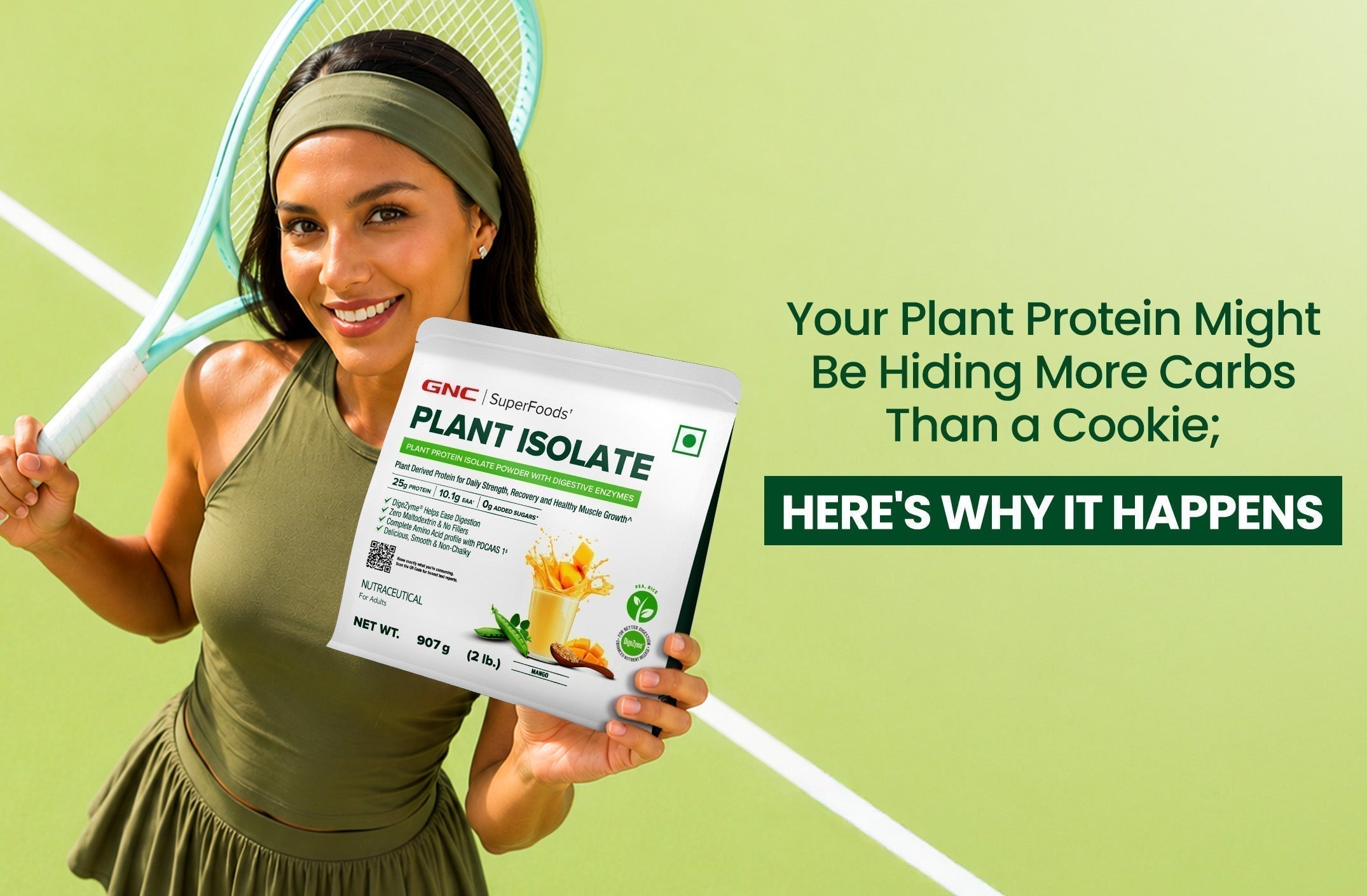
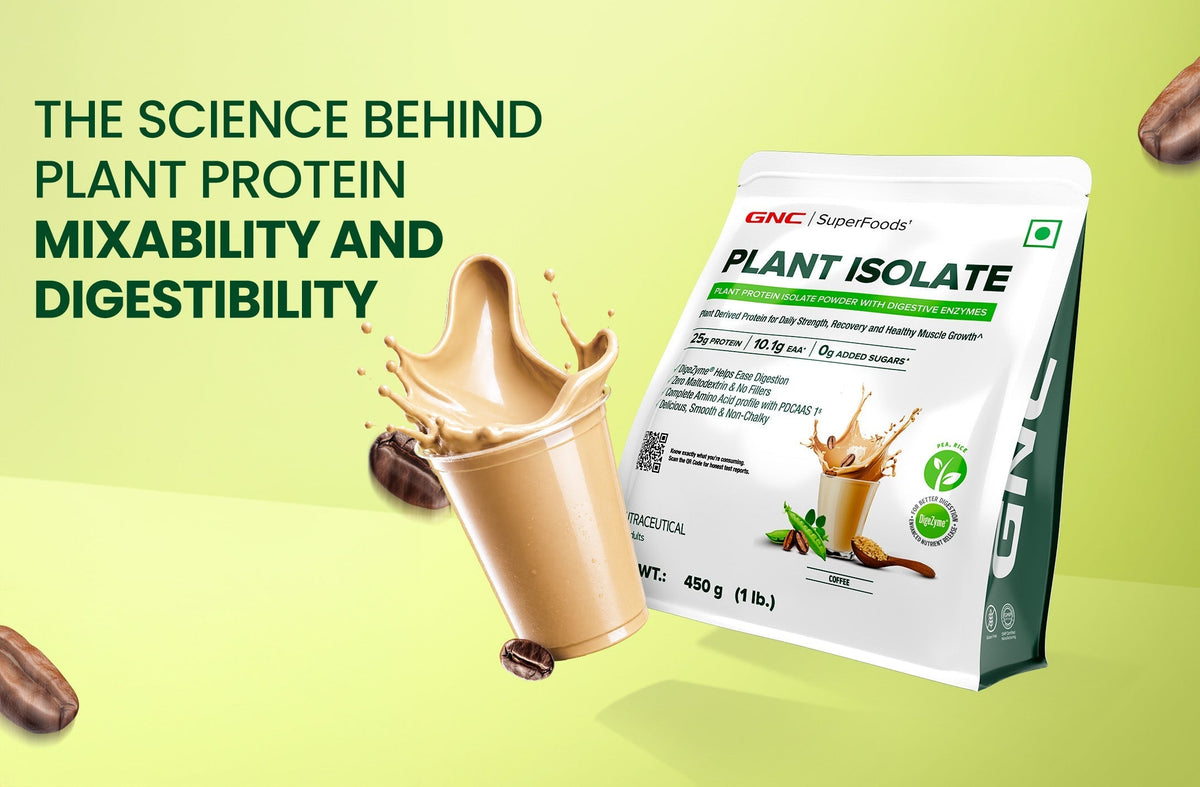
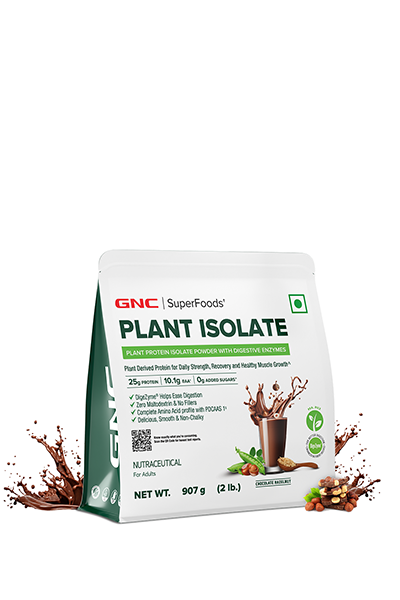
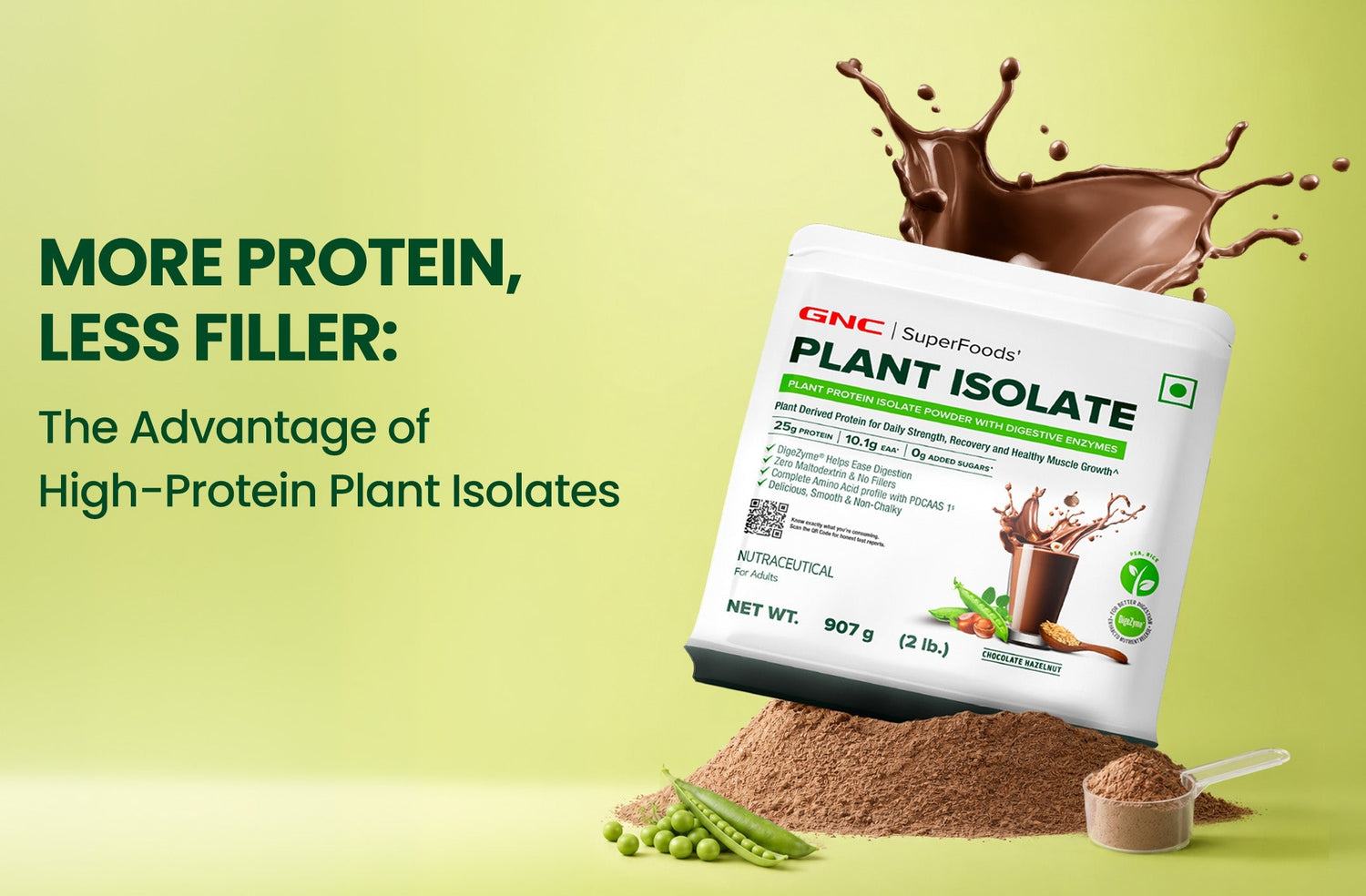
GNC Superfood Plant Isolate is one example of a formulation that aligns with many of these criteria. It gives 25 grams of plant protein per serving, uses a blend of high-quality plant protein sources, and includes DigeZyme (a patented multi-enzyme complex containing amylase, protease, lactase, lipase, and cellulase) to support a smoother digestive experience. Combined with its clean-label approach, it reflects the growing trend toward plant based protein powders that prioritize protein density, ingredient transparency, and digestive comfort alongside nutritional quality.
Who Should Use High-Protein Plant Isolate?
A high-quality plant based protein powder can be a practical option for many people—not just athletes. It may be especially useful for:
- Individuals following vegetarian or vegan diets.
- People who avoid dairy or are lactose intolerant.
- Fitness enthusiasts looking to support muscle recovery.
- Busy professionals who need a convenient protein source.
- Older adults aiming to maintain healthy muscle mass as part of active aging.
Ultimately, the best protein supplement is one that fits comfortably into your lifestyle while helping you consistently meet your daily protein needs.
Final Thoughts
Choosing a protein supplement isn’t about chasing the biggest number on the front of the bag - it’s about knowing what’s actually in the scoop. A high-quality plant protein isolate cuts through the noise: more protein, fewer unnecessary ingredients, and a formula that actually works for your goals.
Science is catching up too. Well-formulated plant proteins are proving themselves as serious contenders for muscle health and everyday nutrition - not just alternatives for vegans, but smart choices for anyone who cares about what they put in their body.
Pay attention to protein quality, amino acid profile, and ingredient transparency. When you do, the right product becomes pretty easy to spot - and so does the difference it makes.
Frequently Asked Questions About Plant Protein Isolate
1. Can plant protein support muscle growth?
Yes. Research shows that consuming adequate amounts of high-quality plant based protein, especially when paired with resistance training, can effectively support muscle growth and recovery. The key is meeting your total daily protein and essential amino acid requirements.
2. Is plant protein isolate a complete protein?
Some plant proteins naturally contain lower amounts of certain essential amino acids. However, many modern plant based protein powders combine complementary protein sources, such as pea and rice, to provide a more balanced amino acid profile and function as a complete protein source.
3. Is plant protein easier to digest than whey protein?
Many people find plant based protein powder easier to digest, particularly those who are lactose intolerant or sensitive to dairy. In addition, some formulations include digestive enzymes to further improve comfort and absorption.
4. Who should consider using a plant protein powder?
A plant protein powder can be a great option for vegetarians, vegans, people avoiding dairy, athletes, active individuals, and anyone looking for a convenient way to increase their daily protein intake. It can also fit well into a balanced diet for those simply seeking a cleaner, plant-based nutrition option.