











The popularity of plant protein has grown rapidly over the last few years, whether driven by fitness goals, dietary preferences, sustainability concerns, or digestive comfort, more consumers are choosing a plant based protein over traditional whey or casein options. But while protein quantity often grabs attention, two factors can dramatically influence the overall experience and effectiveness of a supplement - mixability and digestibility.
Have you noticed that some protein shakes blend effortlessly into a smooth drink while others leave behind a gritty texture or settle at the bottom of the shaker? Or perhaps you’ve experienced bloating or heaviness after consuming certain protein supplements. The answer lies in the science of ingredient selection processing technologies, and formulation.
In this blog, we explore why mixability and digestibility matter, what influences them, and how modern innovations have transformed the experience of using a plant-based protein powder.
Why Mixability and Digestibility Matter
Most people pick a plant protein powder based on three things - protein content, flavour, and calories. However, the way a protein mixes and how well the body digests it are equally important.
Good mixability ensures that the powder disperses evenly in water or milk without forming lumps or sediment. Texture directly affects taste and mouthfeel, and if a shake is unpleasant to drink, consistency goes out the window. Research in food science suggests that particle size, protein solubility, and processing techniques all influence the rehydration and dispersion characteristics of powdered proteins.
Digestibility, on the other hand, determines how effectively your body can break down the protein into amino acids and absorb them for muscle repair, recovery, and overall health. Poorly digestible proteins may reduce amino acid availability and can sometimes contribute to digestive discomfort, particularly in individuals with sensitive stomachs.
A high-quality plant based protein should therefore deliver more than just grams of protein - it should also provide a pleasant drinking experience and support optimal nutrient utilization.
The Science Behind a Smoother Plant Protein
One of the biggest complaints about early plant proteins was the texture - chalky, gritty, and not particularly enjoyable to drink. Unlike whey proteins, many plant-derived ingredients naturally contain fibre and structural compounds that don’t dissolve well in water. Fortunately, advances in food technology have significantly improved this.
The smoothness of a plant protein powder depends on several factors:
-
Protein Source
Different plant proteins behave differently in liquid. Pea protein tends to produce a creamier texture and carries a solid amino acid profile, while brown rice protein brings additional nutrients to the table and blends well when paired with other sources. Using complementary proteins together generally improves both the nutritional value and the overall mouthfeel of the final product. -
Protein Isolation Technolog
Modern isolates go through advanced filtration and purification processes that strip out excess starches, fibres, and other non-protein material. This raises the protein concentration while also making the powder easier to disperse and significantly less gritty.
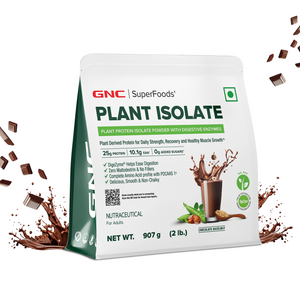
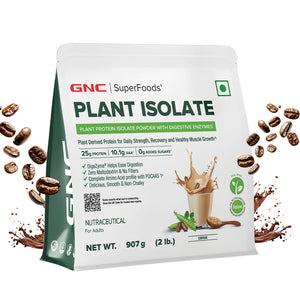
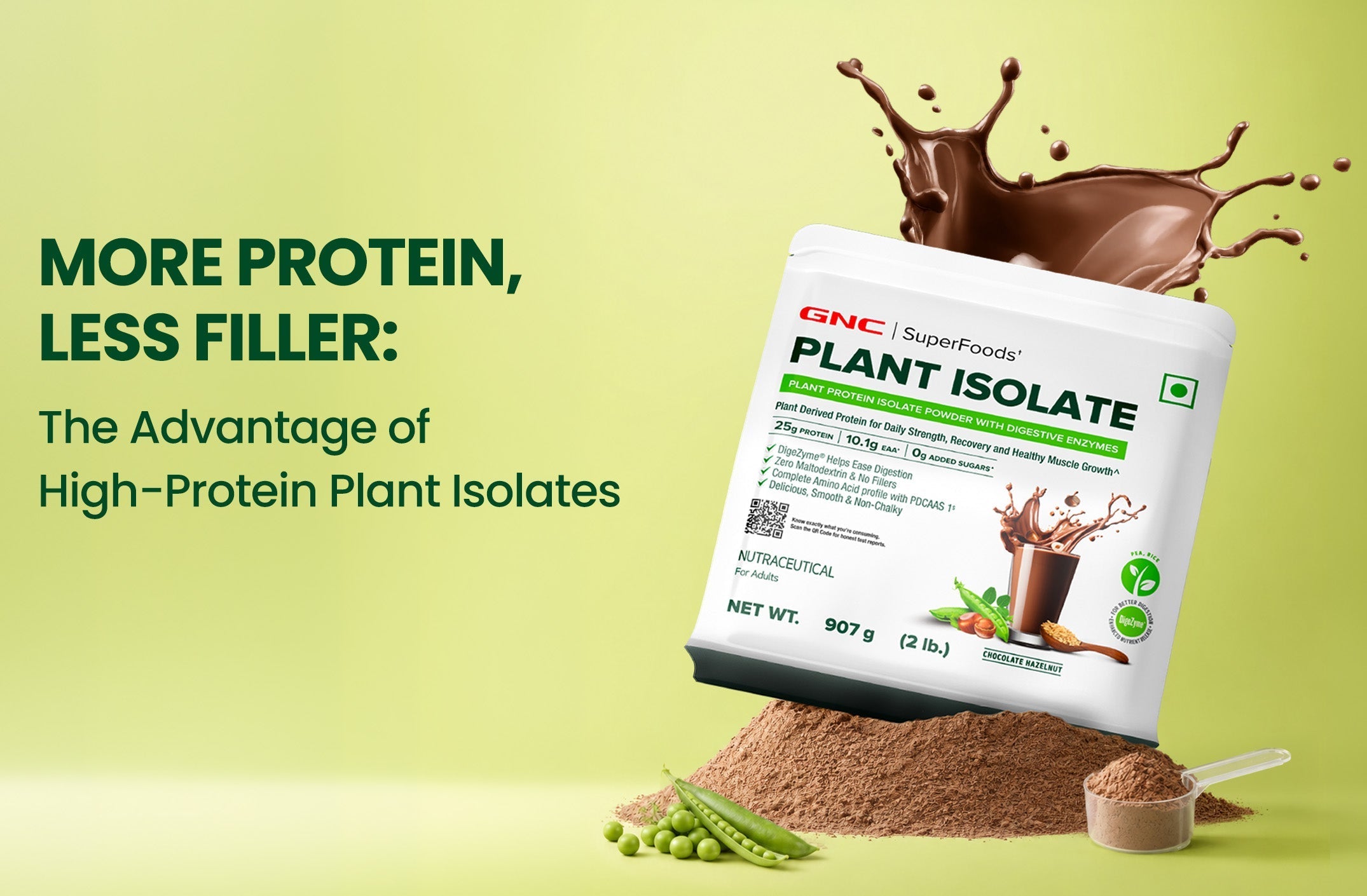
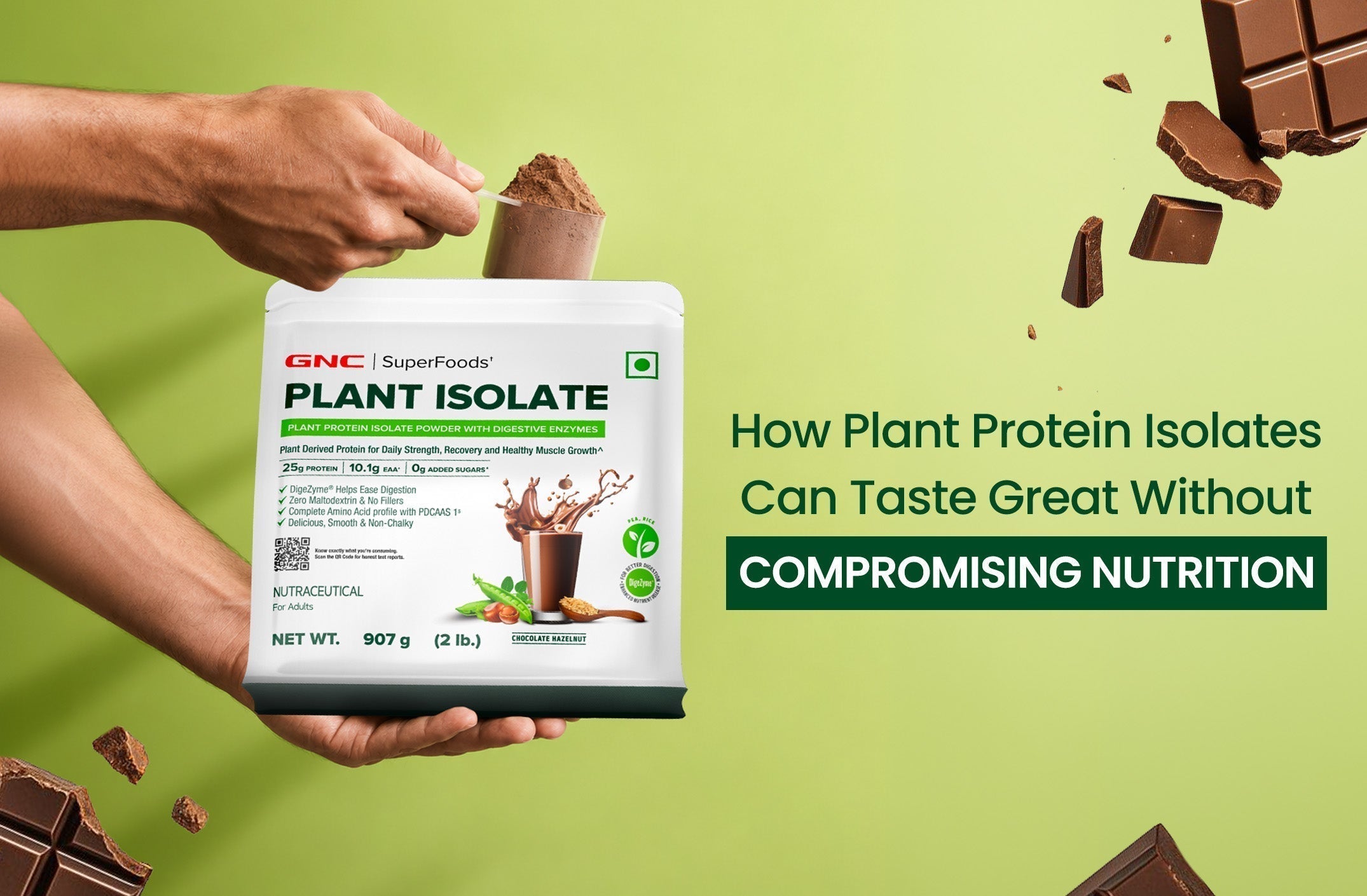
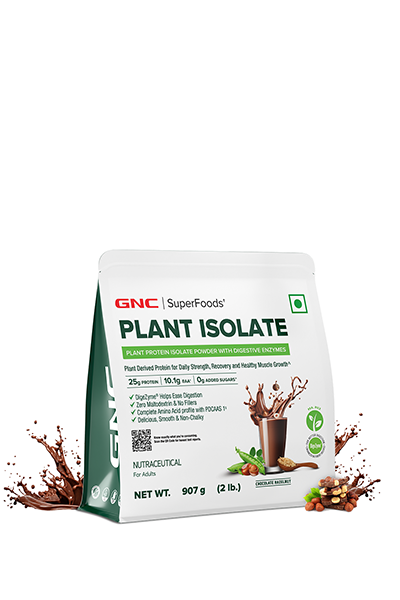
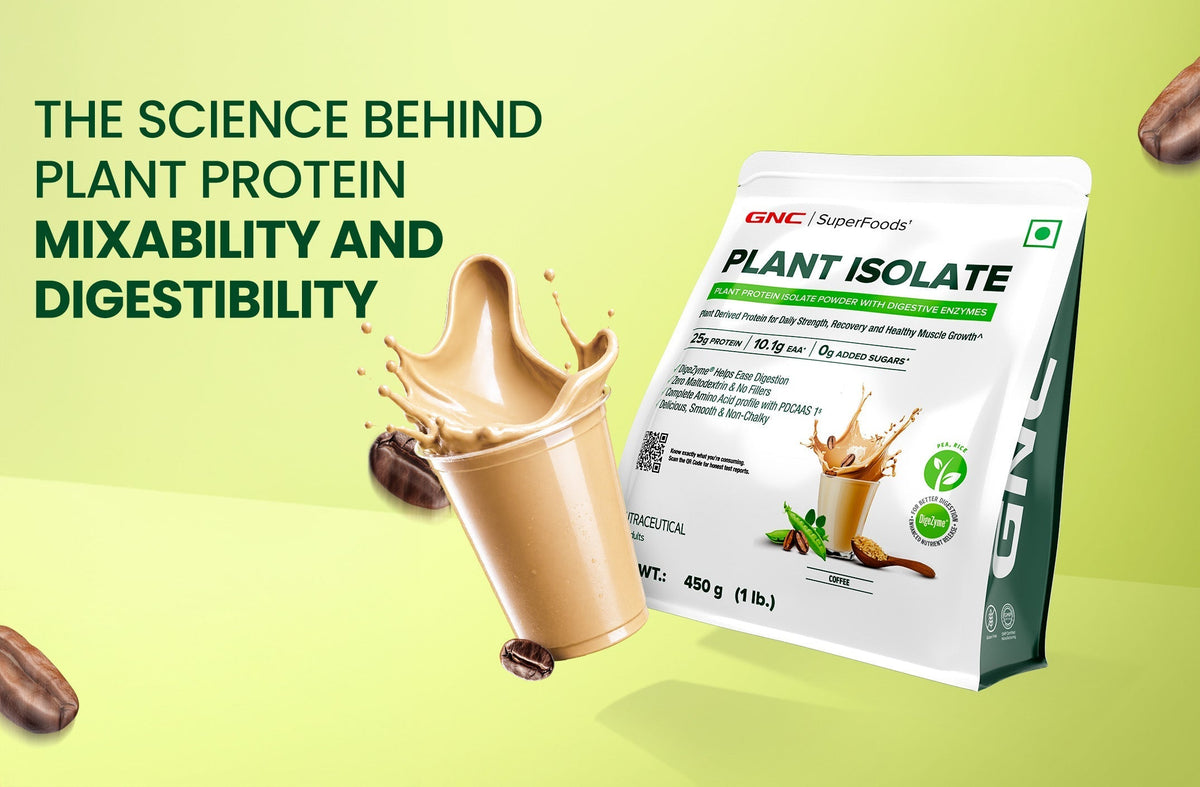
GNC Superfoods Plant Isolate is primarily formulated with pea protein isolate and brown rice protein isolate, extracted using an advanced 8-step sophisticated filtration process designed to obtain a highly concentrated and purified protein source. This helps create a smoother shake while preserving the nutritional integrity of the ingredients.
-
Particle Size and Processing
Finer particles disperse more easily in liquid, plain and simple. Techniques like micronization and controlled drying produce a more uniform powder that blends efficiently and clumps far less than older formulations.
When these factors are put together, modern plant protein powders can deliver a texture that comes surprisingly close to what you’d expect from a traditional dairy-based supplement.
How Your Body Breaks Down Plant Protein
Digestion of protein starts in the stomach, where hydrochloric acid and digestive enzymes get to work breaking down protein structures. From there, the process continues in the small intestine, where enzymes break things down further into peptides and individual amino acids that can actually enter the bloodstream and be put to use.
Plant proteins have historically taken some criticism for being “incomplete” - the idea being that individual plant sources tend to fall short on one or more essential amino acids. What modern nutrition science has made clear, though, is that pairing the right plant proteins together largely solves that problem.
Pea and brown rice protein are a good example of this. Pea protein is naturally high in lysine but sits a little lower on methionine, while brown rice protein fills that gap with sulphur-containing amino acids - the two together produce a much more balanced amino acid profile than either would on its own. Beyond that, pea protein naturally contains branched-chain amino acids, including leucine, which plays a direct role in triggering muscle protein synthesis. It also provides arginine and iron, which makes it a particularly useful option for those following vegetarian or vegan diets.
The research backing pea protein is also worth paying attention to. A randomized, double-blind clinical trial published in the Journal of the International Society of Sports Nutrition found that pea protein supplementation produced muscle thickness gains comparable to whey protein when participants were also following a resistance training programme - a finding that carries real weight for anyone who assumed plant protein couldn’t keep up.
What Improves Protein Absorption
The protein number on a label only tells part of the story. What matters just as much is how well your body can actually absorb and use that protein once it’s been consumed.
Reducing Anti-Nutritional Factors
Plant ingredients naturally contain compounds like phytates and enzyme inhibitors that can get in the way of nutrient absorption. Better isolation and purification methods bring these down significantly, which translates directly to improved digestibility and more amino acids making it into your system.
Digestive Enzymes
More premium protein formulations are now including digestive enzyme blends, and for good reason. Enzymes help break protein down into smaller peptides and amino acids more efficiently, which can ease the digestive process and support better nutrient uptake - particularly useful for people who find plant proteins sit heavily on the stomach.
A Balanced Protein Blend
No single plant protein source covers the full essential amino acid spectrum particularly well. Combining complementary sources - pea and brown rice being the most common pairing - produces a broader, more complete amino acid profile. It’s a straightforward fix that makes a meaningful nutritional difference.
Choosing a Better Plant Protein Powder
When selecting a plant protein powder, don’t focus solely on the protein number printed on the label. A high-quality supplement should combine:
- A complementary blend of plant proteins
- Advanced isolation and filtration technologies
- Good mixability and smooth mouthfeel
- Clean-label credentials
A thoughtfully formulated plant based protein powder should deliver not only muscle support and recovery but also an enjoyable and comfortable consumption experience.
Final Thoughts
The science behind plant protein goes far beyond grams per serving. Mixability influences texture and convenience, while digestibility determines how effectively your body can access the amino acids needed for muscle maintenance and recovery.
Advances in ingredient processing, protein isolate, and digestive support technologies have significantly improved the quality of modern plant based protein supplements. Blends such as pea protein isolate and brown rice protein isolate offer complementary amino acid profiles that address the traditional gaps in plant-based nutrition, and the inclusion of digestive enzymes takes things a step further by supporting both absorption and comfort.
For individuals looking for a clean, vegan-friendly protein that’s genuinely easy to digest, a well-formulated option like GNC Superfoods Plant Isolate, one that pairs advanced processing with evidence-backed ingredient choices - offers a practical, everyday solution for supporting nutrition, and active lifestyle, and long-term health.