












You’ve made the switch to plant protein. Or you’re thinking about it. Either way, you’ve probably stood in front of a shelf or scrolled through pages online and picked up something that sounds exactly right. “Plant-based.” “Natural.” “Superfood formula.” Clean enough, you think.
Then you flip it over and read the label.
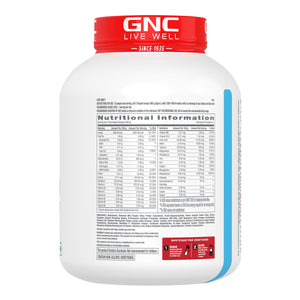
Twelve grams of carbohydrates. A few grams of sugar. Maltodextrin sits comfortably in the top five ingredients. Suddenly, the “clean protein” doesn’t feel quite so clean.
Here’s the thing: this isn’t a plant protein problem. It’s a processing and formulation problem. And once you understand what’s actually happening inside that tub, you’ll never look at a plant protein label the same way again.
The Plant Protein Paradox: Why Carbs Sneak In
Plants are not protein factories. They’re whole foods, which means they naturally contain protein, carbohydrates, fiber, fats, and moisture. When you turn a pea or a grain of brown rice into a supplement, what you do next determines how much of that original carbohydrate load ends up in your scoop.
This is the fundamental difference between a protein concentrate and a protein isolate.
A protein concentrate goes through a basic extraction process. It removes a significant amount of protein, typically 60-70% by weight, while the rest of the composition remains largely intact. That means residual starches, naturally occurring sugars, and other plant compounds come along for the ride. The result is a product that’s reasonably high in protein, but also meaningfully higher in carbohydrates and fat than many people expect.
A protein isolate takes things further. Additional purification steps, often involving water-based or membrane filtration processes, strip away most of the non-protein material. What you’re left with is protein content that typically sits at 85-90% or above, with carbohydrates and fats reduced to minimal levels.
A 2018 study published in Food Chemistry by Gorissen and colleagues compared the macronutrient profiles of multiple plant protein sources and found that the isolate form of pea protein consistently delivered higher protein-per-gram ratios with a substantially lower carbohydrate fraction than concentrates, making isolates the smarter choice for anyone keeping a close eye on their carb intake.
The takeaway: the source of your protein matters, but the process often matters more.
What Else Adds Carbs and Sugar to Plant Protein?
Even when a brand starts with an isolate, things can go sideways, and usually do, for one of a few familiar reasons.
Maltodextrin is the most common offender. It’s a cheap, starch-derived filler used to improve texture, prevent clumping, and make powders mix more smoothly. It also carries a glycaemic index higher than table sugar, which makes it a particularly problematic addition for anyone watching their blood glucose or following a lower-carb approach. Look for it in the ingredient list, if it’s in the top three or four, that’s a flag.
Added sweeteners and flavour systems can also push carb counts higher than necessary. Some manufacturers lean on sugar or glucose-based flavouring agents to make plant proteins more palatable, masking the earthy taste of pea or rice without being transparent about what they’ve added.
Starch-based thickeners are another quiet contributor. While small quantities of thickeners like xanthan gum or CMC are standard and low-impact, heavier starch-based agents used to create a more “whey-like” texture can meaningfully inflate carbohydrate numbers without adding anything nutritionally useful.
The bottom line: a label that says “no added sugar” is a start. But it’s not the whole story. You want to look at total carbohydrates, the full ingredient list, and specifically whether maltodextrin appears anywhere near the top.
The Case for Pea + Brown Rice: A Smarter Protein Combination
A single-source plant protein, say, pea protein alone, will often fall short on one or more essential amino acids, requiring either a larger serving size or a complementary food source to fill the gap.
Pea protein is rich in branched-chain amipno acids (BCAAs), particularly leucine, which plays a central role in triggering muscle protein synthesis. However, it’s relatively low in methionine, one of the nine essential amino acids your body cannot produce on its own.
Brown rice protein addresses that gap. Together, pea and brown rice protein form a complete amino acid profile, delivering all nine essential amino acids in proportions your body can actually use for muscle repair, recovery, and maintenance.
A pivotal 2019 study published in Sports (MDPI) by Banaszek and colleagues compared a pea-rice protein blend directly against whey protein in recreational athletes undergoing resistance training over eight weeks. The findings were significant: there was no meaningful difference in muscle thickness gains, body composition changes, or recovery outcomes between the two groups. A plant-based blend, when formulated well, performs on par with the gold standard of sports nutrition.
And crucially, both pea and brown rice proteins, in their isolate form, are naturally low in carbohydrates and fat. The blend works not just because it’s nutritionally complete, but because it achieves that completeness without loading up on macros you’re trying to minimise.
Why Low Sugar Matters Beyond the Gym
It’s easy to frame the low-sugar conversation entirely around fitness goals; tracking macros, hitting a carb ceiling, optimising for body composition. And those are all valid reasons. But the case for choosing a low-sugar plant protein runs deeper than that.
Blood sugar stability is one of the most underappreciated aspects of a protein supplement. A 2015 study by Leidy and colleagues, published in the American Journal of Clinical Nutrition, found that higher-protein, lower-carbohydrate dietary patterns were associated with improved satiety, reduced appetite between meals, and more stable postprandial glucose responses compared to higher-carb equivalents. When your protein supplement itself introduces a carbohydrate spike, it partially undermines the very metabolic benefits you’re supplementing for.
Digestive comfort is another dimension that matters, especially for the population most drawn to plant protein. Many people make the switch from whey precisely because they struggle with lactose or dairy-related bloating. But plant proteins aren’t automatically easier on the gut, particularly concentrates with a higher residual carbohydrate and fibre load, which can ferment in the digestive tract and cause gas, bloating, or discomfort.
A 2021 paper in Frontiers in Nutrition reinforced this point, finding that lower-carbohydrate protein supplementation was associated with fewer gastrointestinal side effects and better overall tolerance in adults following plant-based dietary patterns, particularly when paired with digestive enzyme support.
Which brings us to the next piece of the puzzle.
The Digestion Factor: Why Enzymes Change Everything
Even a well-formulated, low-carb plant protein isolate won’t serve you fully if your body can’t break it down efficiently. Plant proteins are structurally different from animal proteins; they tend to have a tighter protein matrix that can be harder for digestive enzymes to access, which is part of why older plant protein formulations had a reputation for feeling heavy or causing bloating.
The solution isn’t a better protein source. It’s better enzymatic support.
A 2018 study published in the Journal of the American College of Nutrition by Majeed and colleagues evaluated a multi-enzyme digestive complex and found it significantly improved protein digestibility scores, reduced feelings of fullness and bloating post-consumption, and enhanced the rate of amino acid availability, meaning more of the protein you consume actually reaches your muscles.
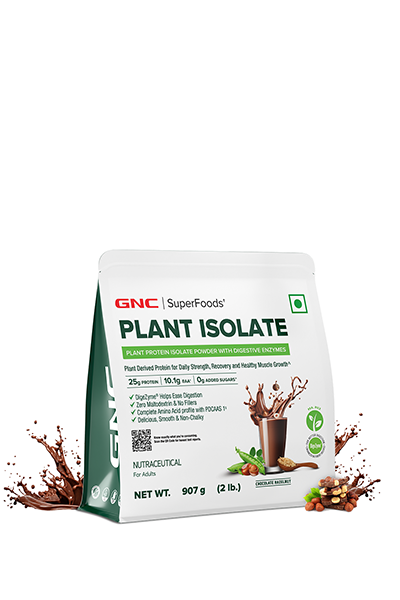
This is the science behind DigeZyme®, the enzyme complex included in formulations like GNC Superfood Plant Isolate. DigeZyme® combines five key enzymes: alpha-amylase, protease, lipase, cellulase, and lactase to support the breakdown of protein, fats, carbohydrates, and plant fibre simultaneously, making the protein not just cleaner in composition, but genuinely easier for your body to use.
Where GNC Superfood Plant Isolate Fits In
Understanding all of this makes it easier to see why formulation decisions matter, and why not all plant proteins that claim to be “clean” actually are.
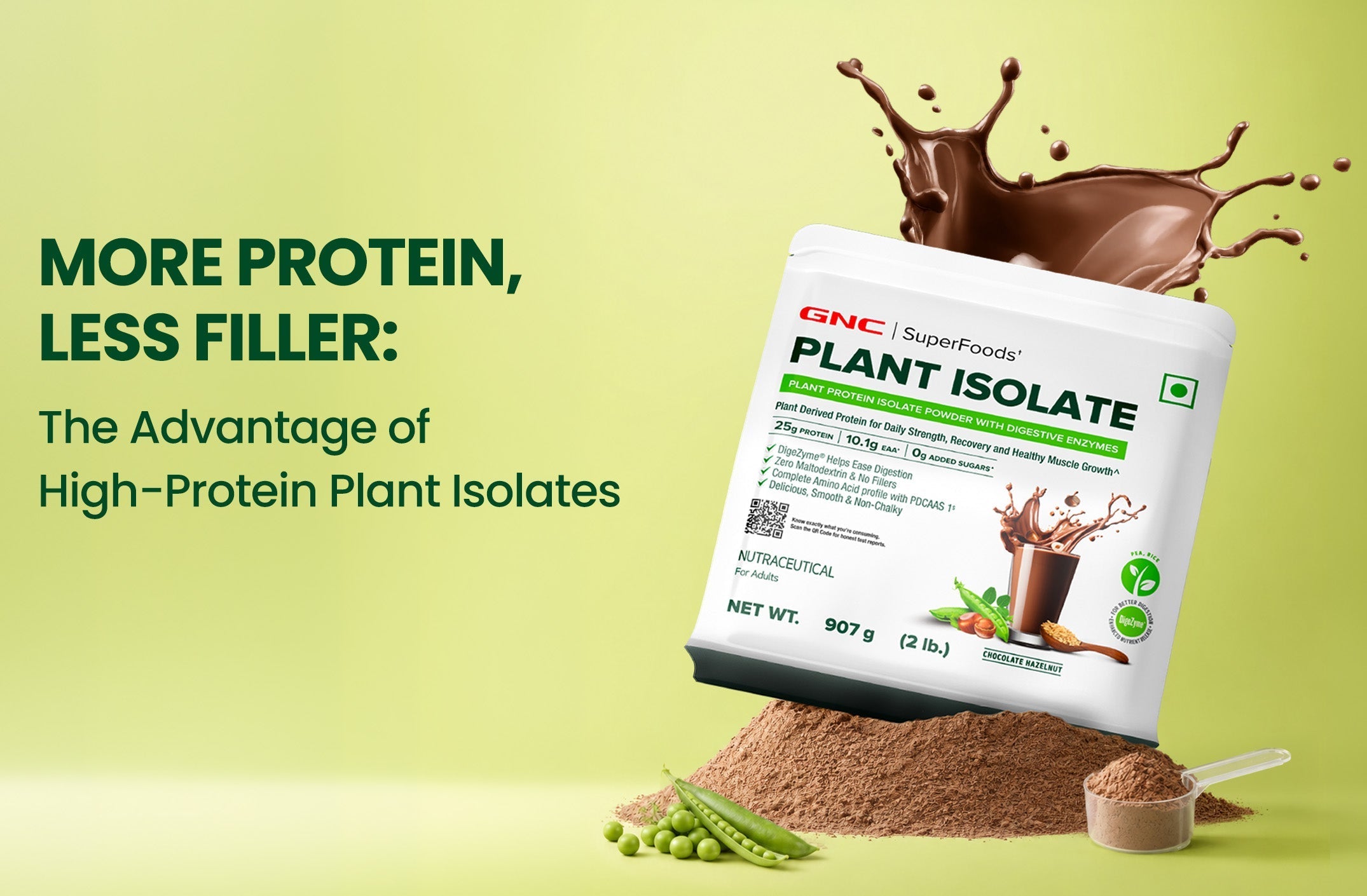
GNC Superfood Plant Isolate is built specifically around the principles outlined above. The protein base is a blend of pea protein isolate and brown rice protein, not concentrates, processed through an 8-step purification system that removes impurities and concentrates protein while keeping the carbohydrate and filler load as low as possible.
Each serving delivers 25g of plant protein with a complete amino acid profile, including approximately 10.1g of essential amino acids, with no added sugar, no maltodextrin, and no gluten. The formulation is soy-free, lactose-free, and non-GMO.
What it does include is DigeZyme®, the clinically studied enzyme blend discussed above, making it not just a clean-label protein, but one designed to actually be absorbed and utilised well by your body.
The Bottom Line
Low-sugar, low-carb plant protein isn’t just a marketing phrase. It’s the result of deliberate choices made at every stage, from the protein source to the purification process to what gets added (or left out) during formulation.
They’re built on complementary amino acid profiles, like pea and brown rice, that deliver completeness without relying on carb-heavy sources. They skip the maltodextrin, keep the sweeteners minimal and disclosed, and include digestive support so your body can actually use what you’re giving it.
When all of those pieces come together, plant protein stops being a compromise and starts being a genuinely smart choice for your goals, your gut, and your long-term health.