

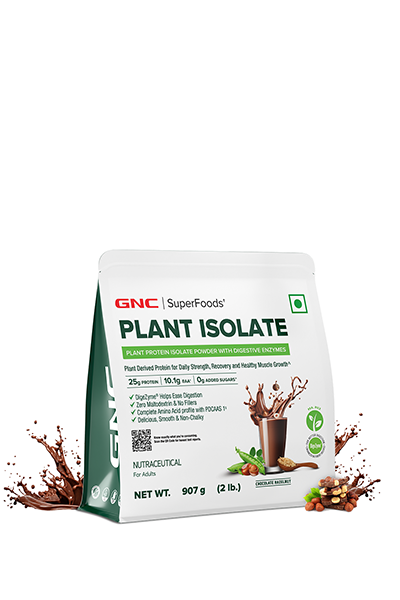
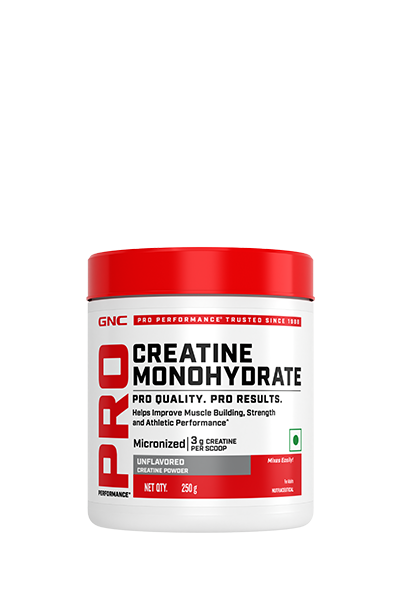
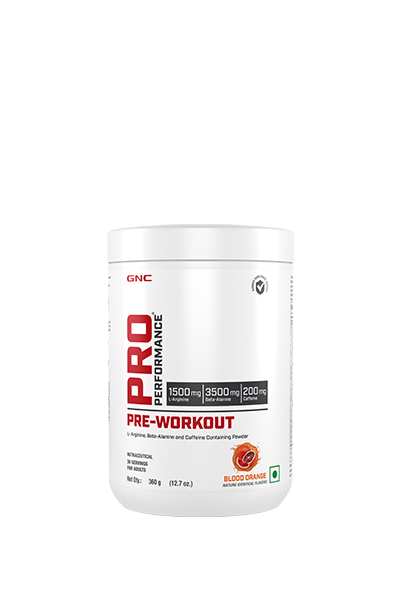










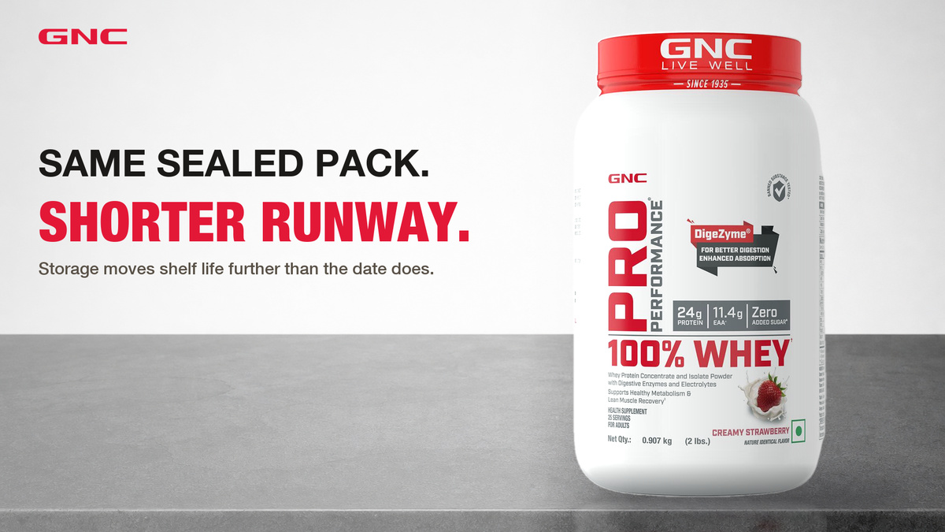
Quick Answer: Near-expiry and clearance stock is the same formula in the same sealed pack, listed closer to its printed expiry date. What changes is the time you have left to finish the pack and how carefully you need to store it. Warehouse sale purchases are also final, so they cannot be returned or exchanged within the usual 30 days.
You've found the pack you wanted, it's sitting in a clearance listing, and the expiry date is closer than you expected. So the question arrives on its own. Is this unit still good?
It is a fair question and it has a real answer. Supplements don't sit on a cliff edge waiting for a date to pass. They age slowly, in ways food scientists can measure, and most of that ageing is driven by where a pack has been rather than by the calendar.
Here is what genuinely changes on a near-expiry pack, what stays exactly the same, and how to check both in about a minute.
What clearance actually means on a supplement
Clearance is a date decision, not a quality decision. A clearance listing holds stock that sits closer to its printed expiry date than the rest of the shelf, so it moves out of the warehouse while there is still usable life in the pack.
The formula doesn't change. The batch doesn't change. The seal, the label, the certifications and the authentication code on the pack are the same ones the fresh stock carries.
It's the runway that makes the difference. A pack with eight months left and a pack with two months left hold the same thing, but they are not the same when it comes to buying, since one of them has to be used in a shorter training period.
What the warehouse sale commits to
For every product offered under the warehouse sale, the expiry date is stated on the website, so you know the runway before you order rather than after it.
Those purchases are also final. A unit bought under the warehouse sale does not qualify for return, exchange or refund, which the return and cancellation policy sets out. Regular unused stock works differently, so read the date on the clearance sale listings first.
What changes as a supplement approaches its expiry date, and what does not
What changes first is quality, and it changes gradually. What does not change is the ingredient list, the declared nutrition, the batch number or the seal on the pack.
Best before and expiry are two different dates
Under India's Labelling and Display Regulations, 2020, a packaged food must declare a date of manufacture or packaging and an expiry or use-by date. "Best before" is optional extra information, not the mandatory one.
The two mean different things. Best before marks the end of the period during which the food stays fully marketable and holds the qualities claimed for it, and food beyond it may still be perfectly safe, though its quality may have diminished.
Use-by or expiry is stricter. It marks the end of the estimated period after which the product may not remain safe, and past that date the food is not to be sold at all. So a supplement you can legally buy in India is, by definition, still inside its date.
What ageing actually looks like in a powder
In a dairy protein powder, the first thing to shift is mixability. A 2011 study in the *Journal of Agricultural and Food Chemistry* (Le, Bhandari and Deeth) stored a milk protein concentrate at 25 to 40 °C and 44 to 84% relative humidity and tracked it over time.
As the powder aged, the indices for browning increased, while at the same time its solubility fell. The researchers concluded that the browning reaction may be what drives the solubility loss.
In practice that means an older powder is more likely to clump in the shaker. The protein content on the label is unchanged; what has fallen is how readily it dissolves.
How to read the expiry and batch code on the pack
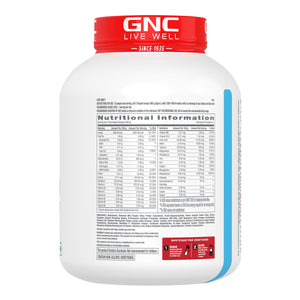
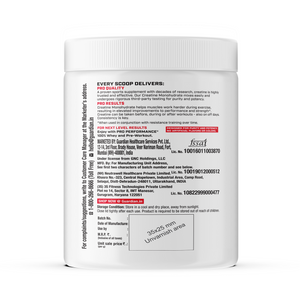
Both live on the label and both are required by regulation. The date of manufacture or packaging and the expiry or use-by date must be grouped together at one place on the pack, and a batch, lot or code number has to be declared on the label as well.
What the date format is telling you
For a product with a shelf life longer than three months, the regulations ask for the month and the year in an un-coded numerical sequence. The month is written in capitals, or as at least its first three letters. Anything with three months or less of shelf life carries the full DD/MM/YY.
That is why a supplement pouch usually gives you a month and a year rather than a day. "MAR 2027" is a complete, compliant date.
Why the batch code matters more than people think
The batch code is the thread that ties your pack back to one production run. It is what a quality query gets traced through and what a recall would work on. Photograph the panel before the pouch goes in the bin, because the batch number is the first thing you will be asked for.
How storage changes shelf life more than the date does
Heat and moisture move a supplement's usable life further than the calendar does. The date on a pack assumes stated storage conditions, and the same regulations require those conditions to be declared on the label wherever the validity of the date depends on them.
That last clause is the part most people skip. Change the conditions and the date stops describing the pack in front of you.
What the storage research shows
A 2011 paper in the *Journal of the Science of Food and Agriculture* (Haque, Bhandari and Gidley) held a milk protein concentrate for up to 12 weeks. The powder sat across water activities from 0 to 0.85, at 25 °C and at 45 °C. Solubility fell as the powder aged, and it fell faster as humidity and temperature rose.
Creatine behaves differently again. Ganguly, Jayappa and Dash reported in *AAPS PharmSciTech* in 2003 that creatine dissolved in water degraded by around 90% over 45 days at room temperature, and by about 80% when refrigerated. Dry powder in a sealed tub is stable. Creatine left standing in your water bottle is not.
A storage checklist you can actually follow
None of that is exotic. A cupboard in a dry room does more for your pack than a shelf above the hob, and that is worth more to you than a few extra weeks on the date.
How to confirm a clearance unit is genuine
Every GNC pack carries a unique authentication code under a scratch panel, and the check takes you under a minute. Scratch the panel, then enter the code with your email address and mobile number on the Product Authentication page.
If the panel has already been scratched when the pack reaches you, raise it before you open the tub.
What else is worth reading on the listing
Two things on the same page answer most authenticity worries on their own: the expiry date stated for that item, and the certifications it carries. The product certification hub sets out which standards apply across the range.
The same habits apply to anything you buy at any date, and this walkthrough on picking protein supplements safely covers the checks worth running on any listing.
GNC Pro Performance 100% Whey (New Formulation): the five checks on one pack
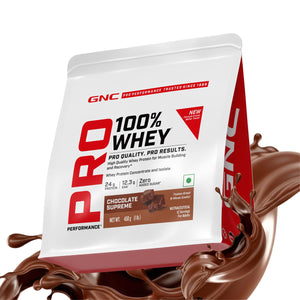
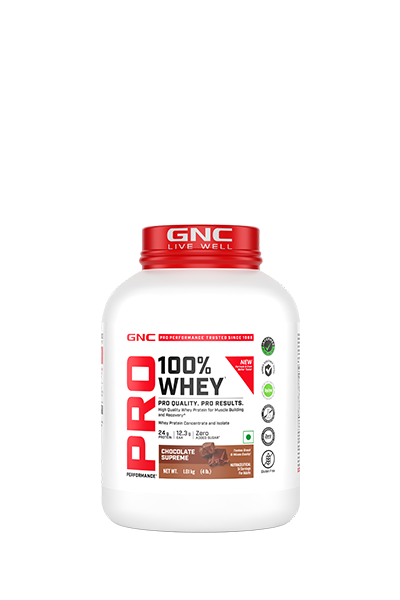
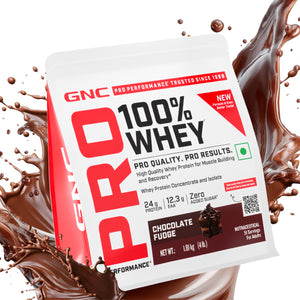
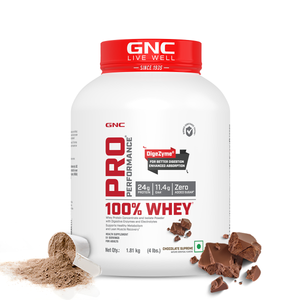
Take GNC Pro Performance 100% Whey (New Formulation) as the worked example, because it's the kind of pack you're usually looking at when this question comes up. The 2 lbs option holds 907 g, and the listing carries the Informed Choice Certified mark.
The routine, start to finish
- Read the expiry date on the listing before you order, and count back from it.
- When the pack arrives, find the date block: manufacture and expiry are grouped together in one place.
- Note the batch, lot or code number printed on the label.
- Scratch the authentication panel and run the code online.
- Store it as the label line says, sealed, away from heat and steam.
Nothing in that list is specific to a clearance listing; it is what you would do with any pack. A shorter runway simply makes step one matter more, and step five matter a lot more. The same holds for oils, where storing fish oil softgels properly does more for them than the date on the bottle.
The Bottom Line
A near-expiry pack is the same product with less time on it, and that is the whole change. The formula, the batch, the label and the authentication code are identical to the fresh stock beside it. The storage research points at mixability, not danger, as the first thing ageing touches.
So the useful questions are practical ones. How much is left on the date, how fast will you get through the pack, and where in your kitchen will it live? Answer those three and a clearance listing stops feeling like a gamble.
The pack you finish on schedule is the one that fits your training, whatever the date on it says.
One caveat applies to every supplement, dated or fresh. Supplements support a balanced diet rather than replace it, and anyone with a medical condition, who is pregnant, or taking medication should consult a physician before starting one.
Frequently Asked Questions
Is near-expiry stock safe to use?
Yes, up to the date on the pack, as long as the seal is intact and it has been stored the way the label says. Indian labelling rules set the use-by or expiry date as the end of the estimated period after which a food may not remain safe, and nothing past it may be sold.
Does protein lose potency before the expiry date?
The declared protein on the label doesn't drop away before the date. What shifts first is how the powder behaves. Storage research on dairy protein powders links ageing, warmth and humidity to falling solubility, which you notice as clumping and harder mixing rather than as a weaker scoop.
Can I return a clearance product?
No. Warehouse and clearance sale purchases are final and don't qualify for return, exchange or refund. Regular unused stock is different and can go back within 30 days of the order, with seals and packaging intact. So read the expiry date on the listing before you order.
How do I check a batch code?
Find the block on your pack's label where the manufacture and expiry dates sit together. The batch, lot or code number is declared alongside them, so save a photo of that panel. Authenticity is a separate step: scratch the code panel on the pack and enter that code online.