

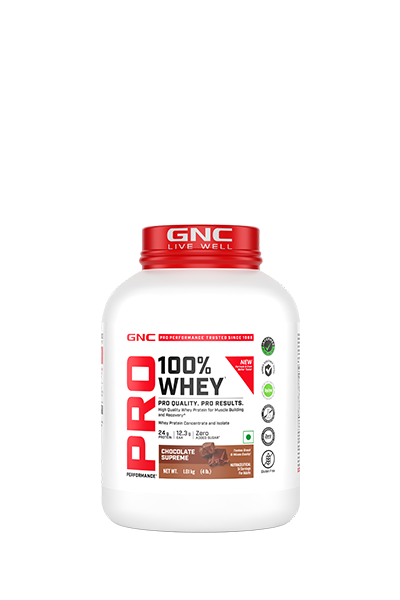


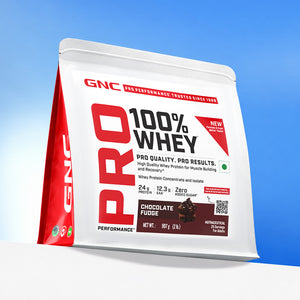




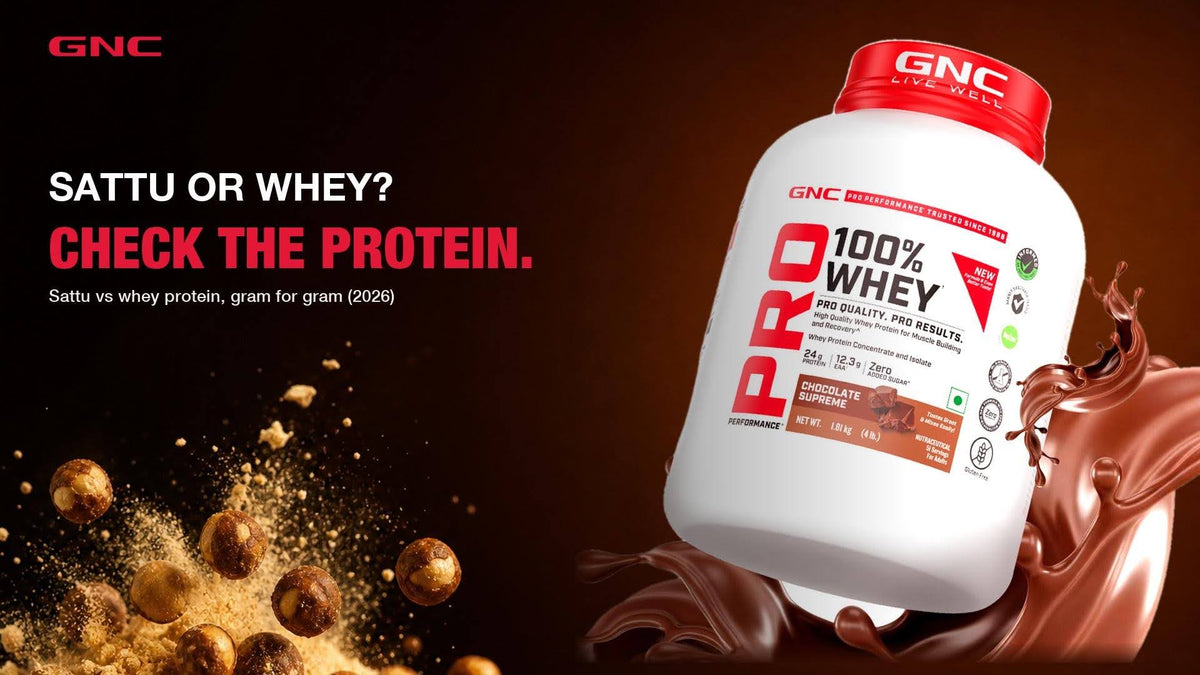
Quick Answer: Whey protein gives far more protein per gram than sattu, roasted gram flour. GNC Pro Performance 100% Whey lists 24 g of protein per 35 g serve, while sattu gives roughly 6 to 7 g per 30 g. Sattu also brings fibre and carbohydrate, so it works as food; whey works when you want protein alone.
You've just walked in from the gym, and there's a steel glass of sattu sharbat waiting on the kitchen counter. A friend at the gym swears by his whey shake. Your mother swears by this.
So which one is doing more for your muscles?
Honest answer: they aren't really competing. Sattu is a food: roasted chana ground into flour, so sattu protein arrives packed in with fibre and carbohydrate. Whey is a protein separated out of milk, so most of every spoonful is protein.
That one difference changes how much protein you get per glass, how quickly your body can use it, and what else rides along in the glass, from fibre and starch to the minerals a pulse naturally carries.
Here's how sattu vs whey protein actually compares.
100 g of sattu or one scoop of whey: which gives more protein?
Sattu protein per 100 g comes to about 21 to 22 g, while one 35 g scoop of whey gives about 24 g. So a single scoop of whey carries a little more protein than a full 100 g of sattu, in about a third of the weight.
Where does the sattu protein figure come from?
India's own food composition tables, IFCT 2017 from the National Institute of Nutrition, do not list sattu by name. They list Bengal gram dal, the dehusked chana that sattu is usually ground from, at 21.55 g of protein per 100 g, and whole Bengal gram at 18.77 g.
So the dal figure is the closest listed match for chana sattu. That is where the range of about 21 to 22 g comes from.
The nutrition panel on your own pack is the final word.
Gram for gram, glass for glass
Sattu leads on what comes along with the protein. Whey leads on how much protein fits in a scoop.
Here's how the two line up side by side:
| What you're comparing | Sattu (roasted Bengal gram flour) | Whey protein |
|---|---|---|
| Protein per 100 g | About 21 to 22 g | About two-thirds of its weight |
| Typical serving | 30 g, stirred into water or dough | One 35 g scoop |
| Protein per serving | Roughly 6 to 7 g | About 24 g |
| What else comes with it | Fibre, carbohydrate (mostly starch), minerals | Some carbohydrate and fat, little else |
| Essential amino acids | All present, lower in methionine and cysteine | All 9 present, rich in leucine |
| How it digests | More slowly, because fibre and starch come along | Quickly |
Weight for weight, whey is the denser protein.
Sattu is the fuller food.
How much protein does one serving of each actually give?
A 30 g serving of sattu gives roughly 6 to 7 g of sattu protein, and a 35 g scoop of whey gives about 24 g. The two servings weigh nearly the same.
The protein inside them doesn't.
The number that explains the gap is protein density: how much of each spoonful is actually protein. You work it out by dividing the protein per serving by the serving size, then multiplying by 100.
Run sattu protein through that sum and you get about a fifth.
Run a 35 g whey scoop through it and you get about two-thirds.
Why whey packs more into each scoop
Whey comes from the liquid left behind when milk is made into cheese. That liquid is processed to concentrate its protein, then dried into a powder. Sattu keeps everything the chana had, starch and fibre included.
A 2015 review in the Journal of Food Science by Devries and Phillips at McMaster University called whey one of the highest-quality proteins available. Their reasons were its high share of essential amino acids and how quickly it is digested.
So what does that mean on your plate? Matching the 24 g of protein in one whey scoop with sattu alone takes about 110 g of flour (24 g divided by roughly 21.5 g per 100 g), carbohydrate and all.
That isn't a reason to skip sattu.
It's a reason to know which job you're giving it.
How do the amino acids in sattu and whey differ?
Sattu protein contains all nine essential amino acids but runs lower in the sulphur-containing amino acids, methionine and cysteine, while whey is rich in all nine. That one detail decides whether sattu counts as a complete protein.
First, the terms. Protein is built from smaller units called amino acids. Nine of them are essential amino acids, which means your body cannot make them and has to get them from food.
A complete protein supplies all nine in the amounts your body needs.
What the chickpea research found
Chickpea, the pulse behind sattu protein, is short on only the sulphur-containing amino acids. A 2012 review in the British Journal of Nutrition by Jukanti and colleagues found that chickpea carries significant amounts of every other essential amino acid. The same review notes that cereals in the daily diet make up the shortfall in methionine and cysteine.
So on its own, sattu is not quite a complete protein. Eaten with a cereal, the pair covers all nine.
Here's the thing: Indian kitchens have paired pulses with grains for generations. Dal with rice. Rajma with roti. Litti, a wheat dough ball stuffed with spiced sattu, does it in a single bite.
Where whey's leucine comes in
Whey starts from milk, and milk protein carries all nine essential amino acids, including plenty of leucine. Devries and Phillips, in their 2015 Journal of Food Science review, link that leucine content to whey's strong effect on muscle protein synthesis, the process your body uses to repair and build muscle after training.
Eating vegetarian? Our guide to vegetarian protein sources covers the other options on an Indian plate.
What does sattu give you that whey does not?
Sattu brings fibre, starchy carbohydrate, minerals and B vitamins along with sattu protein, and whey largely doesn't. Those extras make sattu a food rather than a supplement, and they are where most sattu benefits come from.
What a glass of sattu adds, per Jukanti's 2012 chickpea review (reported for chickpea, not roasted flour):
- Fibre, which slows digestion and makes a drink feel closer to a meal
- Carbohydrate, mostly starch, for energy through a long, hot day
- Minerals such as potassium, magnesium, calcium and phosphorus
- B vitamins including thiamin, riboflavin, niacin and folate
Why sattu sharbat is a summer staple
Its mix of fibre, starch and minerals is why the sattu drink is a summer staple in many homes. Stir a few spoons into cold water with lemon, a pinch of salt and roasted jeera, and you have something that is part drink, part meal.
Whey does a narrower job well: protein, without the food around it. That is the whole sattu vs protein powder story.
Different tools. Not rivals.
How do you fit both into the same day?
Give each its own slot: sattu as part of a meal, whey around your workout. That makes a daily protein target easier to reach.
How much protein are you actually aiming for across the day?
A 2018 meta-analysis in the British Journal of Sports Medicine by Morton and colleagues pooled strength-training trials. A meta-analysis combines the results of many earlier studies into one answer.
The Morton analysis found that protein supplements increased gains in muscle size and strength during strength training, and that the extra benefit levelled off once total daily protein passed about 1.6 g per kg of body weight.
To find your own figure, multiply your body weight in kilograms by 1.6. It marks where more protein stopped adding muscle in those trials, not a number everyone must hit.
What a day with both can look like
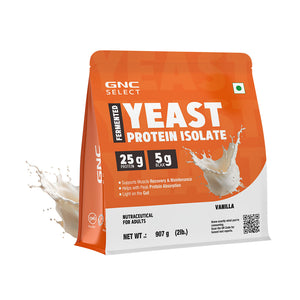
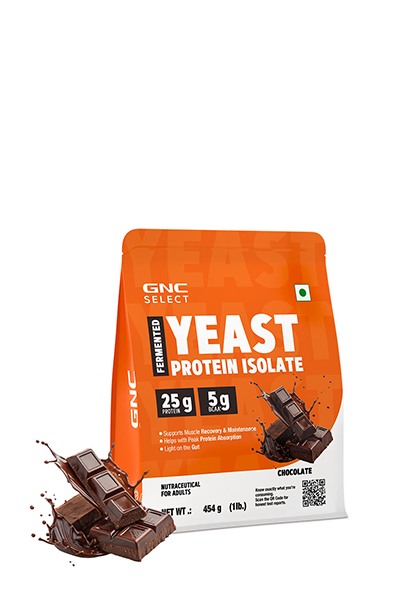
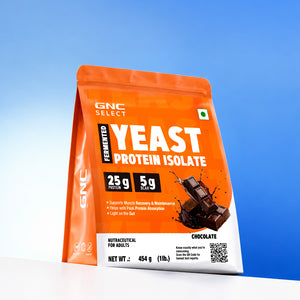
Sattu fits the meals. Whey fits the workout. GNC's usage advice for its yeast protein puts it simply: use between meals to help bridge daily protein gaps.
One way to lay it out:
- Breakfast: a sattu paratha, or sattu stirred into water or buttermilk.
- Lunch and dinner: dal, rajma, curd or paneer with rice or roti, so pulses and cereals keep pairing up.
- After training: one whey scoop in water or milk.
- Evening: a glass of sattu sharbat if you're hungry between meals.
If you're pregnant, take regular medication, or have a kidney condition or any other medical condition, check with your doctor before you raise your protein intake.
How do you read protein per serving on a GNC whey label?
Reading protein per serving on a GNC whey label takes two numbers, the protein figure and the serving size, plus the same protein density sum you used for sattu.
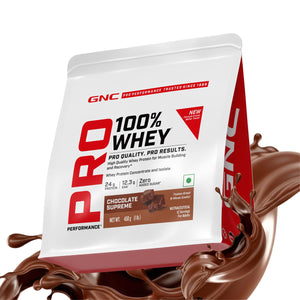
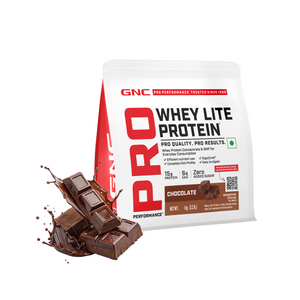
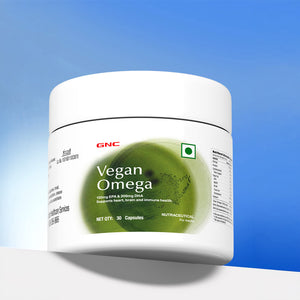
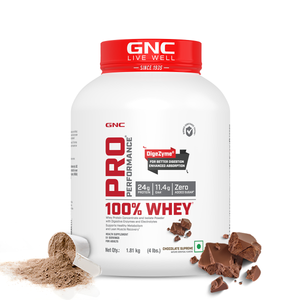
Take GNC Pro Performance 100% Whey (New Formulation) as the worked example. One scoop delivers 24 g of protein, and one serve is 35gm, so roughly two-thirds of every scoop is protein.
Each serving carries 12.3g of EAAs, the essential amino acids, and whey naturally provides all 9 of them, including leucine.
Where the shake sits next to your sattu
The shake covers the quick, concentrated protein. Your sattu covers the meal. The 100% Whey page suggests mixing 1 scoop with 200-250 ml of water, or milk for a creamier shake with added calories.
One doesn't replace the other.
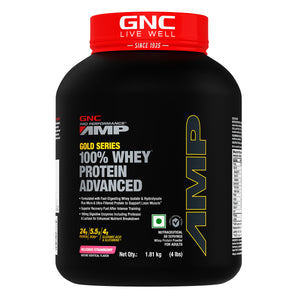
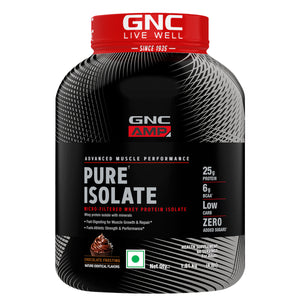
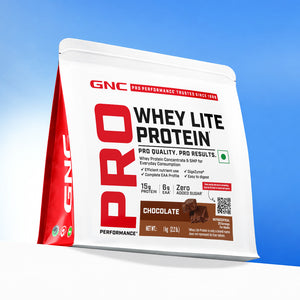
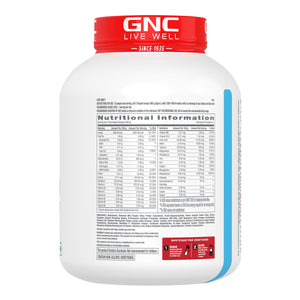
The same sum works on every tub in the whey protein range. For the full back-panel check, including ingredient order and the serving arithmetic, read our guide on how to read a whey protein label before you buy.
The Bottom Line
Sattu and whey answer two different questions.
Whey answers one: how do I get a solid dose of protein quickly after training? Sattu answers the other: what fills me up and brings protein along with it?
Judge sattu only on grams per 100 g and it looks modest. Judge it as a food and it earns its place, bringing fibre, minerals and B vitamins to the litti, parathas and sharbat your family already makes.
Whey works the other way round. Thin as a meal, dense and quick as a protein.
So ask which slot in your day each one fills, and fill both.
Frequently Asked Questions
Is sattu a complete protein?
Not quite on its own. Chana sattu has all nine essential amino acids but runs low in methionine and cysteine, and pairing it with a cereal such as wheat, rice or barley fills that gap, the way litti or a sattu paratha does.
Is sattu the same as protein powder?
No. Sattu is a whole food, roasted gram ground into flour, so its protein arrives with fibre and carbohydrate. A protein powder such as whey is concentrated protein, which is why a 35 g scoop gives about 24 g against roughly 6 to 7 g in 30 g of sattu.
Can you mix sattu and whey together?
Yes. Blend a spoon or two of sattu into a whey shake made with milk or water, and you get whey's quick protein plus sattu's fibre and carbohydrate in one glass. It makes the drink thicker and more filling, so add the sattu gradually.
Which sattu has more protein, chana or jau?
Chana sattu. Chana sattu protein comes from roasted Bengal gram, a pulse, while jau sattu is ground from barley, a cereal grain, and pulses carry more protein than cereals. Some packs blend the two, so check the protein per 100 g on the label.