











Quick Answer: All-in-one protein powders add creatine, BCAAs, L-glutamine, L-arginine, Tribulus terrestris and digestive enzymes to a whey base. Creatine is the add-in with strong evidence, at 3-5 g a day. The others add little once your daily protein is adequate, and research on arginine and Tribulus at blend doses is mixed or weak.
You're comparing two tubs.
One says whey protein. The other says whey protein plus creatine, BCAAs, glutamine, arginine and a herb you've never heard of, all in the same scoop.
More ingredients, more results. Right?
Sometimes. It depends on the add-in and how much of it lands in your shake. Some have decades of solid research behind them. Others carry a strong story and little data.
So this guide takes the add-ins one by one: what it does in your body, what dose the research used, and whether a blend is likely to deliver it.
At a glance: what each add-in brings
The whey base is doing most of the work
The whey is the reason an all-in-one powder works at all. It supplies complete protein with all nine essential amino acids, and protein is the ingredient with the deepest evidence for turning training into muscle.
A 2018 meta-analysis in the British Journal of Sports Medicine (Morton et al.) pooled 49 trials and 1,863 people. It found that protein supplementation during resistance training increased gains in both muscle size and strength, with extra gains in lean mass levelling off at around 1.6 g of protein per kg of body weight a day.
That's the number worth holding on to.
For a 70 kg person, it works out to about 112 g of protein a day. A vegetarian plate of dal, curd, rice and roti can easily fall short of that. The whey in a blend closes part of the gap, whatever else rides along with it.
Creatine is the add-in with real evidence behind it
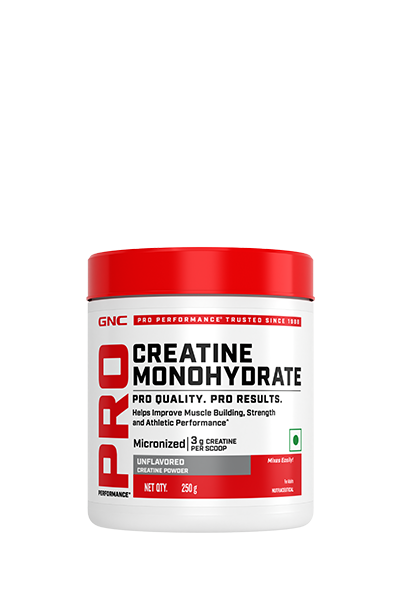
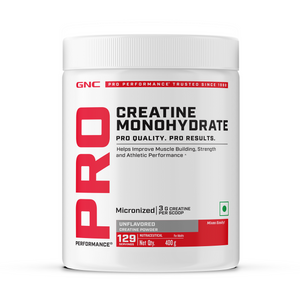
Creatine monohydrate is the one add-in with strong, consistent evidence. It raises the phosphocreatine stored in muscle, which your body uses to regenerate energy in the first few seconds of a heavy set or a sprint.
The International Society of Sports Nutrition's 2017 position stand (Kreider et al., Journal of the International Society of Sports Nutrition) concluded that creatine monohydrate reliably improves high-intensity training capacity and lean mass. It found no harm in healthy people at recommended doses.
The working dose is 3-5 g a day. A loading phase is optional: 3-5 g a day fills muscle stores over about three to four weeks.
Here's the India-specific part. Creatine comes mainly from meat and fish, so vegetarians tend to start with lower muscle stores and may respond more to supplementing.
The catch with a blend? Your daily scoops have to add up to 3-5 g. If you'd rather dose it separately, how much creatine you need in a month does the maths.
Do BCAAs add anything if you already drink whey?
Mostly, no. Whey is naturally rich in the three branched-chain amino acids (leucine, isoleucine and valine), so a shake already delivers them.
A 2017 review in the Journal of the International Society of Sports Nutrition by Robert Wolfe examined whether BCAAs alone can build muscle. His answer was no: muscle can't keep building from three amino acids when the other six essential ones are missing.
Leucine flips the switch. The full set is the building material.
BCAAs make more sense on their own, between meals, for someone eating little protein. Inside a whey shake, they're largely already there. The EAA vs BCAA explainer covers the difference in more depth.
L-glutamine rarely shows up in the results
L-glutamine is the most abundant amino acid in your body, and the add-in with the weakest training evidence. Your muscles make it themselves, and your gut and immune cells use a lot of it.
A 2001 study in the European Journal of Applied Physiology (Candow et al.) gave young adults 0.9 g of glutamine per kg of lean tissue every day through six weeks of resistance training. The glutamine group gained no more strength or muscle than the placebo group.
A 2008 review in the Journal of Nutrition (Gleeson) reached a similar verdict.
Most blends carry far less than that studied dose. Glutamine is a formulation detail, not a reason to pick one tub over another.
L-arginine has a dose problem
L-arginine is the raw material your body uses to make nitric oxide, which widens blood vessels. That's why it turns up in "pump" formulas.
The evidence is mixed, and it hinges on dose. A 2020 meta-analysis in Nutrients (Viribay et al.) found arginine could improve some aerobic and anaerobic performance, but the acute benefit appeared at around 0.15 g per kg of body weight, taken 60 to 90 minutes before exercise.
For a 70 kg person, that's roughly 10 g in one go.
A whey-based scoop is unlikely to carry anything close.
Tribulus terrestris: a long tradition, thin training data
Tribulus terrestris, known as gokhru in India, has a long history in Ayurveda, but its gym reputation runs well ahead of the sports research.
A 2007 trial in the Journal of Strength and Conditioning Research (Rogerson et al.) gave elite rugby league players Tribulus terrestris through five weeks of preseason training. Their strength and body composition changed no more than the placebo group's.
A 2014 review in the Journal of Human Kinetics (Pokrywka et al.) looked across the studies on athletes and landed in the same place.
None of that makes it harmful. Just don't count on it for training results, and anyone on regular medication should check with a doctor before starting any herbal supplement.
What are the digestive enzymes there for?
Proteases are there for comfort rather than muscle. They help split protein into smaller pieces in the gut, which may help a heavy shake sit more easily, especially if you drink two a day.
Research on added enzymes is thin and doesn't point to bigger muscle gains. The LiveWell post on SMP and DigeZyme in whey explains why enzymes turn up in protein powders at all.
More names on the tub doesn't mean more results
A longer ingredient list reads as more value, but results come from doses, not names. An ingredient can sit on the label and still fall well below the amount any study used.
Ask three questions of each add-in. Is it proven? Is it proven at the dose in your scoop? And would you take it anyway?
Creatine usually passes all three. BCAAs fail the third, because whey already supplies them. Glutamine, arginine and Tribulus tend to stumble on the first two.
So the real case for an all-in-one powder is convenience, not extra muscle.
One scoop. One habit. Fewer tubs on the shelf.
How to read an all-in-one label
Start with the protein line, then look for a number next to every add-in. This order works:
- Protein per scoop. Check whether the panel states it per scoop or per two-scoop serving, and match it to your daily target.
- Creatine per serving. Add up your daily scoops and see whether you reach 3-5 g.
- Amounts, not just names. An add-in listed without a quantity can't be judged on dose.
- Allergens and sweeteners. Milk is a given with whey, so check for soy, nuts and added sugar.
- Serving directions. Two scoops a day doubles every number on the panel.
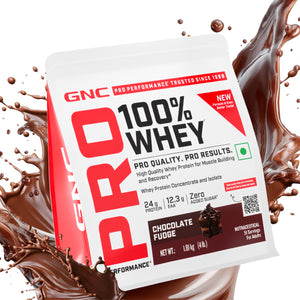
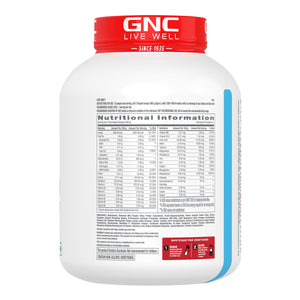
Inside one scoop of GNC Pro Performance Power Protein
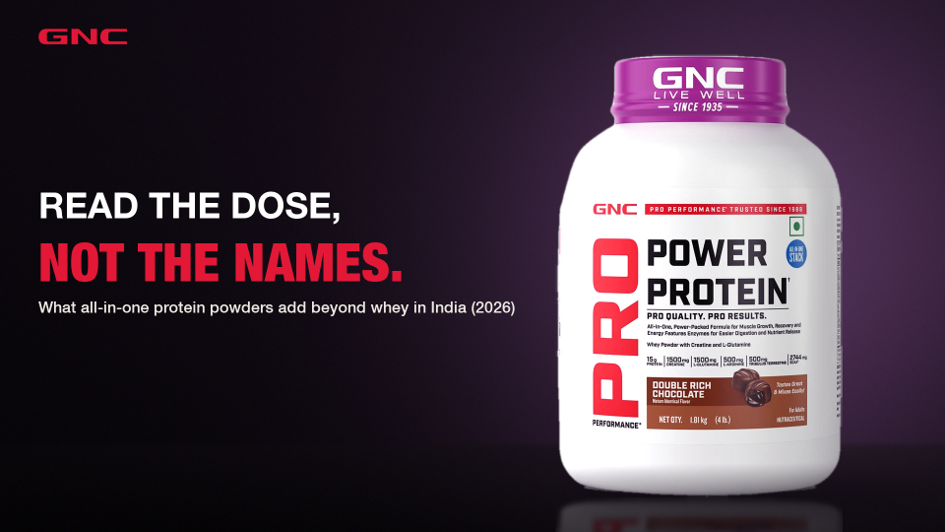
One scoop of GNC Pro Performance Power Protein carries 15 g of protein, mainly from whey protein concentrate, with creatine monohydrate, L-glutamine, L-arginine, Tribulus terrestris and a Pro-Hydrolase Protease enzyme.
How the stack maps onto this guide
The product page sums the idea up as "Power of Multiple Supplements in ONE FULL STACK!" It carries every add-in described above:
- The whey base is the protein source, with skimmed milk powder alongside. The product page also highlights BCAAs, which whey concentrate supplies naturally.
- Creatine monohydrate is the add-in with the strongest research behind it.
- L-glutamine, L-arginine and Tribulus terrestris are each named openly in the ingredient list.
- Pro-Hydrolase Protease is the digestive enzyme, included to make the shake easier on the stomach.
How it's meant to be taken
The formula is vegetarian and gluten-free, carries zero added sugar and comes in Double Rich Chocolate. It contains milk and may contain soy and nuts.
The recommended dosage is 2 scoops a day, one before your workout and one after. Mix each scoop into cold water or milk, using the volume shown on your pack, and take the pre-workout shake about 20 minutes before your session.
The nutrition panel on the pack lists the amount of each add-in per scoop, so you can add up your daily creatine against the 3-5 g range. The full ingredient list is on the Power Protein product page, and pack sizes sit in the Power Protein range.
The Bottom Line
An all-in-one protein powder is a whey shake with passengers.
The whey and the creatine are the two the research backs firmly. BCAAs are already inside the whey, the enzyme is about comfort, and glutamine, arginine and Tribulus carry more story than evidence.
None of that makes a blend a poor choice. If one scoop twice a day is the routine you'll actually keep, that consistency matters more than any single add-in, so check the protein, check the creatine, and count everything else as a bonus rather than the point.
Frequently Asked Questions
Is an all-in-one protein powder better than plain whey?
Not automatically. Plain whey and a blend give similar protein, and the blend's main extra with strong evidence is creatine. If the blend delivers 3-5 g of creatine a day, it can replace a whey-plus-creatine routine. The other add-ins are unlikely to change your results much.
Can you take extra creatine alongside an all-in-one protein?
Yes, as long as your total stays around 3-5 g a day. Add up the creatine from your daily scoops first, then top up only the shortfall. Once your muscles are saturated, taking more doesn't raise your stores any further.
Are all-in-one protein powders suitable for beginners?
Often, yes. One product and one habit is easier to stick with when you're starting out. Beginners should still check protein per scoop against their daily needs, and anyone with a medical condition or on regular medication should speak to a doctor first.
Does GNC Power Protein contain BCAAs?
Yes. The product page highlights BCAAs, which whey concentrate supplies naturally, alongside creatine monohydrate, L-glutamine, L-arginine and Tribulus terrestris. Because whey already carries leucine, isoleucine and valine, most people don't need a separate BCAA supplement on top of it.
Should vegetarians take creatine through a protein blend?
Yes, a blend can work well. Vegetarians often start with lower muscle creatine stores, because creatine comes mainly from meat and fish, so they may respond more to supplementing. A blend is fine if your daily scoops reach 3-5 g; otherwise, add a separate creatine.