












Quick Answer: Black coffee can work as a pre-workout: it supplies caffeine, the main active ingredient in a formulated pre-workout, which adds other ingredients on top. A 200 ml cup of filter coffee holds about 90 mg of caffeine, and research finds 3 to 6 mg per kg of bodyweight helps when taken about an hour before training.
You're lacing your shoes with the gym bag already by the door. There's a jar of coffee on the kitchen counter and a tub of pre-workout on the shelf. Which one do you reach for?
Most people grab whichever is closer, and plenty already use black coffee as a pre-workout without calling it that.
That's a fair instinct, because both drinks lean on the same molecule. Caffeine is a stimulant, meaning a substance that speeds up signalling in the brain and nervous system and pushes tiredness into the background.
So the real question is how many cups, and what a scoop adds that your mug cannot.
Is black coffee a good pre-workout?
Yes, black coffee is a good pre-workout for most healthy adults, because caffeine is one of the most researched ingredients in any pre-workout drink.
Black coffee as a pre-workout delivers that caffeine and almost nothing else.
Most of the benefits of black coffee before a workout trace back to that one molecule. A 2020 umbrella review in the British Journal of Sports Medicine (Grgic and colleagues) pooled 21 meta-analyses and found caffeine improved muscle endurance, muscle strength, power and aerobic endurance.
An umbrella review gathers earlier reviews on one question and weighs them together.
The authors rated the included reviews moderate-to-high in methodological quality, and the evidence for the strength and endurance effects moderate. Most of the people studied were young men.
One cup holds about 90 mg of caffeine
So how much caffeine is in black coffee? About 90 mg in a 200 ml cup of filter coffee, according to the European Food Safety Authority's 2015 scientific opinion on caffeine (EFSA).
EFSA's cup figure is an average. Bean, brew and mug size all move the number.
Your dose depends on your bodyweight
Research measures caffeine in mg per kg of bodyweight, meaning milligrams of caffeine for every kilogram you weigh, and this is where most people slip.
The International Society of Sports Nutrition (ISSN) published its position stand on caffeine in 2021 (Guest and colleagues). The range studied is 3 to 6 mg per kg, or 210 to 420 mg for a 70 kg adult.
The stand adds that the smallest dose that works may be as low as 2 mg per kg. At 70 kg that is about 140 mg, roughly a cup and a half of filter coffee.
What does a pre-workout add that coffee cannot?
A formulated pre-workout mixes ingredients that coffee does not contain into one scoop. Labels differ, but two things usually set a pre-workout apart from a mug of coffee:
- Other ingredients, often amino acids such as beta-alanine or citrulline.
- A fixed serving, so the scoop is the same size every session, which a mug of coffee never quite is.
Beta-alanine is a building block of carnosine, which helps buffer the acid that builds up in hard-working muscle, and it can cause a harmless tingling, as our beta-alanine explainer describes.
For citrulline malate, a 2021 meta-analysis in the International Journal of Sport Nutrition and Exercise Metabolism found that 6 to 8 g taken before training added about three repetitions, a small effect. Check any pre-workout label for which of these it contains, and how much.
For more on why these ingredients are added, see what pre-workout supplements do.
How long before training should you drink black coffee?
Drink black coffee about 60 minutes before you train. That is the most commonly used timing in the research, according to the ISSN position stand on caffeine.
Caffeine has to travel from the stomach into your bloodstream before you feel it, so a cup gulped in the gym car park may only kick in once your warm-up is over.
The same position stand adds a useful detail: the best timing likely depends on where the caffeine comes from. The stand's own example is caffeinated chewing gum, which may need a shorter wait than a caffeine capsule.
For coffee before a workout, think of the hour as a starting point, not a stopwatch.
Powders carry their own directions on the label, and our guide to pre-workout timing and dosage covers that side of the question.
What if you train first thing in the morning?
Brew your coffee while you change, drink it on the way, and keep the first sets light while the caffeine catches up.
When is coffee enough, and when is it not?
Black coffee as a pre-workout is enough when caffeine is all you're after and an estimated dose is fine. A formulated pre-workout suits anyone wanting the other ingredients or a fixed serving.
| Your situation | Coffee enough? | Why |
|---|---|---|
| One-hour lifting session, daily coffee drinker | Yes | Caffeine is well studied |
| Same caffeine dose wanted every session | Not quite | Bean, brew and mug size vary |
| Beta-alanine or citrulline wanted | No | Coffee contains neither |
| Caffeine brings jitters or anxiety | Start small | ISSN: 2 mg per kg may work |
| Late session, close to bedtime | Think twice | EFSA: 100 mg, about one cup, may affect sleep |
| Three or four cups already today | Skip the extra | Check the running total |
Is coffee before the gym good or bad, then?
For most healthy adults, it's good. The drink rarely causes the trouble. The total does.
Stacking both: the daily caffeine ceiling
Count every caffeine source before you stack a pre-workout on your usual coffee. The same EFSA opinion found single doses up to 200 mg, and up to 400 mg across a day, raise no safety concern for healthy adults.
Take a 70 kg adult as an example: 3 mg per kg works out to 210 mg, a touch above that 200 mg single-dose figure. At 6 mg per kg, the top of the range, they would pass the 400 mg daily figure in one sitting.
More caffeine is not better
Very high doses, around 9 mg per kg, bring frequent side effects and do not appear necessary, the ISSN notes.
Pregnant? The EFSA figure drops to 200 mg a day.
If you're pregnant, on medication or managing a medical condition, consult your doctor first.
In India, the FSSAI beverage standards cap packaged caffeinated beverages, such as energy drinks, at 145-300 mg per litre and label them for no more than 500 ml a day; brewed coffee is not covered by that standard. For the wider effects of coffee, see black coffee's benefits, nutrition and side effects.
Where a formulated pre-workout fits
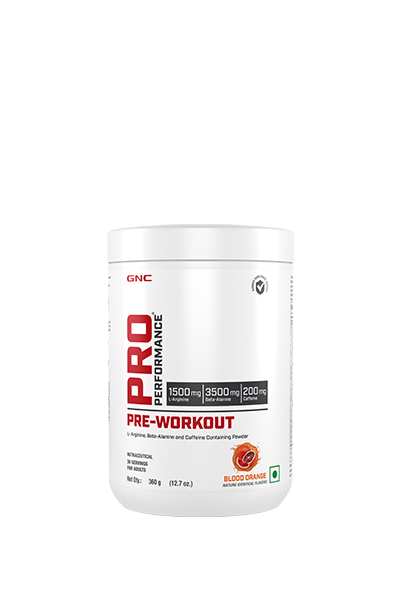
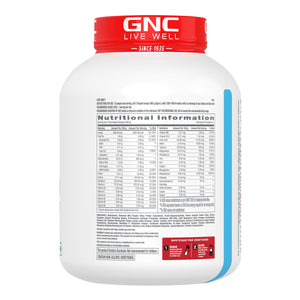
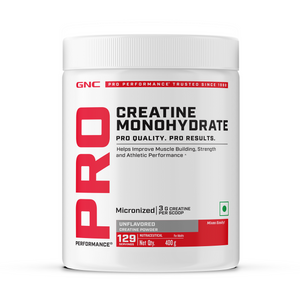
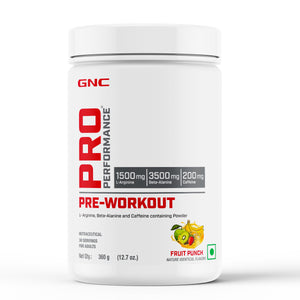
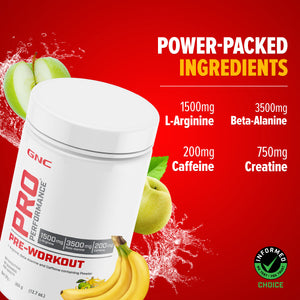
A formulated pre-workout fits the days when you want a measured scoop rather than an estimated cup. GNC Pro Performance Pre-Workout is a worked example of that idea.
The product page keeps the routine simple: one 12 g serving in 250 to 300 ml of water, taken 30 to 45 minutes before your workout, on training days only. Skip it on rest days.
The page also advises against taking the pre-workout late in the evening, because it contains stimulants, and stimulants work against sleep at bedtime.
The product page lists GNC Pro Performance Pre-Workout as Informed Choice Certified, a programme that screens sports supplements for substances banned in sport.
Before you pair any pre-workout with a morning coffee, read its label for stimulant content and count every caffeine source you take that day against the daily total.
The powder sits in the GNC pre-workout range.
The Bottom Line
Black coffee is the pre-workout most people already have in the kitchen. A cup delivers one of the best-researched ingredients in sports nutrition, and for an ordinary hour of lifting or a steady run, that is often enough.
A formulated pre-workout isn't a stronger coffee.
The scoop is a different tool: caffeine plus other ingredients, in a serving that does not change from one day to the next.
Whichever you pick, the number that matters is the daily caffeine total, not the drink it came in. Count the cups. Read the label. Keep the last dose well clear of bedtime.
So the real choice isn't coffee against powder: it's whether caffeine alone does the job for the sessions you train, or whether you want the other ingredients and a serving that never changes.
And if coffee already carries you through your sets? Then you've answered the question yourself.
Frequently Asked Questions
How many cups of coffee should you drink before a workout?
For a 70 kg adult, one and a half to two cups, about 140 to 180 mg, sits at the low end, just below the studied range. That sits between the ISSN's possible minimum of 2 mg per kg and the 3 mg per kg where the studied range starts. New to caffeine? Start with one cup.
Can you drink black coffee before a morning workout on an empty stomach?
Yes, and plenty of early trainers do exactly that. If coffee on an empty stomach sits badly or leaves you queasy mid-session, have it with a small snack, or drink it a little earlier so it has time to settle before the first set. A glass of water alongside it does not hurt either.
Does adding milk or sugar change anything?
Adding milk or sugar does not change the caffeine in the cup, so the training effect comes from the same place. Both do add calories, and sugar adds carbohydrate, which matters for anyone tracking what they eat. A milky coffee still counts toward the daily caffeine total.
Will evening coffee before the gym affect sleep?
Yes, evening coffee can affect sleep. EFSA notes that 100 mg of caffeine, about one cup, may affect sleep in some adults, especially close to bedtime. If you train after work, a smaller cup, or no caffeine at all on late sessions, protects your sleep.