











Quick Answer: Yes, most healthy adults can take L-carnitine with a pre-workout, and NIH's carnitine fact sheet lists no interaction with caffeine. The number to watch is caffeine: EFSA and FSSAI both cap a single dose at 200 mg. Keep L-carnitine under 3 g a day, the level where NIH says nausea and a fishy body odour can start.
You're standing at the gym-bag shelf with a tub of pre-workout in one hand and a strip of L-carnitine in the other, and a small doubt creeps in.
Can I take L-carnitine with pre-workout, or is there a catch nobody mentions?
Fair question.
Both promise a better session, and both reach your stomach at roughly the same time before training. One is a nutrient your body already makes for itself. The other is usually built around a stimulant, a substance that speeds up signalling in your brain and nervous system and pushes tiredness into the background.
Whether your L-carnitine comes as tablets or liquid, its dosage and how to take it stay the same once a stimulant joins the routine. The caffeine is what needs watching.
So this is the checklist, step by step: what each one does, the caffeine sum that actually matters, what the research shows about the pair, and who should skip the stack altogether.
The NIH Office of Dietary Supplements carnitine fact sheet names two kinds of medicine that affect carnitine levels in the body: some long-term antibiotics, such as pivampicillin, and anticonvulsant drugs used for seizures. Caffeine isn't one of them.
That's the good news.
The catch sits elsewhere. The real limits are how much caffeine you add up across the day, and how well your stomach copes with two supplements taken within minutes of each other.
L-carnitine also isn't something most healthy adults run short of. The same fact sheet notes that healthy bodies make all the carnitine they need, which is why experts haven't set a recommended daily amount.
So is the stack pointless? Not necessarily.
It is a personal choice rather than a fix for a shortfall, and the only numbers you need to manage are caffeine in milligrams and carnitine in grams.
Mitochondria are the parts of a cell that turn fuel into energy. Carnitine is the shuttle that moves long-chain fatty acids inside them, and NIH notes that most of your body's carnitine is stored in your muscles.
Red meat is the richest food source, while poultry, fish and dairy have some. Vegetables, fruits and grains, the base of many vegetarian thalis, carry very little, although your body still makes its own supply.
A pre-workout works on a different axis entirely.
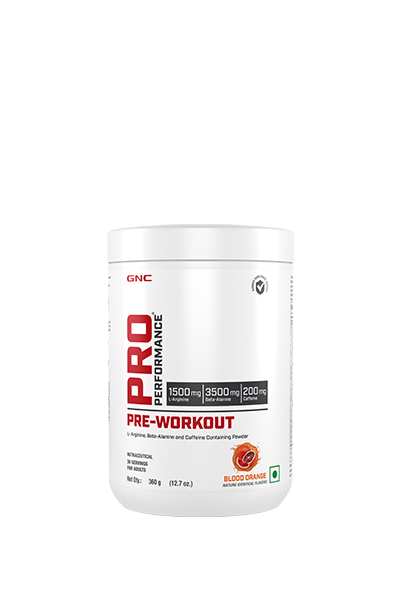
A pre-workout's caffeine stimulates the central nervous system, raising alertness and pushing back sleepiness, according to EFSA. Its amino acids are usually added with blood flow or delaying muscle fatigue in mind.
What about L-carnitine with L-citrulline? Citrulline is an amino acid that pre-workouts include for blood flow, while carnitine handles fat transport inside the cell. Different jobs, in different pathways.
So pairing L-carnitine with caffeine isn't a clash. The caffeine is what adds up: your scoop, coffee and tea all count.
Sources: EFSA's 2015 caffeine opinion and FSSAI's health supplement regulations.
FSSAI also scales the daily figure to body weight: 3 mg per kg a day, or about 210 mg a day at 70 kg.
Cha and colleagues ran a 2001 double-blind study of five rugby players in the Journal of Nutritional Science and Vitaminology, giving each man water, caffeine, carnitine or both before a cycling test. Carnitine lengthened endurance time compared with water, and the mix did more than either alone, while caffeine alone made only a small difference.
Five people. One-off doses, not weeks of use. No amounts in the published summary.
That's a lead worth noting, not a verdict worth building a routine on.
The wider picture is weaker for carnitine. In a 2011 review of "fat burner" supplements in Obesity Reviews, Jeukendrup and Randell found data backing caffeine and green tea for fat metabolism. Carnitine, also on their list, was not one of them.
NIH sums up the research on carnitine and athletic performance as mixed. So expect the stack to feel like the caffeine inside it.
What happens above a normal dosage? For healthy adults, NIH ties side effects such as nausea, cramps and diarrhoea to 3 g or more a day, and our guide to L-carnitine side effects and interactions covers the rest.
Tick these before you stack:
GNC Pro Performance L-Carnitine Tablets 500mg use L-Carnitine L-Tartrate, and each tablet delivers 500 mg of L-Carnitine.
Take one tablet daily on an empty stomach, with water. The label names a second option too: L-carnitine before your workout, or as your healthcare practitioner suggests.
Before or after training? When to take L-carnitine settles that question.
Even on a pre-workout day, one 500 mg tablet stays far below NIH's 3 g carnitine level, so caffeine is the number to watch.
If you're pregnant or breastfeeding, or taking medicine for a medical condition, stay away from L-carnitine supplements unless your doctor has prescribed them.
The tablets sit in the weight-management range, and pre-workouts in the pre-workout range.
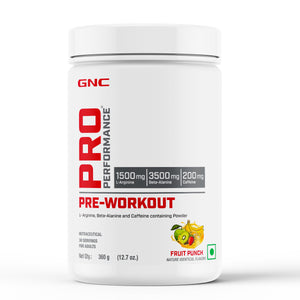
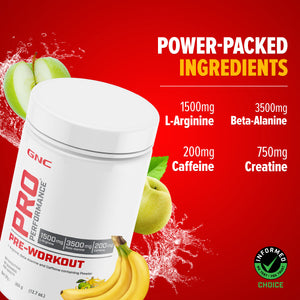
Keep any one dose of caffeine within 200 mg and count every source toward the day's total: EFSA's 400 mg, or FSSAI's 300 mg cap for supplements. Keep carnitine under 3 g a day, and think twice about late-evening scoops, since EFSA found 100 mg close to bedtime may affect sleep.
Pregnant or breastfeeding women, people with a seizure disorder or kidney disease, and anyone on anticonvulsants or other regular medicine should skip L-carnitine unless their doctor advises it. For everyone else, the checklist is the routine.
Expect the pair to work like the caffeine it contains. Anything more rests on one small five-person study, and one-off doses are a thin base for a daily habit.
A. Close enough, because coffee is the caffeine part of a pre-workout without the other ingredients, so EFSA's 200 mg single-dose line still applies. Count the morning's cups in the day's total too, since coffee, tea and the scoop all add up toward EFSA's 400 mg a day.
Q. Does L-carnitine clash with creatine?
A. No clash is on record: NIH's carnitine fact sheet lists no interaction between carnitine and creatine, and some pre-workouts already contain creatine as one of their listed ingredients. Check the pre-workout label first, so you aren't doubling up on creatine you already take on its own each day.
Q. Should you take L-carnitine and pre-workout at the same time or space them out?
A. Either works, since neither supplement depends on the other to do its job. If the pair upsets your stomach, take them a little apart rather than in one gulp, and use this guide to pre-workout timing and dosage to place the scoop itself.
Q. Does a non-stimulant pre-workout change anything?
A. A non-stimulant pre-workout takes the caffeine sum out of the equation, which is the main thing you would otherwise manage. Carnitine should still stay under 3 g a day, and fat burner vs pre-workout explains why low- or non-stimulant options suit combined routines.
Q. Do the same rules apply to L-carnitine liquid?
A. Yes, the rules for liquid match the rules for tablets: count the carnitine per serving and keep the daily total under NIH's 3 g level. Liquids vary from bottle to bottle, so read the serving size on the label before you pour a dose.
You're standing at the gym-bag shelf with a tub of pre-workout in one hand and a strip of L-carnitine in the other, and a small doubt creeps in.
Can I take L-carnitine with pre-workout, or is there a catch nobody mentions?
Fair question.
Both promise a better session, and both reach your stomach at roughly the same time before training. One is a nutrient your body already makes for itself. The other is usually built around a stimulant, a substance that speeds up signalling in your brain and nervous system and pushes tiredness into the background.
Whether your L-carnitine comes as tablets or liquid, its dosage and how to take it stay the same once a stimulant joins the routine. The caffeine is what needs watching.
So this is the checklist, step by step: what each one does, the caffeine sum that actually matters, what the research shows about the pair, and who should skip the stack altogether.
Can you take L-carnitine with pre-workout at all?
Yes, you can take L-carnitine with pre-workout. The two do different jobs, and NIH's fact sheet lists no caffeine interaction for carnitine.The NIH Office of Dietary Supplements carnitine fact sheet names two kinds of medicine that affect carnitine levels in the body: some long-term antibiotics, such as pivampicillin, and anticonvulsant drugs used for seizures. Caffeine isn't one of them.
That's the good news.
The catch sits elsewhere. The real limits are how much caffeine you add up across the day, and how well your stomach copes with two supplements taken within minutes of each other.
L-carnitine also isn't something most healthy adults run short of. The same fact sheet notes that healthy bodies make all the carnitine they need, which is why experts haven't set a recommended daily amount.
So is the stack pointless? Not necessarily.
It is a personal choice rather than a fix for a shortfall, and the only numbers you need to manage are caffeine in milligrams and carnitine in grams.
What do L-carnitine and a pre-workout each do in your body?
L-carnitine carries fatty acids into your cells' energy factories, the mitochondria. A pre-workout is a mix, usually caffeine plus ingredients such as citrulline, beta-alanine or creatine.Mitochondria are the parts of a cell that turn fuel into energy. Carnitine is the shuttle that moves long-chain fatty acids inside them, and NIH notes that most of your body's carnitine is stored in your muscles.
Red meat is the richest food source, while poultry, fish and dairy have some. Vegetables, fruits and grains, the base of many vegetarian thalis, carry very little, although your body still makes its own supply.
A pre-workout works on a different axis entirely.
A pre-workout's caffeine stimulates the central nervous system, raising alertness and pushing back sleepiness, according to EFSA. Its amino acids are usually added with blood flow or delaying muscle fatigue in mind.
What about L-carnitine with L-citrulline? Citrulline is an amino acid that pre-workouts include for blood flow, while carnitine handles fat transport inside the cell. Different jobs, in different pathways.
How much caffeine is too much when you stack L-carnitine and pre-workout?
EFSA and FSSAI both cap one dose at 200 mg of caffeine. EFSA's 2015 review calls up to 400 mg a day fine for healthy adults; FSSAI caps caffeine in supplements at 300 mg a day.So pairing L-carnitine with caffeine isn't a clash. The caffeine is what adds up: your scoop, coffee and tea all count.
| Limit | EFSA (2015) | FSSAI |
|---|---|---|
| One dose | 200 mg | 200 mg max |
| Per day | 400 mg | 300 mg max |
| Within 2 h of hard exercise | 200 mg, no concern | Not stated |
| Near bedtime | 100 mg may affect sleep | Not stated |
| Pregnancy | 200 mg a day | Not recommended |
Sources: EFSA's 2015 caffeine opinion and FSSAI's health supplement regulations.
FSSAI also scales the daily figure to body weight: 3 mg per kg a day, or about 210 mg a day at 70 kg.
Does L-carnitine work better with the caffeine in a pre-workout?
Not clearly, because the evidence is thin. The clearest human test of the pair is one small trial of five rugby players.Cha and colleagues ran a 2001 double-blind study of five rugby players in the Journal of Nutritional Science and Vitaminology, giving each man water, caffeine, carnitine or both before a cycling test. Carnitine lengthened endurance time compared with water, and the mix did more than either alone, while caffeine alone made only a small difference.
Five people. One-off doses, not weeks of use. No amounts in the published summary.
That's a lead worth noting, not a verdict worth building a routine on.
The wider picture is weaker for carnitine. In a 2011 review of "fat burner" supplements in Obesity Reviews, Jeukendrup and Randell found data backing caffeine and green tea for fat metabolism. Carnitine, also on their list, was not one of them.
NIH sums up the research on carnitine and athletic performance as mixed. So expect the stack to feel like the caffeine inside it.
Is L-carnitine safe with a pre-workout, and what dosage is too much?
For most healthy adults, yes, at under 3 g a day. If you're pregnant or breastfeeding, have a seizure disorder or kidney disease, or take anticonvulsants or other medicine for a medical condition, skip L-carnitine unless your doctor advises it.What happens above a normal dosage? For healthy adults, NIH ties side effects such as nausea, cramps and diarrhoea to 3 g or more a day, and our guide to L-carnitine side effects and interactions covers the rest.
Tick these before you stack:
- Read the caffeine per scoop on your pre-workout label.
- Add up the coffee, tea and energy drinks you've had that day.
- Check whether the pre-workout already lists L-carnitine.
- Keep total carnitine under 3 g a day.
- Skip the stimulant late in the day.
- Ask a doctor about phenobarbital or valproic acid, which NIH says lower carnitine.
- Stop if nausea or a fishy body odour appears.
How do you take GNC's L-carnitine tablets, and at what dosage?
One 500 mg tablet a day with water, taken on an empty stomach or before a workout, is what the label directs. That's well under NIH's 3 g side-effect level, even on a day with a pre-workout.GNC Pro Performance L-Carnitine Tablets 500mg use L-Carnitine L-Tartrate, and each tablet delivers 500 mg of L-Carnitine.
Take one tablet daily on an empty stomach, with water. The label names a second option too: L-carnitine before your workout, or as your healthcare practitioner suggests.
Before or after training? When to take L-carnitine settles that question.
Even on a pre-workout day, one 500 mg tablet stays far below NIH's 3 g carnitine level, so caffeine is the number to watch.
If you're pregnant or breastfeeding, or taking medicine for a medical condition, stay away from L-carnitine supplements unless your doctor has prescribed them.
The tablets sit in the weight-management range, and pre-workouts in the pre-workout range.
The Bottom Line
L-carnitine and a pre-workout don't fight each other, because they work on different systems and NIH lists no interaction between carnitine and caffeine. The stack is really a caffeine sum with a carnitine footnote.Keep any one dose of caffeine within 200 mg and count every source toward the day's total: EFSA's 400 mg, or FSSAI's 300 mg cap for supplements. Keep carnitine under 3 g a day, and think twice about late-evening scoops, since EFSA found 100 mg close to bedtime may affect sleep.
Pregnant or breastfeeding women, people with a seizure disorder or kidney disease, and anyone on anticonvulsants or other regular medicine should skip L-carnitine unless their doctor advises it. For everyone else, the checklist is the routine.
Expect the pair to work like the caffeine it contains. Anything more rests on one small five-person study, and one-off doses are a thin base for a daily habit.
Frequently Asked Questions
Q. Is taking L-carnitine with black coffee the same as with a pre-workout?A. Close enough, because coffee is the caffeine part of a pre-workout without the other ingredients, so EFSA's 200 mg single-dose line still applies. Count the morning's cups in the day's total too, since coffee, tea and the scoop all add up toward EFSA's 400 mg a day.
Q. Does L-carnitine clash with creatine?
A. No clash is on record: NIH's carnitine fact sheet lists no interaction between carnitine and creatine, and some pre-workouts already contain creatine as one of their listed ingredients. Check the pre-workout label first, so you aren't doubling up on creatine you already take on its own each day.
Q. Should you take L-carnitine and pre-workout at the same time or space them out?
A. Either works, since neither supplement depends on the other to do its job. If the pair upsets your stomach, take them a little apart rather than in one gulp, and use this guide to pre-workout timing and dosage to place the scoop itself.
Q. Does a non-stimulant pre-workout change anything?
A. A non-stimulant pre-workout takes the caffeine sum out of the equation, which is the main thing you would otherwise manage. Carnitine should still stay under 3 g a day, and fat burner vs pre-workout explains why low- or non-stimulant options suit combined routines.
Q. Do the same rules apply to L-carnitine liquid?
A. Yes, the rules for liquid match the rules for tablets: count the carnitine per serving and keep the daily total under NIH's 3 g level. Liquids vary from bottle to bottle, so read the serving size on the label before you pour a dose.