











Quick Answer: No, not for the worse: in people, creatine isn't known to cause insomnia or shorten sleep. In a 2025 trial, 14 active men taking 20 g a day for a week rated their sleep quality higher than on placebo, with total sleep time unchanged. If your sleep worsens after starting creatine, look for caffeine first.
It's 1 a.m. and you're still awake.
Two weeks ago you started creatine, and since nothing else in your routine has changed, the tub on your shelf looks like the obvious suspect.
Is it?
Search creatine and sleep and you'll find forum threads blaming it for restless nights, mixed in with lab papers that say something quite different.
Here's the twist. Most sleep research on creatine doesn't frame it as a cause of lost sleep. It frames it as a possible buffer against sleep loss, something that might help a tired brain cope rather than keep a rested one awake.
The research is small, and it has real limits, but so far it points one way.
A first-time buyer usually has a second question as well: how do you know the tub itself is genuine and safe? That comes up at the end.
What each study actually tested:
| Study | Who | Dose | What changed | Evidence type |
|---|---|---|---|---|
| Ben Maaoui 2025 | 14 active men | 20 g a day for 7 days | Higher self-rated sleep quality, earlier bedtime; sleep time unchanged | Human trial |
| Dworak 2017 | Rats | 4 weeks of creatine | Less sleep in the rest period, lower sleep pressure | Animal study |
| McMorris 2006 | 19 adults | 20 g a day for 7 days, then 24 h awake | Smaller drops in reaction time, balance and mood | Human trial |
| Gordji-Nejad 2024 | 15 healthy adults | One very high dose during 21 h awake | Better thinking speed and test scores | Human trial, lab setting |
What does research on creatine and sleep actually show?
Human trials have not found that creatine causes insomnia. A 2025 crossover trial that tracked sleep found better self-rated sleep quality and unchanged sleep time.
That trial, published in Nutrients by Ben Maaoui and colleagues, gave 14 physically active men 20 g of creatine monohydrate a day for seven days, and a dummy powder called a placebo for another seven days.
It was a crossover trial, which means every man tried both powders, so each one was compared with himself rather than with a stranger.
Their sleep was tracked by actigraphy, a wrist tracker that estimates sleep from movement.
On creatine, the men rated their sleep quality higher and went to bed earlier.
Total sleep time did not change.
The study has clear limits: 14 men, one week, and a loading dose, which is a deliberately high amount used to fill muscle stores fast.
So this is one small study on creatine and sleep quality, not a verdict for everyone who takes it.
Can creatine cause insomnia?
No trial evidence shows that it does. In the 2025 trial, time to fall asleep, sleep efficiency and total sleep time were no different from placebo.
Insomnia means trouble falling asleep or staying asleep, often night after night for weeks.
The trial measured the exact parts of sleep where insomnia would show up. Sleep latency, the minutes it takes you to drop off after lights out, did not change. Sleep efficiency, the share of your time in bed actually spent asleep, did not change either.
So where does the creatine insomnia worry come from?
Often, it may simply be coincidence. Plenty of people start creatine in the same week they start a new training plan, a new pre-workout powder or later sessions at the gym, and any one of those can shift a bedtime.
The tub gets the blame because it is the newest thing on the shelf.
Creatine itself is not a stimulant, the kind of substance, like caffeine, that revs up the nervous system.
Does creatine affect your sleep cycle or how much sleep you need?
In rats, it seems to. In a 2017 Journal of Sleep Research study by Dworak and colleagues, four weeks of creatine cut their sleep in the rest period and lowered sleep pressure, possibly because the brain uses creatine as an energy buffer. That is not yet shown in people.
Sleep pressure is the urge to sleep that builds the longer you're awake, driven partly by adenosine, a brain chemical.
The rats also had less NREM sleep (non-dreaming sleep) in that period, and after six hours of forced waking, their brain adenosine rose less than usual.
The claim vs. what the studies found:
- Claim: it's a stimulant. Finding: it isn't, and in the human trial the men took no longer to fall asleep.
- Claim: it cuts sleep. Finding: total sleep time did not change in people.
- Claim: it lets you skip sleep. Finding: the lower sleep need showed up in rats only.
Can creatine soften the effects of sleep deprivation?
In small trials, partly. In a 2006 trial, sleep-deprived adults on creatine held up better on reaction, balance and mood tests, but not on every test. Creatine does not replace sleep.
Our guide to creatine's benefits mentions this in one line; here is the evidence behind it and where it stops.
In a 2006 double-blind trial in Psychopharmacology, McMorris and colleagues gave 10 adults creatine and 9 a placebo, 5 g four times a day for 7 days. Double-blind means neither volunteers nor researchers knew who got what.
Then everyone stayed awake for 24 hours with light exercise, and the creatine group showed smaller drops in reaction time, balance and mood than the placebo group.
A 2024 study in Scientific Reports by Gordji-Nejad and colleagues gave 15 healthy adults one very high dose during 21 hours awake, and their thinking-test scores and processing speed improved compared with placebo.
That was a lab experiment, not a dosing tip.
What if poor sleep isn't a creatine side effect at all?
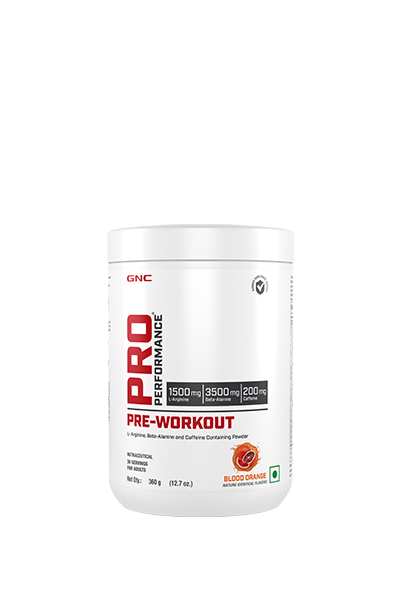
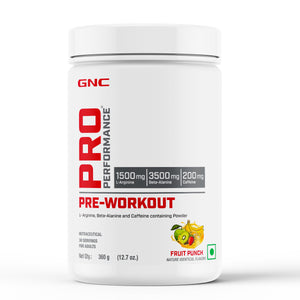
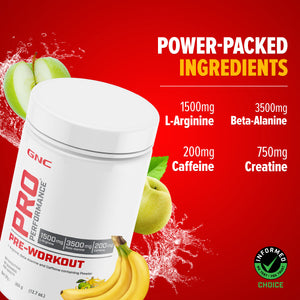
Then check what comes with the creatine. Caffeine in a pre-workout or blended product can keep you awake.
So, does creatine keep you awake? Not by itself.
Plain creatine monohydrate is not caffeine. But Mayo Clinic lists insomnia among the side effects of too much caffeine.
That makes the rest of your shelf worth a look: a pre-workout, an energy drink or a flavoured blend taken in the same week as the creatine.
Training in the evening? The pre-workout timing guide suggests avoiding pre-workout after 4-5 PM if sleep is easily disrupted.
How do you verify creatine is genuine and safe, and what does GNC's creatine contain?
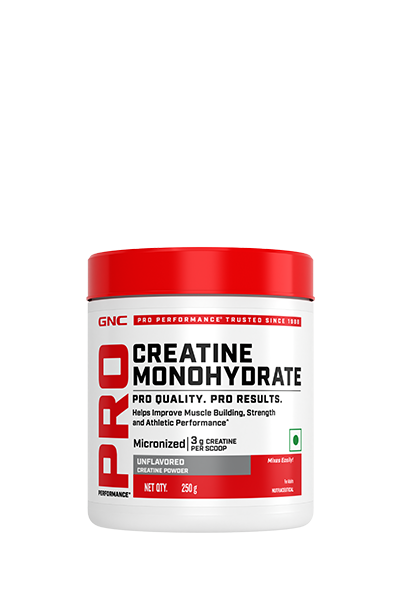
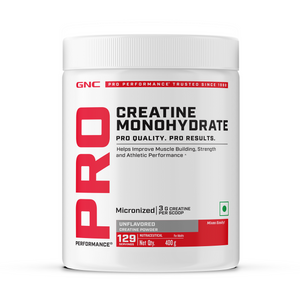
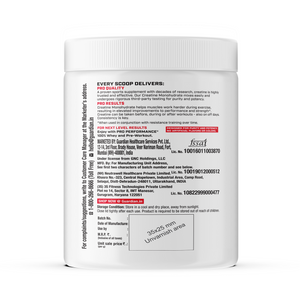
Read the ingredient list, then look for an independent test mark. The unflavoured GNC Pro Performance Creatine Monohydrate lists no stimulant, and its product page shows Informed Choice certification.
It lists two ingredients: creatine monohydrate and fructooligosaccharides.
Fructooligosaccharides are a type of plant fibre, and neither ingredient is a stimulant.
The flavoured versions add flavours, sweeteners and acidity regulators to that base. None of the flavours lists caffeine among its ingredients on the product page, which is the detail that matters most for sleep.
So a plain creatine powder like this one brings creatine and nothing that acts like a stimulant, which makes it easier to rule in or out if your sleep changes.
Informed Choice is one of the independent test marks covered in the FAQ below.
The creatine itself is not a sleep aid, and it is not meant to be one.
The tub sizes and flavours sit in the creatine range.
The Bottom Line
Creatine is not a known sleep disruptor. The 2025 human trial that tracked sleep found no lost sleep time, and the men in it rated their sleep quality higher on creatine than on placebo.
Scientists study creatine as a possible buffer for short sleep, not a replacement for sleep, and even there the effects were partial and the studies were small.
So if your nights changed when the tub arrived, audit the rest of your day first: caffeine, training time, screens and routine.
If you have a medical condition or take regular medication, check with your doctor before starting any supplement.
Frequently Asked Questions
Q. Does creatine make you sleepy during the day?
A. Nothing in the trials points that way. The 2025 human trial found no change in total sleep time, and the rat study found less sleep, not more. If you feel drowsy after starting it, look at training load, meals and sleep debt first.
Q. Should you take creatine to help you sleep?
A. No. Creatine is not a sleep aid, and one small trial of 14 men is too little to base a nightly habit on. If sleep is the problem, start with our guide on why sleep matters for muscle recovery.
Q. Will creatine taken at night keep you awake?
A. Creatine is not a stimulant, so no study gives a reason to expect that it would. For how creatine works and what to expect in your first weeks, see our complete creatine guide.
Q. How can you check a creatine tub is the real thing?
A. Buy from the brand or an authorised seller, because a test mark can't prove the tub in your hand is real. A mark such as Informed Choice, NSF Certified for Sport or USP Verified shows an outside lab screened the product for banned substances. Our guide to supplement test marks in India explains what each one checks.
Q. Does anyone test supplements before they're sold?
A. Independent programmes such as Informed Choice, NSF and USP test supplements voluntarily. Regulators generally don't pre-approve them: the US FDA, for example, says it does not have the authority to approve dietary supplements for safety and effectiveness before they are sold. That gap is one reason these programmes exist. ```