














Quick Answer: No, a creatine headache isn't a side effect that trials record, though individual reactions can't be ruled out. The International Society of Sports Nutrition's 2017 safety review names weight gain as the only consistent one. If your head aches after starting creatine, check likelier triggers first: too little water, extra caffeine, short sleep or a 20 g loading dose.
It's day three of a new creatine habit. By evening there is a dull band of pressure behind your eyes, and the tub on the shelf suddenly looks suspicious. Should it go in the bin?
You're not the only one asking.
The creatine headache worry comes up again and again in forums and comment threads, usually from people in their first week on the powder. The trials tell a different story, because headache does not appear in the two big creatine safety reviews at all.
What does change in that first week is everything around the scoop: more sweat, more caffeine, less sleep and, if you're loading, a far bigger dose than you'll take later.
Before you blame the powder, make sure the tub is genuine and safe.
After that, a short checklist narrows down the real trigger.
Is a creatine headache a real side effect?
Trials don't list headache as a creatine side effect. The International Society of Sports Nutrition's 2017 position stand, led by Richard Kreider, names weight gain as the only consistently reported side effect.
Headache does not appear in it.
Jose Antonio's 2021 review of common creatine questions does not mention headache either.
A side effect is caused by the supplement; a coincidence happens alongside it.
The LiveWell explainer on how creatine works covers the basics. Here's the evidence.
| Trigger | What the evidence shows | Source |
|---|---|---|
| Creatine itself | Not listed as a side effect | ISSN 2017, Antonio 2021 |
| Too little water | Headache is a sign of mild to moderate dehydration | MedlinePlus |
| Too much caffeine | Can cause headaches and dizziness | MedlinePlus |
| Short sleep, missed meals | Make tension headaches more likely | MedlinePlus |
| 20 g loading dose | No headache link reported; adds 1–3 kg in 5–7 days | Antonio 2021 |
Why do I get a headache after taking creatine?
Usually because something else changed that week: harder training, less water, more caffeine or less sleep. Each is a known headache trigger on its own.
So why does creatine give you a headache?
It may not be the creatine at all. Everything around the scoop shifts that week too.
Your creatine-headache checklist:
- Water. Are you drinking more on training days, especially in the heat?
- Caffeine. Do the pre-workout, extra chai and coffee add up to more than usual?
- Sleep. Did your bedtime slip when training got harder?
- Meals. Are you training on an empty stomach?
- Dose. Did you start with a 20 g loading phase?
Then change one thing at a time.
Drop to a normal daily dose or pause creatine for a few days, and see whether the headache eases.
The most common type of headache is a tension headache, which MedlinePlus traces to tight muscles in the neck, shoulders, scalp and jaw. Short sleep and missed meals make it more likely.
Does creatine dehydrate you enough to cause a headache?
The evidence says no. In a season-long study of 72 US college American football players training in hot, humid conditions, creatine users had fewer cases of heat illness and dehydration.
The Antonio review gives the detail: 38 players took creatine and 34 took a placebo, a sports drink without creatine, in a season averaging 27.3°C and 54% humidity.
The players chose their own group, so the study was not randomised.
The Kreider position stand lands in the same place: controlled studies show creatine does not increase dehydration.
So where does the worry come from?
Surveys that reported dehydration did not control for dose or for other supplements, the Antonio review notes.
Dehydration itself is still a headache trigger, though.
MedlinePlus lists headache among the signs of mild to moderate dehydration, and advises drinking more when it's hot or you're exercising.
In an Indian summer, water is the first check.
Pairing creatine with electrolytes gets its own LiveWell post.
Can creatine cause headaches and dizziness, or is it caffeine?
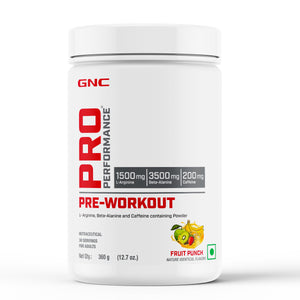
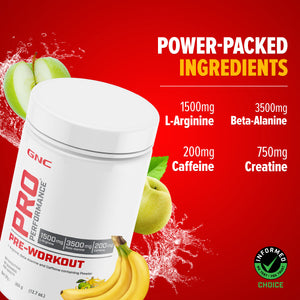
Caffeine is the likelier cause of both. If your creatine comes inside a pre-workout or blend, read the label: MedlinePlus lists headaches and dizziness among the effects of too much caffeine.
Feeling dizzy on creatine as well as achy?
Count your caffeine first.
The Mayo Clinic's guide to caffeine says up to 400 mg a day seems safe for most adults, and it lists headache and insomnia among the signs that you may need to cut back.
The effects of caffeine last four to six hours, MedlinePlus notes, so a pre-workout before an evening session can also steal sleep, which brings the third check into play.
The opposite catches people out too.
Suddenly cutting caffeine can bring on headaches for a few days, the same Mayo Clinic guide explains, so dropping your usual chai to start a clean routine counts as a change.
Plain creatine monohydrate contains no caffeine at all.
For stimulant timing, the LiveWell guide on when to take pre-workout covers the details.
Can creatine cause headaches when you first start taking it?
Trials don't record headache as a creatine side effect, and neither major review links loading to headaches. But at 20 g a day, loading is four times a 5 g daily dose and adds 1–3 kg of water weight in a week, so it's the easiest variable to drop.
A loading phase means taking a large dose, split through the day, for 5–7 days so your muscles' creatine stores fill faster.
The first week is also when training, meals and sleep shift most. That's a lot of change to pin on one scoop.
The 2021 review puts the loading gain down mostly to water the body holds on to.
Heavier on the scale, yes. Dehydrated, no.
Loading is optional, too.
The 2017 position stand notes a smaller daily dose without loading also raises muscle creatine, only more gradually.
If your headache showed up during loading, a normal daily dose is a simple test. How much you need is its own question; the LiveWell monthly creatine guide works it out.
How do you verify creatine is genuine and safe, and does GNC's creatine contain caffeine?
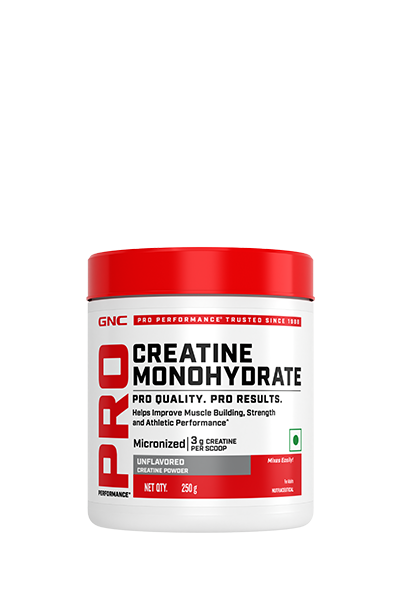
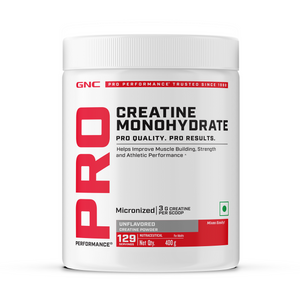
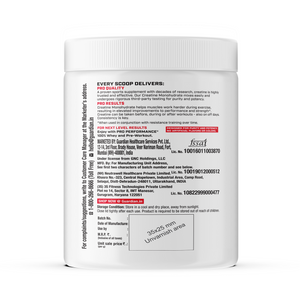
Buy from GNC's own store or an authorised seller, look for an independent test mark, then read the label for stimulants. GNC Pro Performance Creatine Monohydrate is listed on its product page as Informed Choice Certified, and none of its flavours lists caffeine or any other stimulant.
That lets you test creatine on its own.
The unflavoured version keeps the label shortest: creatine monohydrate plus fructooligosaccharides, a type of fibre. The flavoured versions add sweeteners and acidity regulators, and most add colours, but still no caffeine.
If a serving mixed into plain water still comes with a headache, stimulants are off the list, and the search moves to water, sleep and meals.
At 3 g, a serving is far below a 20 g loading day, so the dose check stays simple.
The Informed Choice mark covers banned-substance screening only. It can't show a tub is real or judge your health, so where you buy matters.
You'll find the full range on the creatine collection page.
The Bottom Line
Creatine itself is not a recorded cause of headaches.
The two main safety reviews do not list it, and the ISSN position stand names weight gain as the one consistent side effect.
What does cause headaches is familiar: too little water, too much caffeine, short sleep and skipped meals. A sudden jump in dose is worth ruling out too, even though neither review links it to headaches.
Most of those triggers are easy to test at home, one at a time.
So run the checklist like a small experiment, and give each change a few days before you judge it.
Keep a simple headache diary as you go. MedlinePlus suggests noting when the pain began, what you ate and drank over the previous 24 hours, and how much you slept.
Anyone with a medical condition, or who lives with migraines or chronic headaches, should consult a doctor about caffeine and creatine before changing either.
The LiveWell complete creatine guide covers every side effect in full.
Frequently Asked Questions
Can creatine help with headaches or migraines?
Not on current evidence. A 2008 pilot study by Sakellaris and colleagues recorded fewer headaches in 39 children aged 1–18 recovering from brain injury. It was small and open-label, meaning everyone knew who got creatine, and used a dose far above gym use, so it cannot guide anyone's routine.
Do headaches and nausea on creatine go together?
Trial data doesn't show creatine raising nausea. In a 2005 trial by Groeneveld and colleagues, 175 adults with ALS, a nerve disease, took 10 g a day or a placebo for about ten months. Nausea was reported by 23% on creatine and 24% on placebo, so if both appear together, check fluids, food and caffeine first.
When is a headache on creatine a reason to see a doctor?
Get medical help right away for a sudden, severe headache, one after a head injury, or one with fever and a stiff neck, confusion, slurred speech or vision changes. MedlinePlus lists these as warning signs that need attention straight away, whatever supplement you take.
What does a test mark on a creatine tub tell you?
An outside lab tested that product; Informed Choice, for example, screens for banned substances. Other common marks are NSF Certified for Sport and USP Verified. A mark speaks for the product, not the tub in your hand, so buy from GNC's own store or an authorised seller. The LiveWell guide to supplement test marks in India explains each mark.
Does anyone check supplements before they are sold?
Not everywhere. In the US, the FDA states it has no authority to approve dietary supplements for safety before they are sold to the public. That gap is why independent testing of named products exists, and why a test mark on the tub is useful.