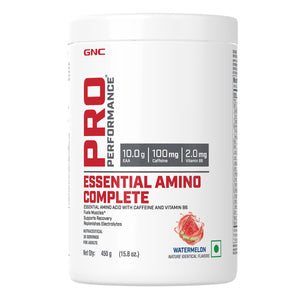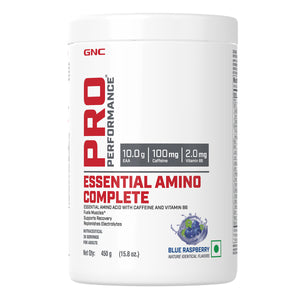




















If you're into fitness, muscle-building, or those who do intense workouts, you've probably heard of BCAAs. BCAAs are also known as Branched-Chain Amino Acids. BCAAs are among the most popular supplements used by gym-goers and athletes. But what exactly are they, and why do they matter so much? Whether you’re lifting weights to bulk up, hitting HIIT sessions to lean out, or simply trying to boost your performance and recovery, BCAAs can play an essential role in your fitness journey.
Muscle growth doesn’t just depend on training; it also requires optimal nutrition. BCAAs are unique among amino acids because they’re metabolized directly in the muscles, making them fast-acting and highly effective. With roles in muscle protein synthesis, recovery, and fatigue reduction, they are often included in intra-workout and post-workout supplements. This blog will break down what BCAAs are, why they're essential for muscle development, and how they support gym-goers, bodybuilders, and athletes alike, from boosting recovery to preventing muscle loss.
What are BCAAs?
BCAAs, or Branched-Chain Amino Acids, refer to three essential amino acids: leucine, isoleucine, and valine. These are classified as "essential" because the body cannot produce them on its own; they must be obtained through diet or supplements. Unlike other amino acids that are metabolized in the liver, BCAAs are broken down in skeletal muscle, making them more readily available as fuel during intense physical activity.
Leucine is the most prominent branched-chain amino acid (BCAA), known for its key role in stimulating muscle protein synthesis, the process by which the body builds new muscle. Isoleucine supports energy production and glucose uptake into cells, while valine aids in tolerance and focus. Together, these three amino acids work to reduce muscle pain, improve recovery, and boost performance.
BCAAs are typically found in protein-rich foods, such as meat, eggs, and dairy products; however, supplementation ensures optimal levels, especially for athletes and individuals involved in regular physical activity.
They are usually consumed before, during, or after workouts in powder or capsule form. Their rapid absorption and direct impact on muscle metabolism make BCAAs a preferred choice for individuals seeking to build muscle, recover more quickly, and reduce fatigue.
BCAA Benefits for Muscle
1. Stimulates muscle protein synthesis for growth and repair
BCAAs, especially leucine, activate the mTOR pathway, which triggers muscle protein synthesis. It helps build new muscle tissue and repair micro tears caused by training.
2. Reduces muscle soreness after intense exercise
By lowering inflammation and muscle breakdown, BCAAs help reduce delayed onset muscle soreness (DOMS). This allows for quicker recovery and less discomfort post-workout.
3. Decreases exercise-induced muscle damage
BCAAs limit the extent of muscle fiber damage during high-intensity or prolonged workouts. This helps muscle tissue and supports faster repair.
4. Prevents muscle catabolism, especially during calorie deficits
During dieting or fasting, BCAAs provide fuel to muscles, reducing protein breakdown. This helps preserve lean mass even when calorie intake is low.
5. Enhances endurance by reducing tryptophan-induced fatigue
BCAAs compete with tryptophan for transport into the brain, lowering serotonin production. This delays fatigue and allows for longer, more intense sessions.
6. Improves workout performance and training intensity
By fueling muscles and reducing fatigue, BCAAs help maintain strength, focus, and output. You can train harder for a longer duration.
7. Supports lean muscle retention during cutting phases
BCAAs preserve muscle mass while you burn fat during a cut. This ensures that you lose fat, not muscle, and maintain a lean and defined physique.
5 Importance of BCAAs in Bodybuilding
1. Promotes an anabolic muscle-building environment
BCAAs will create anabolic signals that stimulate muscle growth and protein synthesis. In turn, this is an optimal environment for hypertrophy and strength growth.
2. Allows for quicker post-workout recovery
BCAAs charge up levels of amino acids and repair muscle fibers, and therefore speed up recovery. This means less time off between workouts and a higher training frequency.
3. Prevents muscle-wasting due to prolonged training or dieting
BCAAs protect muscle tissue during training or dieting, where energy balance is restricted. This will help you preserve clearly defined muscle mass even with high levels of caloric restriction.
4. Improves strength and power output
BCAAs provide muscular energy, which helps decrease fatigue while training, allowing for heavier lifts each week. Over a prolonged period of time, this will therefore lead to improved performance and progressive overload.
5. Helps maintain a steady level of energy during resistance training
BCAAs help maintain energy levels by providing a fuel source, as well as reducing mental fatigue. This means you will experience fewer performance drop-offs during your sets, especially during an extended period of workout.
BCAAs for Gym Goers
1. Ideal for those in bulking or cutting phases.
BCAAs protect muscle during a cut and support growth in bulk.
They fit into both goals without adding extra calories.
2. Easily consumed intra- or post-workout.
Mix with water and sip — no blender or shaker is needed.
Quick absorption means faster muscle support.
3. Helps prevent overtraining symptoms.
Regular intake reduces muscle breakdown and central fatigue.
You stay strong, even in high-volume training blocks.
4. Great for fasted training sessions.
Taking BCAAs before fasted workouts preserves muscle mass.
It prevents catabolism when training without food.
5. Maintains stable energy levels during long gym sessions.
They delay fatigue and maintain focus through intense sets.
Perfect for leg day or high-rep workouts.
Essential Amino Acids for Athletes
1. Promote faster muscle recovery and adaptation.
EAAs help rebuild muscle faster after intense training.
This supports athletic progression and reduces soreness.
2. Prevent muscle wasting in endurance sports.
Long runs or rides can cause muscle tissue to break down.
EAAs protect muscle, keeping athletes lean and strong.
3. Improve nutrient absorption and metabolism.
Amino acids aid digestion and cellular repair.
Better absorption leads to improved performance and recovery.
4. Support immune function under physical stress.
Heavy training suppresses immunity — EAAs help counter that.
They help athletes stay healthier despite their demanding schedules.
5. Enhance strength, endurance, and performance.
EAAs build, repair, and energize working muscles.
Essential for anyone chasing peak athletic output.
Muscle Recovery Supplements
1. BCAAs accelerate recovery by replenishing amino acid stores.
They replenish lost amino acids post-workout, accelerating recovery.
This helps the body repair and rebuild muscle tissue efficiently.
2. Reduce muscle soreness (DOMS) after strength training.
BCAAs reduce inflammation and soreness after heavy lifts.
You bounce back faster and feel less stiff the next day.
3. Help repair muscle microtears faster.
Strength training causes micro-damage to muscle fibers.
BCAAs support quicker repair, minimizing downtime.
4. Improve readiness for the next training session.
Faster recovery = better performance in your next workout.
BCAAs help you train consistently without burnout.
5. Decrease muscle fatigue post-exercise.
They delay the onset of fatigue and help energy bounce back.
Less exhaustion, more stamina between sessions.
Conclusion
BCAA supplements are notable as they are a staple supplement in the field of fitness and muscle growth. They provide many different benefits, including protein synthesis (creating and repairing muscle), reducing fatigue, and improving recovery time.
BCAAs boost performance for athletes, bodybuilders, or anyone who works out in the gym. They are an essential amino acid that provides your muscles with the raw materials required for growth and improved recovery time.
BCAA supplementation can lead to noticeable benefits in performance and results if you train regularly, especially in high-intensity or resistance training. Regardless of whether bulking, cutting, or maintaining, having BCAAs as part of your nutrition plan can prevent you from wasting your gains and help you to achieve long-term goals.