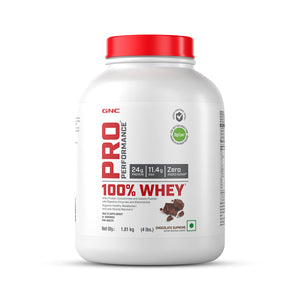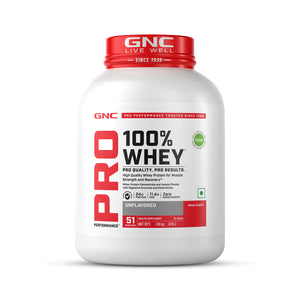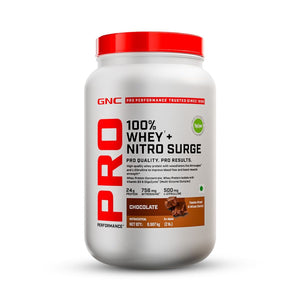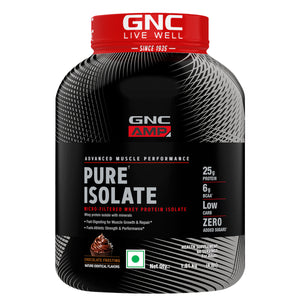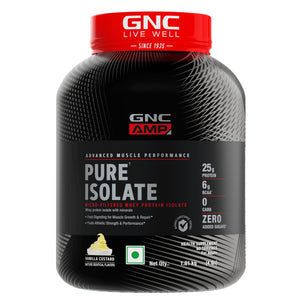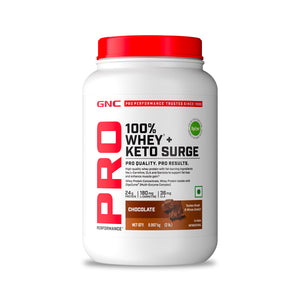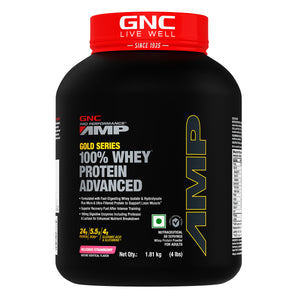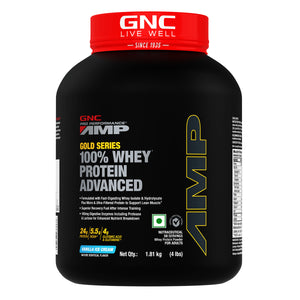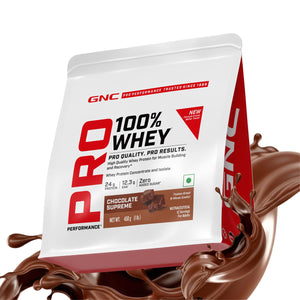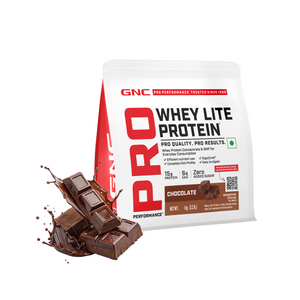


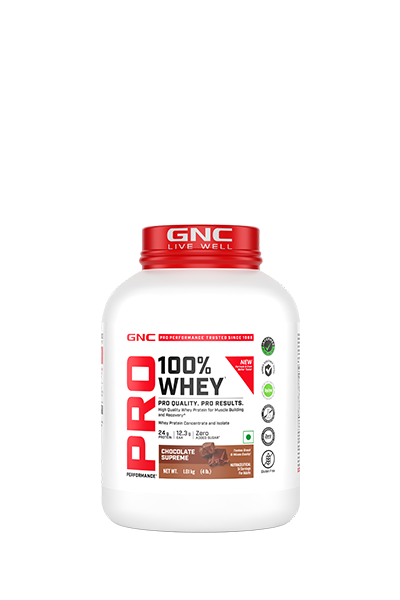
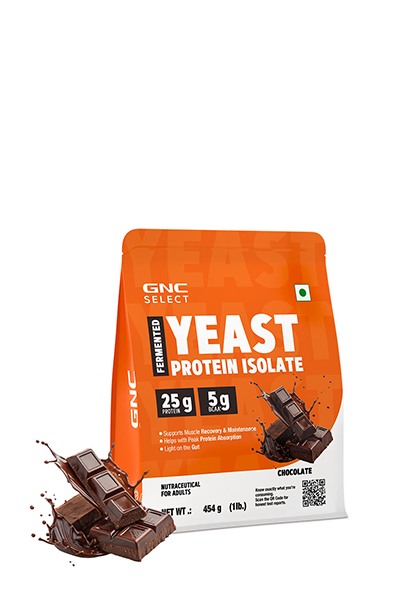










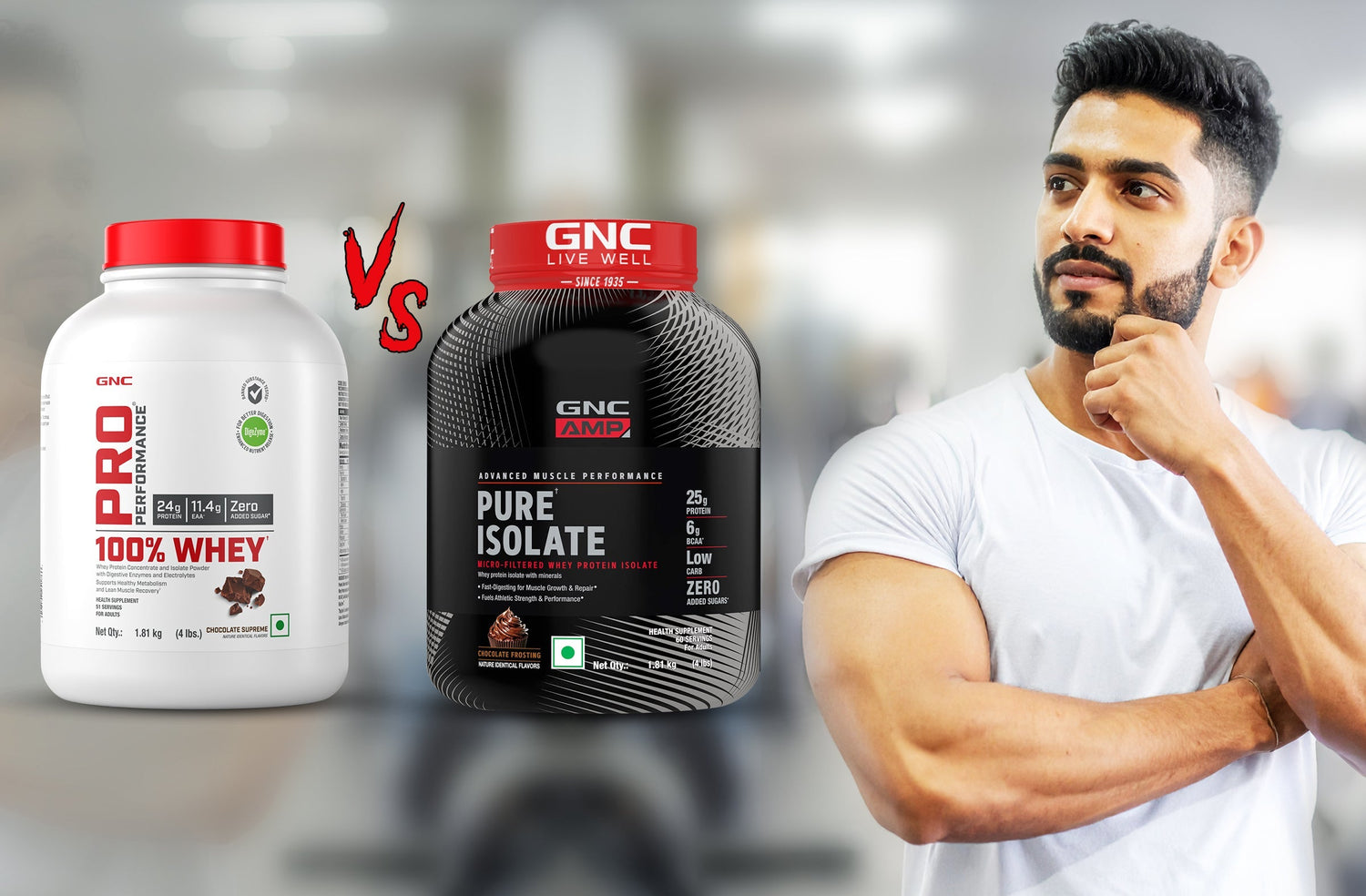
If you have ever wondered what the difference is between 'whey concentrate' and 'whey isolate' while looking at the different kinds of protein powders, you are not the only one. With countless protein powders available on the market today, it's easy to become confused when faced with labels that claim to be isolate, concentrate, BCAAs, and more.
Whether you're trying to build muscle, lose weight, or meet your daily nutritional needs, choosing between whey protein and isolate will impact your results. Both alternatives offer high-grade protein but differ in purity, absorption rate, and suitability for different fitness objectives.
This blog will discuss everything related to whey vs. whey isolate, including what each term means, their benefits, key differences, and how to choose the ideal option for your body and lifestyle. Additionally, we’ll also answer a common question such as: Is whey isolate better than regular whey? And which one - whey isolate or concentrate is more effective for fat loss.
So let's clear up everything and remove the mystery regarding the confusion once and for all.
About Whey Concentrate and Whey Isolate
Whey concentrate is a complete, premium protein derived from milk during the cheese-making process. Due to its rapid absorption and abundance of all nine essential amino acids, it is a favorite among athletes and fitness enthusiasts. Whey supports overall health, aids in muscle growth, and promotes recovery.
Conversely, whey isolate is a more refined form of whey protein . Additional processing eliminates fat, lactose, and carbohydrates, resulting in a protein composition of 90% or greater. This makes it the perfect option for those seeking a leaner supplement with fewer calories and virtually no lactose.
What Makes Whey Concentrate Different from Whey Isolate
The composition and processing are crucial. Although they both originate from milk, their processing has a significant effect:
Typically, 70–80% of whey concentrate is protein, with the remaining portion consisting of lipids and carbs, including lactose. Whey isolate has a 90–95% protein concentration after being more thoroughly filtered to exclude most lipids, carbohydrates, and lactose.
As a result, the primary difference between whey concentrate and whey isolate lies in digestion and purity. Because whey isolate is isolated, it often absorbs more quickly and has fewer calories. It is popular among lactose-intolerant individuals, those trying to lose weight, and athletes seeking to recover quickly.
Conversely, beginners or those on a tight budget might benefit more from concentration. Although it has a few extra calories, it has a high nutritional value.
This whey isolate differential becomes even more significant when deciding between the two for performance, fat reduction, or everyday nutrition.
Advantages of Whey Concentrate vs. Isolate
Whey isolate frequently has the advantage over whey concentrate in terms of fat loss. This is the reason:
1. Higher Protein Purity
Whey isolate is more effective for building lean muscle and repairing muscles with fewer calories because it contains more protein per serving.
2. Lower in Fats and Carbs
The refined filtering process removes excess fat and carbohydrates for individuals following low-carb or calorie-restricted diets.
3. Comfortable for the Stomach
For those who are lactose intolerant, isolate is better because most of the lactose has been eliminated.
4. Quicker Absorption
Whey isolate helps muscles recover more quickly after exercise, as it absorbs and digests swiftly.
Whey concentrate isn't a bad choice. It’s an affordable way to get the protein you need and is rich in minerals that support the immune system.
Which Is Better, Whey or Whey Protein Isolate?
Comparing whey protein and isolate can be daunting when selecting a protein supplement. Although both are excellent sources of high-quality protein, several criteria will determine which is healthier for you.
1. Content of Protein
The most noticeable distinction between whey isolates is their protein content. Whey concentrate typically comprises about 70–80% protein, whereas whey isolate usually contains 90–95%. This implies that using isolated results in fewer calories from non-protein sources and more protein per scoop.
2. Content of Lactose
Isolate is ideal for lactose-sensitive or lactose-intolerant individuals because it undergoes additional processing to remove lactose. It might also be better if you've experienced gasiness or bloating after a shake.
3. Content of Fat and Carbohydrates
Another important consideration is the macronutrient makeup of whey protein versus whey isolate. Isolate's much lower fat and carbohydrate content is beneficial for people on stringent diets or those in a reducing phase. This is particularly helpful when comparing whey isolate and concentrate for fat loss.
4. Rate of Digestion
Both digest rapidly, but it tends to be absorbed more quickly because it is purified. This can be beneficial when your muscles are craving nourishment after a workout.
5. Cost
The advantage of concentrating is that it is typically less expensive. Concentrate offers good value if you don't have any dietary limitations and don't mind consuming a few additional calories.
6. Retention of Nutrients
Whey concentrate retains more beneficial immune-boosting compounds, such as immunoglobulins, that can be lost during isolate processing. Concentration also has hidden benefits for overall wellness.
Should I Take Whey Isolate or Concentrate?
If you're just starting your fitness journey, you may wonder whether to begin with whey isolate or concentrate.
The good news is that both work, but which one you choose will rely on your objectives and level of sensitivity.
For beginners, whey concentrate is frequently the preferred option.
It is cost-effective, balanced in terms of nutrition, and excellent for laying a solid foundation.
It has a little more fat and carbohydrates, making it suitable for energy if you're just beginning and need the extra fuel.
Whey isolate, however, may be a better choice if you're lactose intolerant, controlling your caloric intake, or trying to lose fat while gaining lean muscle. It provides more protein with fewer frills and is kinder to the stomach.
In conclusion, if you're just starting, on a tight budget, and in good health, go for concentrate. If you're lactose intolerant or attempting to maintain extreme leanness right away, go with isolate.
Frequently Asked Questions (FAQs)
1. Which is better- whey protein isolate or concentrate?
Whey protein isolate is generally considered better than whey protein concentrate for those seeking a higher protein percentage with lower fat and lactose content, or for individuals with lactose intolerance. However, whey protein concentrate can be a more cost-effective option and may retain more of the natural nutrients and compounds found in whey.
2. Should I take whey isolate or concentrate as a beginner?
Whey protein concentrate is generally a good starting point. It's more affordable and still provides a good amount of protein with essential nutrients. If you have lactose intolerance or specific dietary restrictions (like a low-carb or low-fat diet), then whey protein isolate might be a better choice due to its lower lactose and fat content.
3. Should I buy isolate or concentrate?
Whey protein isolate and concentrate both offer high-quality protein, but they differ in processing and nutritional content. Isolate undergoes more processing, resulting in a higher protein percentage, lower fat, and lower lactose content, making it ideal for those with lactose intolerance or those seeking a very lean protein source.
4. Is whey isolate better for bulking?
While whey protein isolate can be a good choice for bulking, it's not necessarily "better" than whey protein concentrate for that purpose. Both can be effective for muscle growth and recovery, but the best choice depends on individual needs and preferences. Isolate is often favored for its lower fat and carbohydrate content, making it a good option for those watching their calorie intake or managing lactose intolerance.
Popular Search Terms
Protein Powders For Beginners | Do Protein Shakes Make You Fat? | Top 8 Benefits Of Consuming Fish Oil Supplements | Is Apple Cider Vinegar Good For Weight Loss? | Essential Haircare Products For Women | Benefits Of Multivitamins For Our Body | Best Biotin Gummies For Hair Growth | Top 5 Foods That Contain Creatine | How Fat Burners Help You Lose Weight? | Fish Oil Benefits For Men You Should Know | Weight Gain Exercises | How To Choose A Protein Powder? | 7 Hidden Benefits of Glutathione | Fitness Fraud in Noida | Creatine: Everything You Need to Know | Why Sleep Is Important For Muscle Recovery? | Whey Protein 101: The Ultimate Beginner's Guide, Benefits, Types, and How to Use It | Plant-Based Protein Powders: What Are They and Are They Right for You? | Fat Burner vs Pre-Workout: What’s the Difference?, Comparison, Which One to Choose? And more | Build Muscle, Burn Fat: The Double Power of GNC 100% Whey + Keto Surge | The Best Gym Workout Plan For Gaining Muscle | Why Athletes Are Combining Creatine with Electrolytes | Plant Protein Vs Whey Protein: Which Is the Best? | GNC Protein Wafer Bar: Your Anytime, Anywhere Snacking Partner